How Does Iraq's Constitution Define Baghdad-Erbil Relations?
KRG's Dindar Zebari says the Kurdistan Region's constitutional status derives from Iraq's Constitution, citing UN resolutions and human-rights obligations.
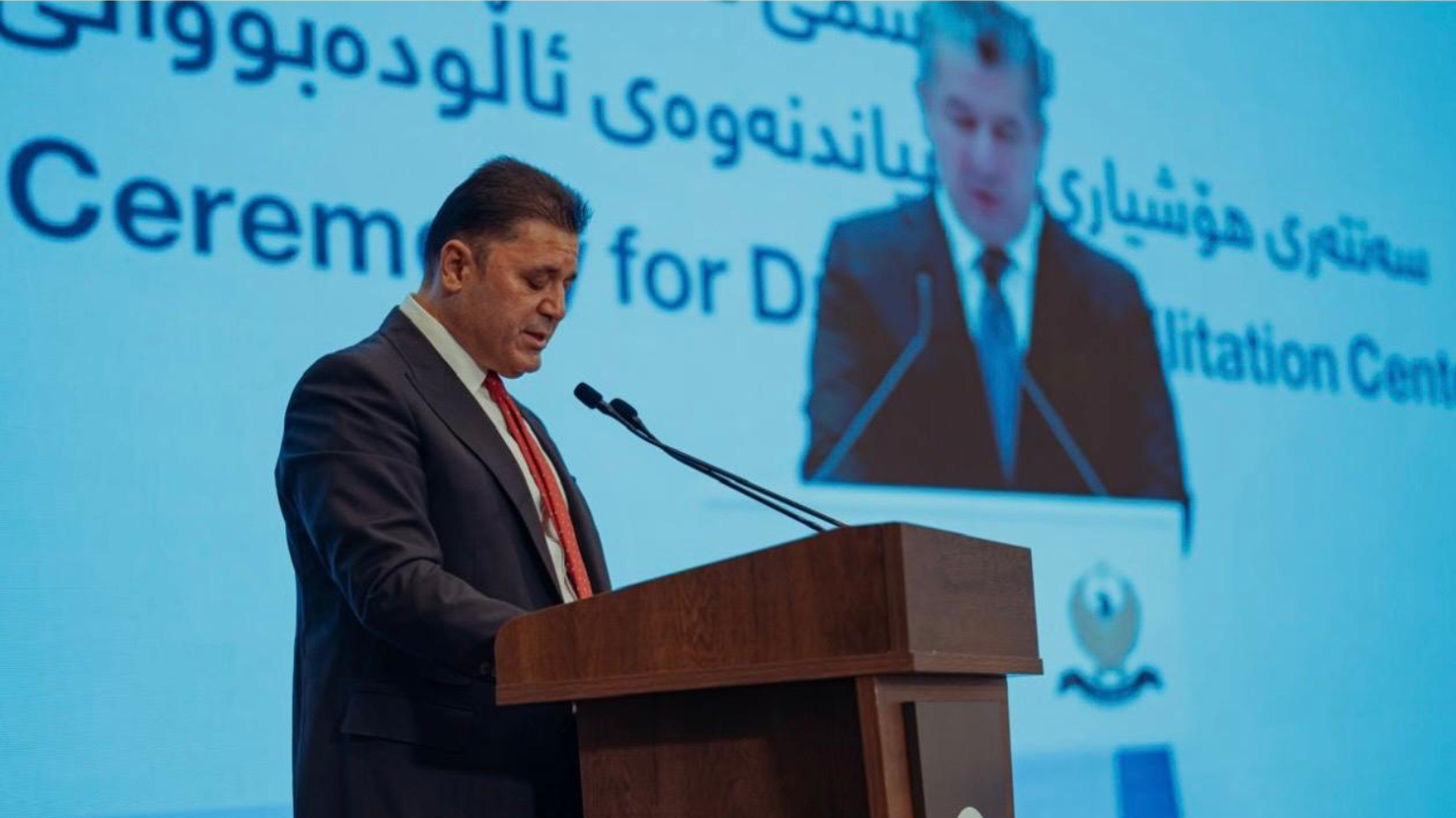
ERBIL (Kurdistan24) - Dr. Dindar Zebari, Kurdistan Regional Government (KRG) Coordinator for International Advocacy, stated that the constitutional status of the Kurdistan Region does not depend on the presence or support of any foreign power. Its legal basis, he said, derives from the Constitution of Iraq, which establishes the federal system and expressly recognizes the Region and its existing authorities as a federal region.
Zebari noted that Articles 115, 116, 117, 120, and 121 provide the constitutional framework for the Kurdistan Region's powers and its relationship with the federal authorities.
Article 110, meanwhile, defines the exclusive powers of the Federal Government of Iraq, he said. These include foreign policy, diplomatic representation, international treaties and agreements, national security policy, and the armed forces.
Zebari also pointed to the international dimension of this constitutional framework. United Nations Security Council resolutions and statements, he noted, have emphasized respect for Iraq's Constitution and the need to address outstanding issues between Baghdad and Erbil through dialogue and constitutional mechanisms.
From the perspective of international obligations and human rights, Zebari noted that Iraq's commitments under international human-rights treaties and UN mechanisms provide an additional framework for cooperation between federal and regional institutions. The Universal Periodic Review (UPR) is an important mechanism for monitoring Iraq's progress in fulfilling these commitments, he said.
He stressed that international recommendations should move beyond reports and periodic reviews. They should be translated into practical action plans, implementation measures, and measurable follow-up, he said, which requires continued coordination between Baghdad and Erbil, as well as constructive cooperation with the UN and international institutions.
Zebari concluded that the relationship between Baghdad and Erbil is a constitutional federal relationship based on the distribution of powers, coordination, cooperation, and respect for the Constitution and Iraq's international obligations.
He emphasized that effective implementation of this framework is essential to strengthening institutions, protecting rights, and advancing compliance with international commitments.