Kurdistan Region Expands Breast Cancer Screening
With October recognized globally as Breast Cancer Awareness Month, the Kurdistan Region is expanding early detection and screening efforts.
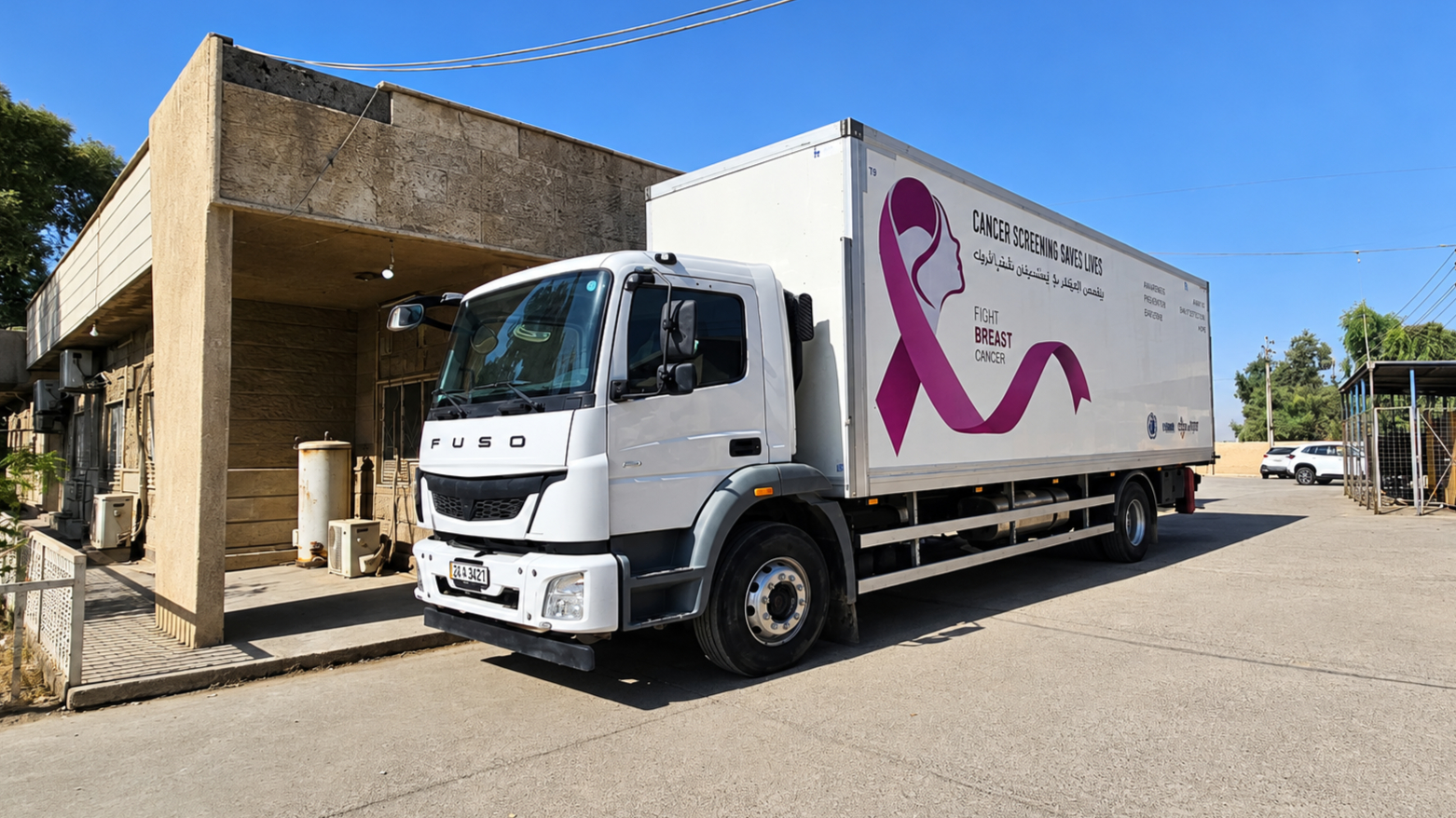
ERBIL (Kurdistan24) - As October marks Breast Cancer Awareness Month worldwide, health authorities in the Kurdistan Region are continuing efforts to raise awareness, expand screening services, and encourage women to detect breast cancer at an early stage, when treatment outcomes can be significantly improved.
Chenar Sinjawi, head of the Cancer Control Department at the Kurdistan Regional Government’s Ministry of Health, told Kurdistan24 on Wednesday, that cancer rates are increasing worldwide and that the Kurdistan Region is continuing its efforts to prevent and detect the disease.
“Cancer is increasing worldwide, and in the Kurdistan Region, efforts and measures to prevent the disease are continuing,” Sinjawi said.
Sinjawi said specialized breast cancer screening units are available across all four provinces of the Kurdistan Region, as well as in most towns and independent administrations, where women continue to visit the centers for examinations.
In Erbil, specialized services are available at both Rizgary and Nazdar Bamerni hospitals.
He also said the Erbil Directorate of Health has conducted field screening campaigns for women through mobile teams in recent years.
Efforts are continuing to give greater importance to the process and expand mobile screening activities in the future, Sinjawi said.
Sinjawi emphasized the importance of early detection, saying breast cancer can be completely treated when identified at an early stage.
“Breast cancer is the only type of cancer where, if it is detected at an early stage, the patient can recover completely at a rate of 100 percent. That is why we always use the slogan: ‘Do not fear breast cancer; fear late detection,’” he said.
He urged women who have reached the age of 40 to undergo breast cancer screening as soon as possible to remain informed about their health status.
According to Sinjawi, breast cancer accounts for 23 percent of all cancer cases across Iraq, including the Kurdistan Region.
He also said the development of medical centers in the Kurdistan Region has attracted a significant number of patients from other Iraqi cities for treatment.
Patients from Mosul alone account for 30 percent of visitors, he said.
Rewan Hussein, a specialist Breast Surgeon, said available data indicates that globally, one in every eight women faces a risk of developing breast cancer.
Hussein divided the risk factors into two main categories.
Factors that cannot be changed include age, gender, family history, a person’s previous health history, and the timing of menstruation.
The risk increases with age, while women face a significantly higher risk than men because of biological factors. A family history of breast cancer can also increase risk, as can having previously developed the disease.
Hussein also identified early onset of menstruation or late cessation of menstruation as factors associated with increased risk.
Other risk factors, however, can be addressed through changes in lifestyle, including excess weight and obesity, excessive consumption of fast food and carbonated drinks, smoking cigarettes and hookah, alcohol consumption, prolonged use of hormonal treatments, and continuous exposure to harmful radiation.
Hussein said following healthy lifestyle recommendations can reduce the risk of developing breast cancer by between 40 and 50 percent.
He recommended regular physical activity and exercise, maintaining a healthy weight, avoiding smoking in all forms, encouraging mothers to breastfeed naturally, and following a healthy diet.
A healthy diet should include larger amounts of fresh vegetables and fruits while reducing consumption of fatty and unhealthy foods.
For women across the Kurdistan Region, health officials say expanding access to screening, raising awareness, and detecting the disease early remain central to reducing the impact of breast cancer.