How Iraq Plans to Control Arms After Coalition Withdrawal
Iraqi Prime Minister Ali al-Zaidi said Oct. 1 begins a serious phase to place arms under state control, with air defense purchases and a Popular Mobilization law.
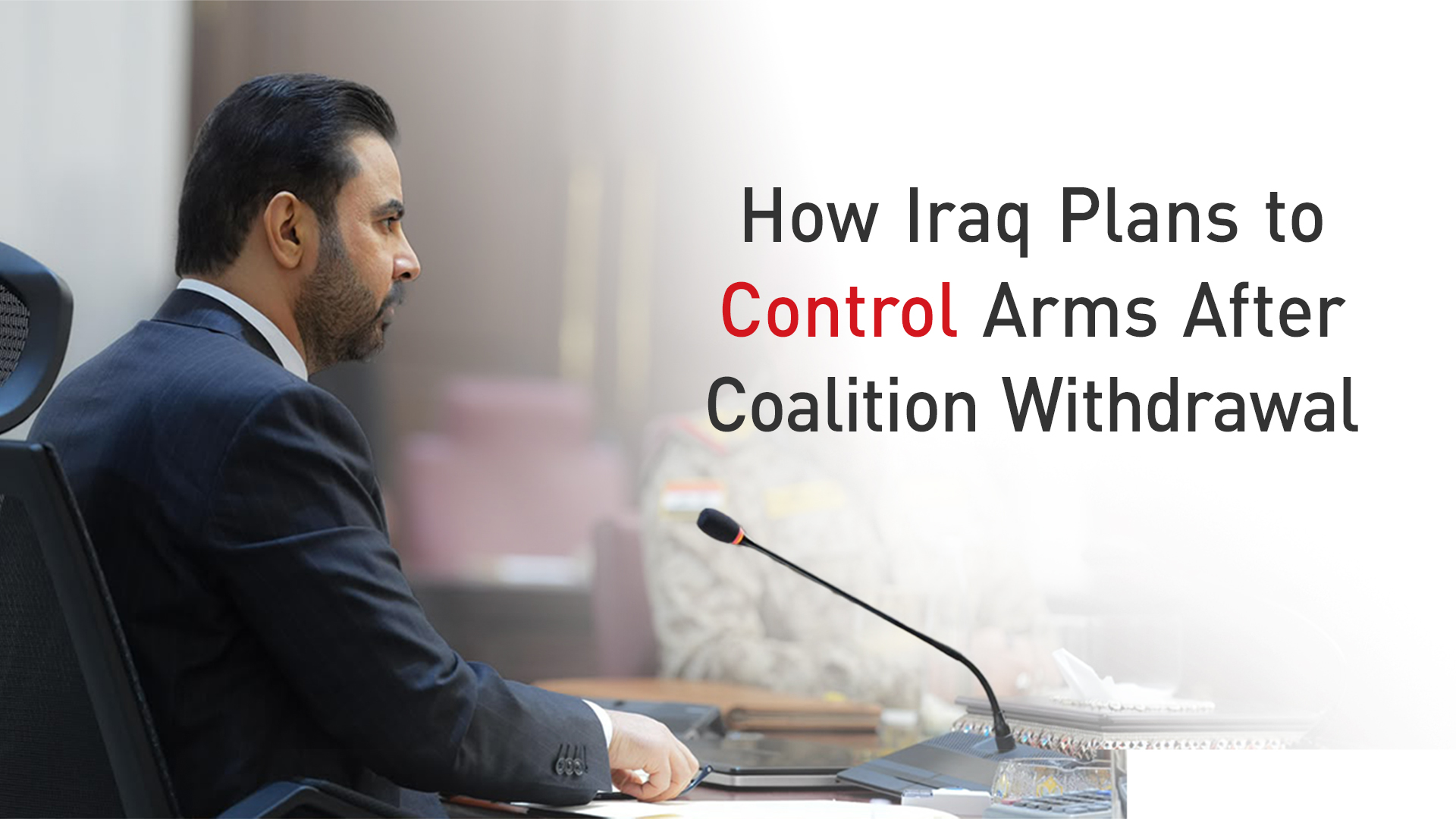
ERBIL (Kurdistan24) - Iraqi Prime Minister Ali al-Zaidi announced on Thursday that his government will begin purchasing an air defense system and regulate the law governing the Popular Mobilization Forces, marking what he called the start of a serious phase in resolving the issue of weapons outside state control.
In a statement, Zaidi said the date opens a new stage for the country, one he tied to the end of the international Coalition's mission in Iraq.
Zaidi congratulated the Iraqi people on the conclusion of the international Coalition's mission in Iraq and the full withdrawal of its forces by land, air and sea. He described the development as a national achievement and a reflection of Iraq's full sovereignty.
The prime minister also pointed to the parties that stood alongside the armed forces against ISIS during that period and played their part through the hardest stages.
Zaidi said Oct. 1, 2026, is a serious beginning for bringing weapons outside the state's control under authority and for adhering to constitutional deadlines, according to a clear roadmap that will not extend beyond June 30, 2027.
According to the statement, the government is working in accordance with the constitution to withdraw weapons from all armed groups that are not Iraqi and are present on Iraqi territory. The aim, he said, is to safeguard security and stability and to control the country's borders.
The prime minister stressed that Iraq will not allow its territory to be used for any activity that threatens the security of neighboring countries. He added that Baghdad rejects the use of other countries' territory to attack Iraq.
The government will support security institutions by purchasing an air defense system and by regulating the Popular Mobilization Forces law, Zaidi said. He described the Popular Mobilization Forces as an integral part of the country's security system, to operate under the command of the commander-in-chief of the armed forces.
Zaidi affirmed that Iraq has passed through a long period of war and confrontation with terrorism and now turns toward a new phase. It is aimed, he said, at strengthening national sovereignty and stability, achieving sustainable development, improving citizens' living conditions and providing services.
He concluded that Oct. 1 marks the start of a new chapter for Iraq as a fully sovereign state with strong institutions. Baghdad, he said, will build balanced relations with regional and international countries on the basis of shared interests and mutual respect.