Kurdistan Region Police Reform to Be Fully Implemented by 2030
Rondik Faris, Director of the Leadership and Management Academy at the Kurdistan Regional Government's (KRG) Ministry of Interior, told Kurdistan24 on Thursday that the reform project, launched in 2025, is being implemented under a strategic plan covering 2026–2030.
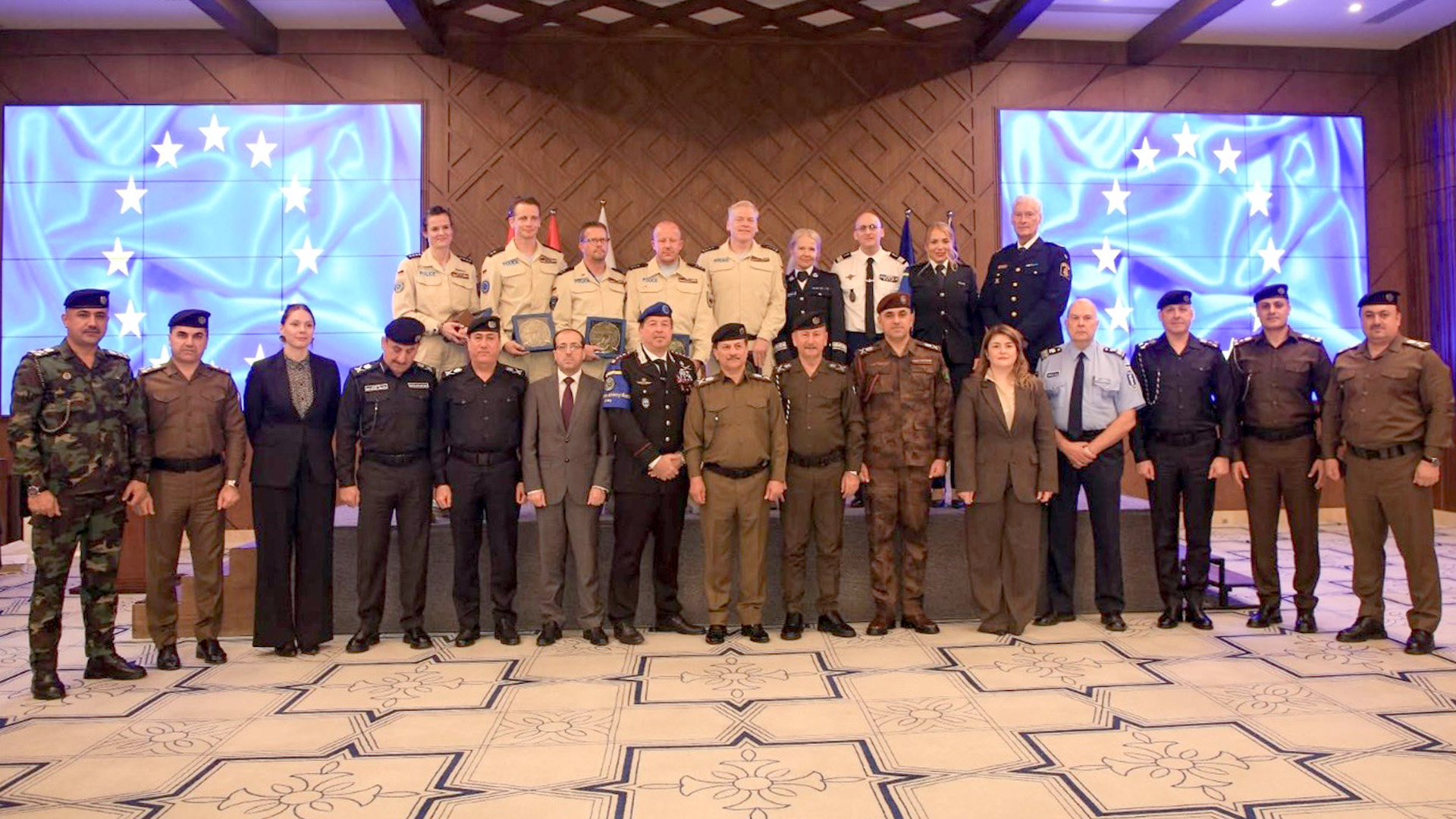
ERBIL (Kurdistan24) – The Kurdistan Region's police reform process is underway and is expected to be fully implemented by 2030, with a focus on modernizing the police force, strengthening professionalism, and improving security services for citizens, a senior Ministry of Interior official said on Thursday.
Rondik Faris, Director of the Leadership and Management Academy at the Kurdistan Regional Government's (KRG) Ministry of Interior, told Kurdistan24 on Thursday that the reform project, launched in 2025, is being implemented under a strategic plan covering 2026–2030.
She said the initiative is overseen by the Ministry of Interior, with advisory and technical support from the European Union Advisory Mission in Iraq (EUAM Iraq) and the United Nations Development Programme (UNDP).
Faris explained that the reform process initially focused on assessing the current state of the police force, identifying institutional needs, and developing a comprehensive plan. It has now entered its practical implementation phase, beginning with several model police stations across the Kurdistan Region's provinces.
She said the performance of these stations would be evaluated before successful practices are expanded to other police stations and units.
The reform program initially identified 20 areas for improvement. However, following consultations between the Ministry of Interior and senior police officials, five priority areas were selected for the first implementation phase:
1- Establishing model police stations.
2- Transforming police colleges into academies through changes to their names, structures, and curricula.
3- Strengthening women's leadership within the police force.
4- Merging and integrating several directorates.
5- Restructuring the patrol police.
Faris said officers and employees at the model stations would directly benefit from the initial reforms before they are extended across the Region's police institutions.
She stressed that the initiative goes beyond training individual officers, aiming instead to transform the entire police system, with citizens as its primary beneficiaries.
The program includes institutional and administrative reforms, modern management practices, technological advancements, crime prevention, community policing, improved coordination between departments, and the introduction of monitoring and evaluation mechanisms.
The broader objective is to develop the police from an institution primarily focused on law enforcement into a professional, transparent, and service-oriented force that meets international standards.
"Police reform in the Kurdistan Region is an important and strategic step toward a better future. We believe that a strong police force is built not only through security tools and capabilities but also through professionalism, adherence to the law, respect for human rights, and public trust," Faris said.
"Our goal is therefore to build a modern, efficient, and service-oriented police force worthy of the Kurdistan Region and its citizens," she added.
The Kurdistan Region Police Reform Program is a strategic initiative covering 2026–2030, built around seven main objectives aimed at modernizing the police institution, advancing digital transformation, developing leadership, protecting human rights, and strengthening public trust.
Its guiding principle is summarized in the equation: Strength + Respect = Trust.
The program is overseen by the KRG Ministry of Interior. The Leadership and Management Academy is responsible for strategic coordination, while the General Directorate of Police and governorate-level directorates oversee field implementation. EUAM Iraq and UNDP provide advisory and technical assistance.
As part of the initial implementation phase, commanders have been appointed to four model police stations across the Region:
- Erbil: Kasnazan Police Station
- Sulaimani: Saywan Police Station
- Duhok: Nizarke Police Station
- Halabja: Halabja Central Police Station
Teams will be formed and trained at the selected stations, followed by the introduction of new procedures. Their performance will be assessed before successful practices are expanded to other police stations across the Kurdistan Region.
The planned changes include clarifying duties and authorities, standardizing service delivery, introducing evidence- and data-based investigations, adopting modern technology, protecting citizens' privacy and dignity, and establishing complaint and feedback mechanisms.
For citizens, the reforms are expected to improve access to police services, ensure more professional treatment, accelerate responses, strengthen accountability, and make the police force more responsive to community needs.