US Sanctions Iran’s Largest Automakers, Rail and Industrial Companies
Washington expands “Operation Economic Outcast” to Iran’s automotive and rail sectors, targeting major manufacturers and foreign suppliers
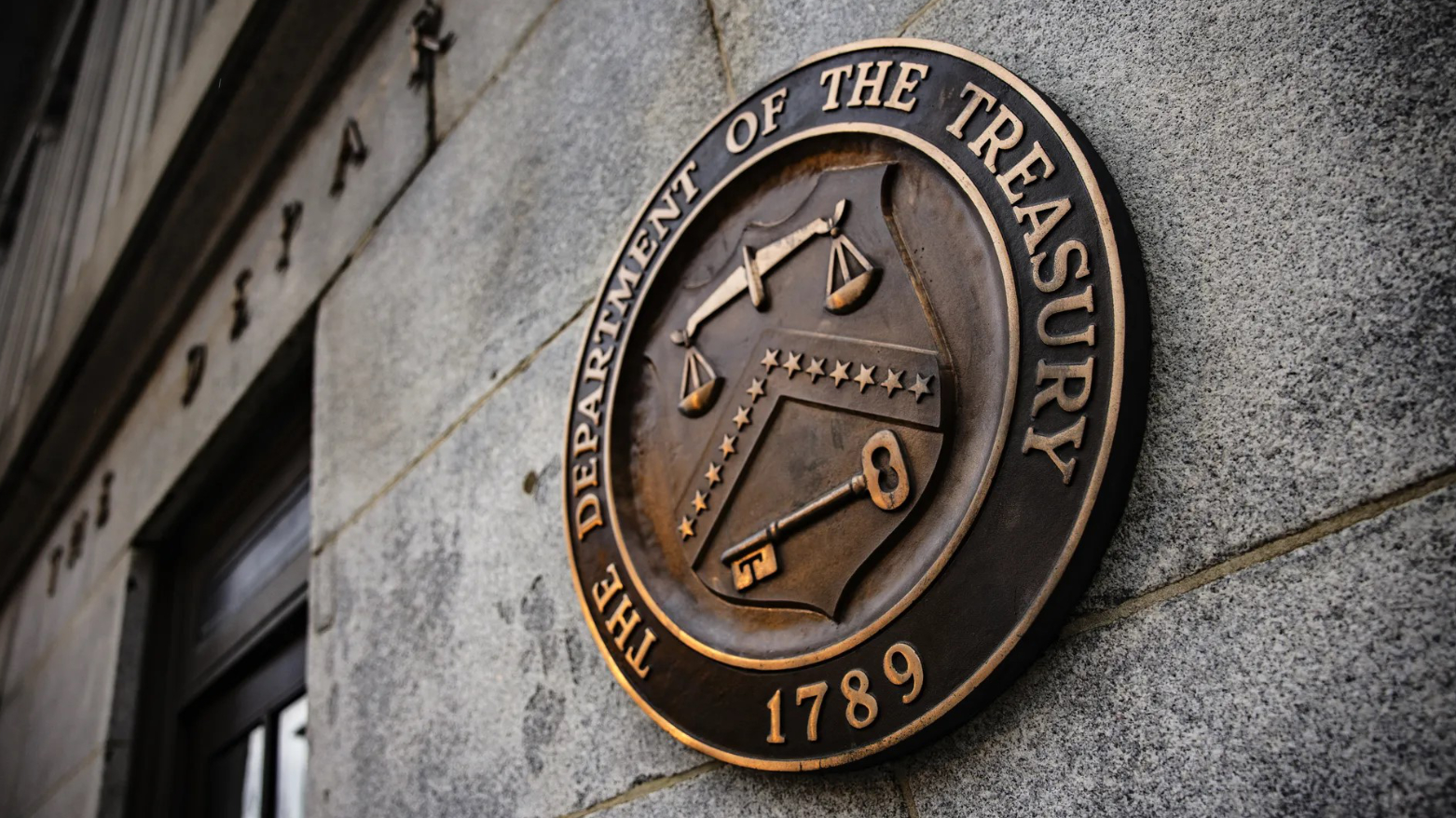
ERBIL (Kurdistan24) — The United States on Thursday announced a new round of sanctions targeting Iran’s largest automakers, major railway companies, and manufacturing and metals firms, as Washington expands its economic pressure campaign against Tehran.
The US Department of the Treasury said the measures, imposed under its “Operation Economic Outcast” campaign, target sectors that it considers major remaining sources of revenue and logistical capacity for the "Iranian regime".
“Because the rail and automotive sectors represent some of the regime’s largest remaining sources of revenue and logistical capacity, today’s action strikes directly at the critical arteries Iran relies on to sustain its economy and evade sanctions,” the Treasury said.
The sanctions target Iran’s two largest automakers, Iran Khodro Company (IKCO) and SAIPA Iranian Automobile Manufacturing Company, which together account for more than 90 percent of Iran’s domestic automotive market and produce nearly 1.5 million vehicles annually, according to the Treasury.
Five additional companies were also designated in the automotive sector, including Iran Khodro Diesel, Pars Khodro, Zamyad, Niroo Motor Shiraz Industrial and Manufacturing Company, and Niroo Motor Damavand Company.
Treasury described Niroo Motor Shiraz as Iran’s largest motorcycle manufacturer.
The action also extends beyond Iran’s borders, targeting foreign companies accused by Washington of supplying components to Iran’s automotive industry.
The designated firms include PT Golden Motorcycle International in Indonesia, Integrated Auto Parts LLC in the United Arab Emirates, Troy Trading Arac Parcalari Sanayi Ve Ticaret Limited Sirketi in Türkiye, and two Hong Kong-based companies, Hessenberg Co. and Tanex Global Trading Hong Kong Limited.
Rail sector targeted
The Treasury also imposed sanctions on three major Iranian railway companies: the state-owned Islamic Republic of Iran Railway Company (RAI), Raja Passenger Trains Company, and private freight carrier Sherkat-E Rah Ahan-E Khamle-O-Naghle, also known as the Railway Transportation Company.
According to Treasury, Iran has increasingly relied on its rail network to transport oil and sustain regional trade amid the US military’s maritime blockade.
The department also issued a new sectoral sanctions determination covering Iran’s rail industry, authorizing the Office of Foreign Assets Control (OFAC) to sanction individuals and entities operating in the sector.
A similar sectoral determination was issued for Iran’s automotive industry, expanding Washington’s ability to target entities operating in those sectors under Executive Order 13902.
Manufacturing and metals companies hit
The new measures also target Iran’s manufacturing and metals industries.
Among the designated companies is Heavy Equipment Production Company (HEPCO), which Treasury described as one of the Middle East’s largest manufacturers of mining and road-construction machinery. Its China-based subsidiary, HEPCO Shanghai Co., Ltd., was also sanctioned.
Treasury said HEPCO’s machinery has been used by the Islamic Revolutionary Guard Corps-Qods Force to build and improve military training sites and by the IRGC to construct underground facilities.
The United States also sanctioned UAE-based Silver Line Metal Trading LLC and Germany-based Tech-Trade International Impex GmbH over activities involving Iran’s steel industry.
Treasury said Tech-Trade had supplied precursor materials to Esfahan’s Mobarakeh Steel Company, while Silver Line had sold stainless steel products to Iranian steel producers.
UAE-based Traco International FZE was also designated in connection with Iran’s steel sector.
Steel and oil export network targeted
The latest measures further target a network that Treasury says has facilitated tens of millions of dollars in Iranian steel and oil shipments.
The department identified Hong Kong-based Iranian-Dominican businessman Ramin Keshvardoust, who it said used companies and bank accounts under his control to facilitate shipments of Iranian steel and oil and to move funds through Iran’s shadow banking system.
Treasury said Keshvardoust-controlled companies in Hong Kong, China, and Iran were involved in the network, alongside Iranian and foreign entities used to facilitate financial transactions and commodity exports.
Washington expands pressure on Tehran
Treasury Secretary Scott Bessent said the latest measures are intended to further restrict the "Iranian regime’s" ability to generate revenue and support its military activities.
“Today’s action directly targets Iran’s enablers and lays the groundwork for the United States and our partners to drain the regime’s revenue once and for all,” Bessent said.
The sanctions are part of “Operation Economic Outcast,” announced by Bessent on Aug. 24 as a broader US campaign targeting Iran’s remaining revenue sources, sanctions-evasion networks, and financial channels.
Treasury said the campaign has expanded sanctions exposure for entities continuing to do business with Iran and warned that companies facilitating money laundering or sanctions evasion could face exclusion from the US financial system.
Under the latest designations, property and interests in property of the targeted entities that are in the United States or under the control of US persons are blocked and must be reported to OFAC.
US persons are generally prohibited from engaging in transactions involving the blocked property unless authorized by OFAC.