Gulf States Condemn Houthi-Attributed Attack on Medina
The GCC has condemned a drone attack on a Medina power station supplying the Prophet's Mosque after the Saudi-led coalition blamed Yemen's Houthis, who deny responsibility.
ERBIL (Kurdistan24) - The Gulf Cooperation Council has strongly condemned a drone attack on an electricity distribution station in Medina that supplies power to the Prophet's Mosque, after the Saudi-led coalition accused Yemen's Houthis of carrying out the strike, an allegation the group has denied.
Jasem Albudaiwi, Secretary-General of the GCC, said the attack on the Taiba electricity distribution station had crossed "all red lines" and described it as a dangerous violation of the sanctity of Islamic holy sites.
The strike occurred at 5:11 a.m. on Tuesday, Sept. 29, according to the Coalition to Support Legitimacy in Yemen.
Coalition spokesperson Maj. Gen. Turki al-Maliki said on Thursday that an investigation by the relevant authorities, including an examination of debris from the drone involved, had led the coalition to conclude that the Houthis had planned and carried out the attack.
The Houthis have denied responsibility for targeting Islamic holy sites, according to Agence France-Presse.
The attack damaged one transformer at the Taiba station, taking it out of service, but did not disrupt the wider electricity network, al-Maliki said.
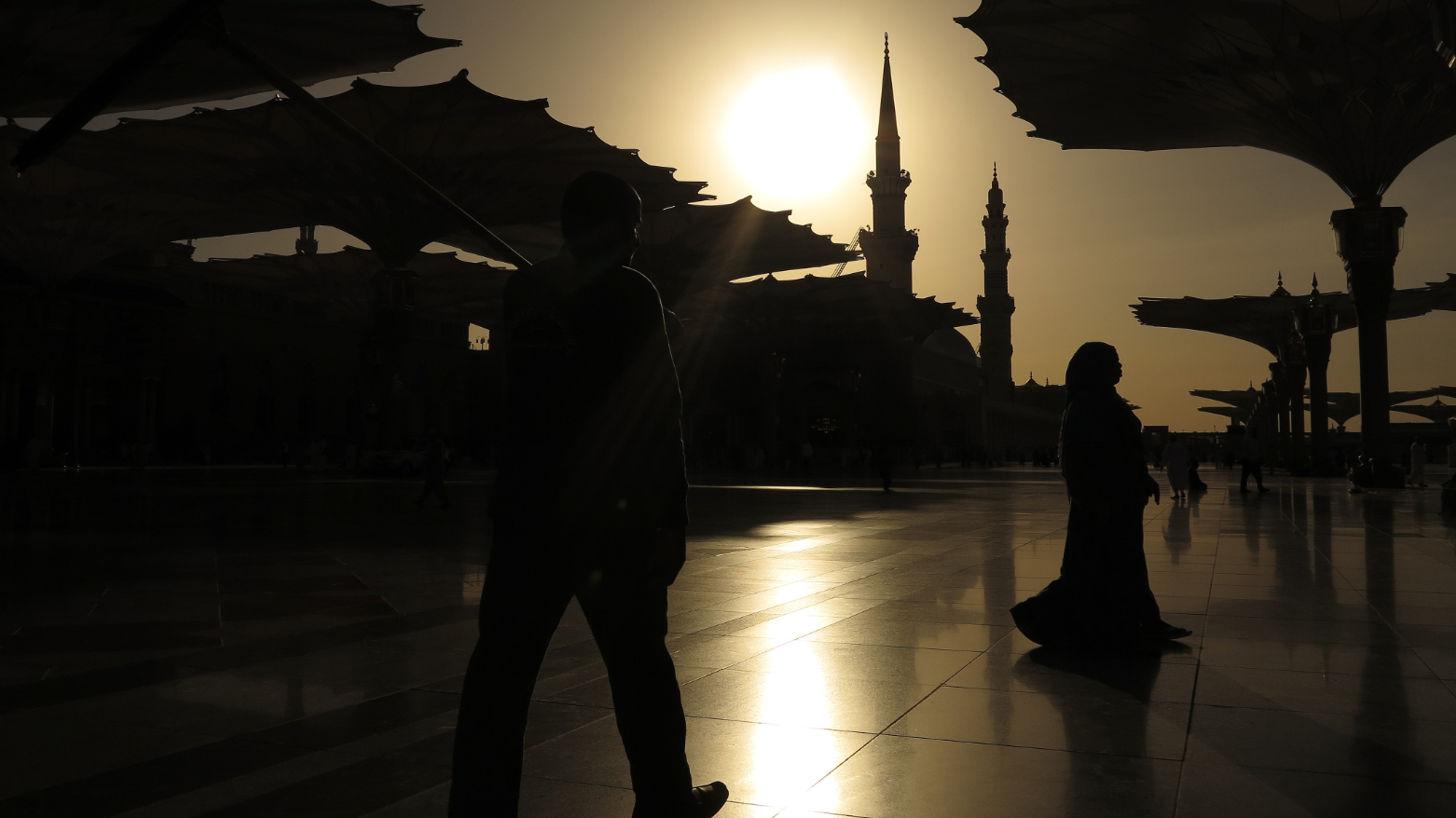
The station provides electricity to the Prophet's Mosque, giving the incident particular religious significance. Medina, where the Prophet Mohammed is buried, is one of Islam's holiest cities alongside Mecca.
Al-Maliki described the strike as an attack on a civilian facility and accused the Houthis of continuing what he characterized as attempts to target the Two Holy Mosques and provoke Muslims around the world.
"The coalition will take the necessary measures to neutralize the terrorist Houthi militias," al-Maliki said, linking those measures to protecting the holy sites and ensuring the safety of pilgrims in Mecca and Medina.
The GCC followed with its own strongly worded condemnation.
Albudaiwi said the attack represented a "blatant affront" to Muslims and accused the Houthis of disregarding religious and humanitarian values as well as international law and accepted international norms.
He said the security of Saudi Arabia and its holy sites could not be separated from the security of the other Gulf states.
Any threat to Saudi Arabia, he said, should therefore be regarded as a threat to the security of all GCC members.
Albudaiwi reaffirmed what he described as the Gulf states' full solidarity with Saudi Arabia and their support for measures taken by Riyadh to protect its territory, citizens, holy sites and pilgrims. The GCC's official statement similarly said Saudi security and the security of its sacred sites form an integral part of collective Gulf security.
The Saudi accusation came as fighting intensified inside Yemen.
AFP correspondents reported hearing explosions in the Houthi-controlled capital, Sanaa, on Thursday, while forces aligned with Yemen's internationally recognized government said they had carried out attacks on Houthi positions.
A military spokesperson said government forces conducted what he described as a high-value operation in Sanaa and struck 11 targets in Saada.
He also said 27 airstrikes targeted what government forces described as an integrated Houthi military system in Taiz.
The Houthis control Sanaa and much of Yemen's Red Sea coast and have repeatedly launched missiles and drones toward Saudi Arabia since Riyadh intervened in Yemen's civil war in 2015.
Attacks associated with Islam's holy cities, however, have been comparatively rare.
A senior Houthi official on Thursday again rejected accusations that the movement had attacked Islamic holy sites, according to Houthi media cited by AFP. Reuters likewise reported that Houthi sources denied the coalition's accusation over Medina.
Condemnation of the Medina incident extended beyond the GCC.
Türkiye's Foreign Ministry strongly condemned the attack on civilian infrastructure and said actions threatening Saudi security and targeting sacred Islamic values must stop immediately and unconditionally.
Ankara also reaffirmed its support for Saudi Arabia and called for measures to prevent further escalation.
Qatar described the attack as a grave assault on the sanctity of Islamic holy sites and a violation of Saudi sovereignty and international law.
Doha said Saudi security was an inseparable part of Gulf security.
The League of Arab States also condemned the attack, describing it as an unacceptable transgression and warning that targeting Medina provoked the sentiments of Muslims around the world.
Al-Azhar, the Cairo-based center of Sunni Islamic learning, issued a similar condemnation, saying an attack on Medina would deeply affect Muslims globally.
The condemnations come against a backdrop of renewed military escalation in Yemen and continuing cross-border tensions involving the Houthis and Saudi Arabia.
For now, the coalition says its examination of the drone debris identifies the Houthis as responsible for the Sept. 29 attack. The Houthis dispute that conclusion.
The incident has nevertheless drawn a unified public response from Saudi Arabia's Gulf partners and several other Muslim governments and institutions, centered particularly on the location of the strike and the Taiba station's role in supplying electricity to the Prophet's Mosque.