Al-Zaidi Walks Out of Framework Meeting Over Jurf al-Sakhar
Iraqi PM al-Zaidi walked out of a Coordination Framework meeting over disputes on action in Jurf al-Sakhar after an oil-smuggling probe implicated Kata'ib Hezbollah.
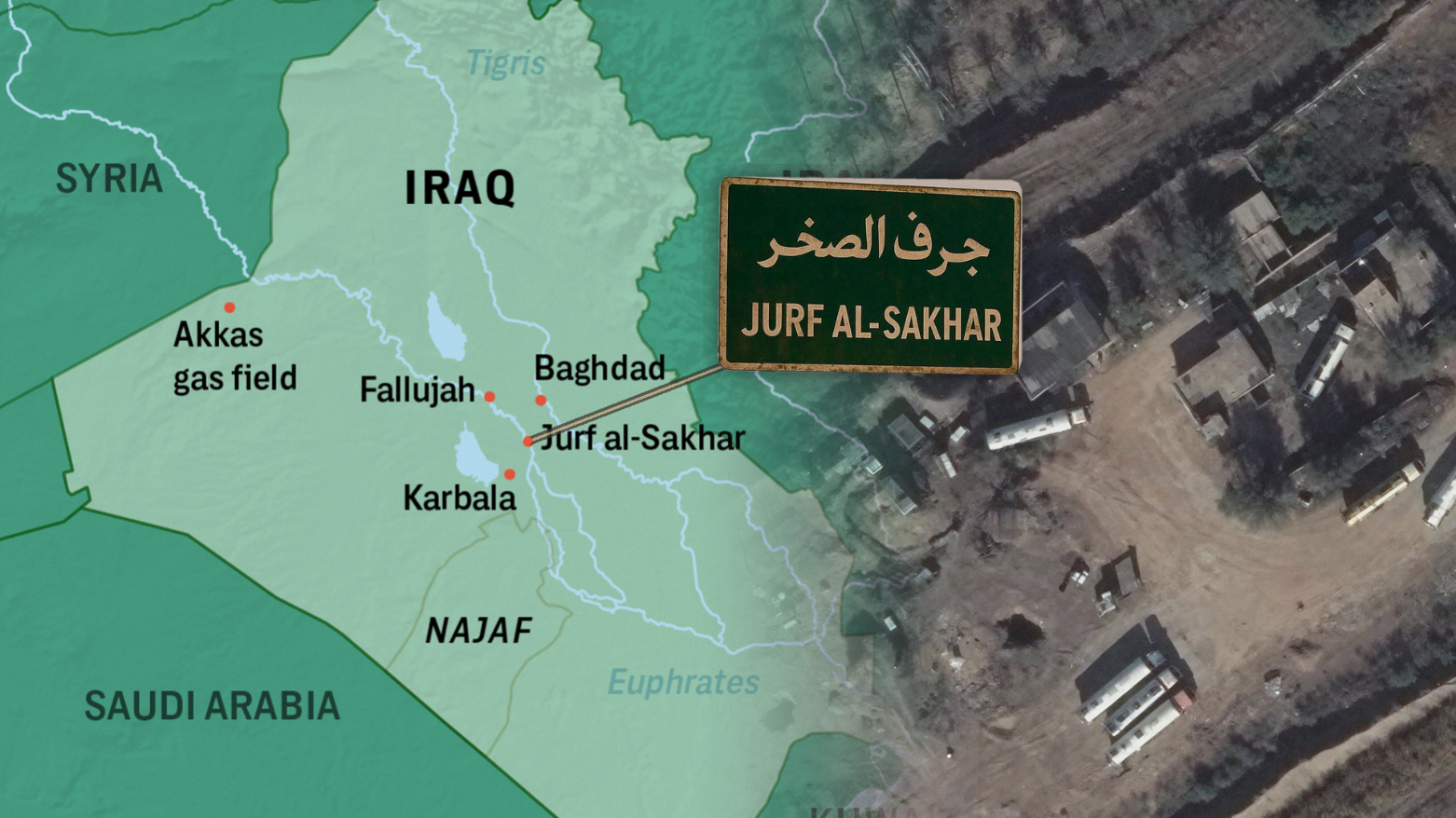
ERBIL (Kurdistan24) - A meeting of Iraq’s Coordination Framework leaders on Monday saw sharp disputes over government measures concerning the Jurf al-Sakhar area of Babil province, prompting the Iraqi Prime Minister Ali al-Zaidi to leave the session amid differing positions among the political forces, according to sources cited by Al Arabiya/Al Hadath.
The sources said the meeting was held at the home of Framework leader Hamam Hamoudi and was marked by tension and sharp disagreement over the Jurf al-Sakhar file and the government measures expected in the area.
Zaidi opened the session by presenting the report of the investigation committee, which, according to the sources, confirmed oil smuggling operations from Jurf al-Sakhar carried out by Kataib Hezbollah.
He stressed that the government would move ahead with the necessary legal and military measures to impose security and state control over the area, and said there would be no retreat from them.
Several Framework leaders, by contrast, called for continued dialogue with the parties concerned and for avoiding a military option.
The sources said this position was led by Hadi al-Amiri and Abu Alaa al-Walai, but the prime minister rejected the proposals and insisted on proceeding with his measures.
The sources added that Badr Organization leader Amiri left the meeting because of the disputes. Zaidi left afterward, having affirmed that the security and military measures to take control of Jurf al-Sakhar would continue.
Despite the intensity of the disagreement, the sources said most Framework leaders backed Zaidi’s measures on Jurf al-Sakhar.
They described this as an indication of political support for the government’s moves, alongside objections within the alliance.
The meeting ended in an atmosphere of tension, divided between those calling for continued dialogue and those supporting the government’s measures.
The Coordination Framework later issued a statement on the meeting that made no reference to Jurf al-Sakhar or the disputes over the expected government measures.
It said only that the meeting discussed developments in the political, economic and security situation in Iraq and the region.
The developments come amid government moves to reorganize the security situation in Jurf al-Sakhar, which the source describes as strategically important because of its location in northern Babil province and its proximity to roads leading to Baghdad and Karbala.
Al Arabiya/Al Hadath sources had earlier revealed a security plan approved by the Iraqi government.
It includes redeploying army and federal police units around the area and tightening control over its entrances and exits.
The plan aims to subject movement in and out of the area to official checkpoints, prevent smuggling, including oil smuggling, and pressure the armed factions to withdraw from the area.
The measures cover three main entrances: the Tahrir checkpoint on the Musayyib side, the Karbala entrance via the al-Hur subdistrict toward Bahbahan, and the Fadhiliyah bridge on the Yusufiyah side.
According to earlier information, the plan includes a later phase that would allow government security forces to enter the area.
The Jurf al-Sakhar file comes amid tensions between the government and some armed factions over measures aimed at imposing wider security control over the area.
Sources had earlier spoken of disagreements between the Iraqi prime minister and Kataib Hezbollah over allegations of oil smuggling there.
Attention now turns to the Iraqi government’s next steps and its ability to carry out its security plan in Jurf al-Sakhar, with the backing of most Framework leaders, according to Al Arabiya’s sources, and with disagreements over the file continuing.