UK Peer Praises Kurdistan Region’s Resilience, Stability and Ties with West
Ashcroft said he met with President Masoud Barzani, who expressed concerns that militant groups could once again attempt to exploit security gaps following the US withdrawal.
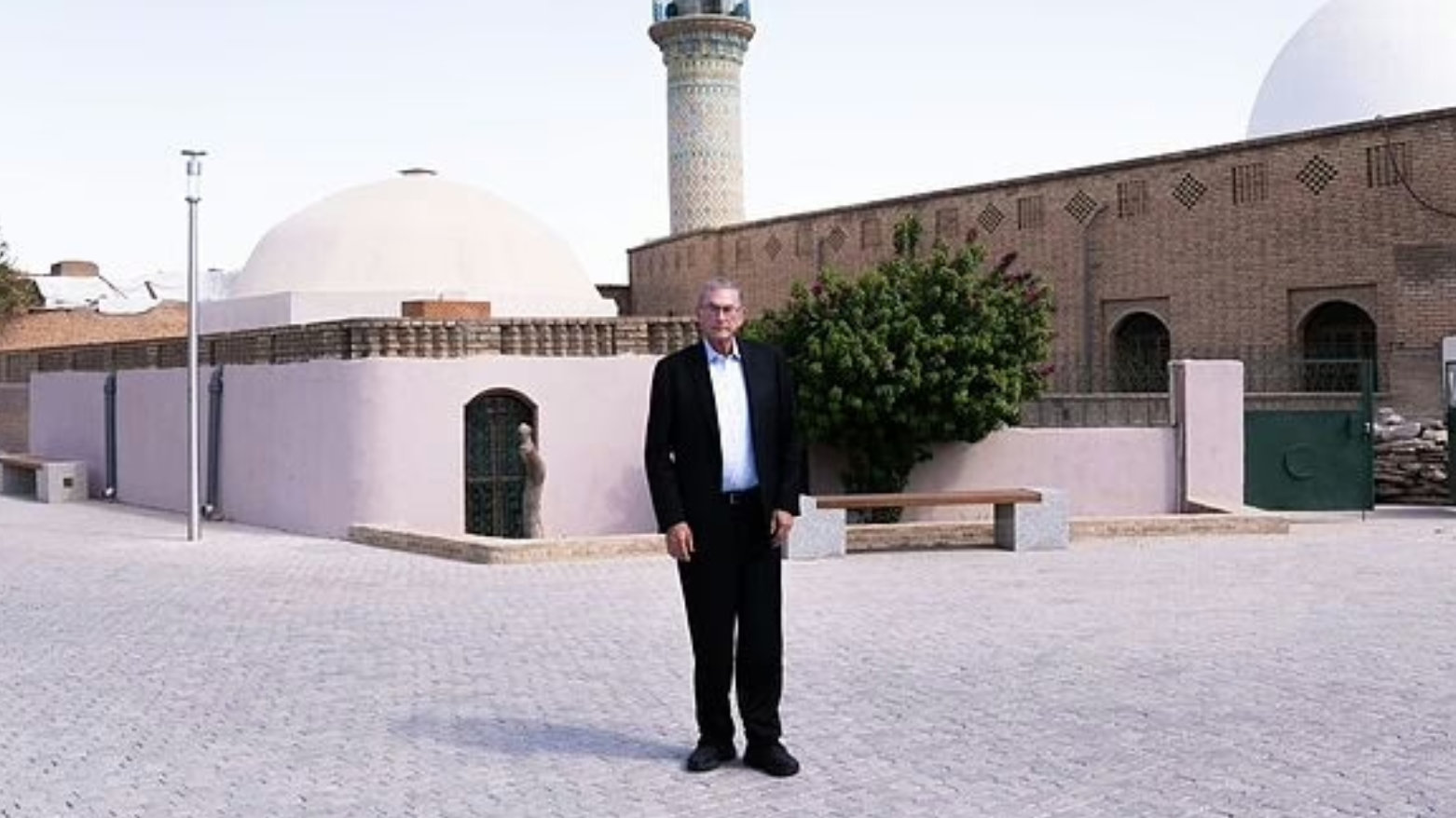
ERBIL (Kurdistan24) — British politician and businessman Lord Michael Anthony Ashcroft has praised the Kurdistan Region’s resilience, stability and longstanding ties with the West, describing it as a potential foundation for greater stability in the Middle East.
In an article published by the Daily Express on Sunday, Ashcroft highlighted the Kurdistan Region’s longstanding relationship with Western countries, particularly Britain, recalling the establishment of the no-fly zone over the Kurdistan Region in 1991, which helped protect Kurds from attacks by Saddam Hussein’s forces.
He noted that although many Kurds continue to aspire to independence, the region’s political leadership approaches the issue cautiously due to concerns that an immediate move toward sovereignty could further destabilize the Middle East.
Ashcroft also recalled the Kurdistan Region’s 2017 independence referendum, in which 92 percent of voters supported independence. The result was followed by a military response from Baghdad, while neighboring countries and Western governments opposed the move.
He pointed to continuing tensions between Erbil and Baghdad, including disputes over oil revenues and the Kurdistan Region’s share of Iraq’s federal budget.
Kurdistan Region President Nechirvan Barzani was quoted as saying that the region faces fears relating to the past, present and future, reflecting the challenges confronting Iraq’s different communities.
He said the Kurdistan Region has consistently sought good relations with its neighbors despite the challenges posed by its geopolitical surroundings.
The article also highlighted the historical importance of the Zagros Mountains, where Kurdish communities sought refuge from persecution, including during Saddam Hussein’s campaigns against the Kurdish population in the late 1980s.
Ashcroft recalled the 2014 ISIS attacks, when the Peshmerga, with Western support, fought the militant group and helped prevent its advance into the Kurdistan Region.
However, he warned that the recent withdrawal of US forces from Erbil could create new security concerns, particularly following what he described as more than 1,000 drone and missile attacks on the Kurdistan Region since February.
Ashcroft said he met with President Masoud Barzani, who expressed concerns that militant groups could once again attempt to exploit security gaps following the US withdrawal.
President Barzani also praised the United States and Western countries, including Britain, for their past support of the Kurdistan Region, while stressing the readiness of the Peshmerga to defend the region if necessary.
Ashcroft said Prime Minister Masrour Barzani similarly expressed concerns over the region’s vulnerability to drone and missile attacks, noting that his residence was targeted by drones in August.
The British peer also praised the Kurdistan Region’s economic potential, saying he observed significant development in Erbil, including extensive residential and commercial construction.
He described the region as tolerant of diverse political, ethnic, religious and cultural communities, while highlighting investment opportunities, including provisions allowing foreign investors to own 100 percent of their businesses and benefit from tax incentives.
Ashcroft also visited Erbil Citadel and the Martyrs’ Memorial, describing the capital as a place with deep historical roots and highlighting the region’s tourism potential.
Quoting former Canadian Prime Minister Stephen Harper, who visited the Kurdistan Region in 2015, Ashcroft described the Kurdistan Region as “an oasis in the turmoil.”
He concluded by expressing hope that the Kurdistan Region and its people would eventually achieve their aspirations, citing a Kurdish proverb: “Little by little, the thread becomes a carpet.”