Qahwachi: Reactivating Parliament Is a National Responsibility
Turkmen Reform Party Deputy Leader Muna Qahwachi called for the Kurdistan Parliament to be reactivated and the 10th KRG cabinet formed through political dialogue and agreement.
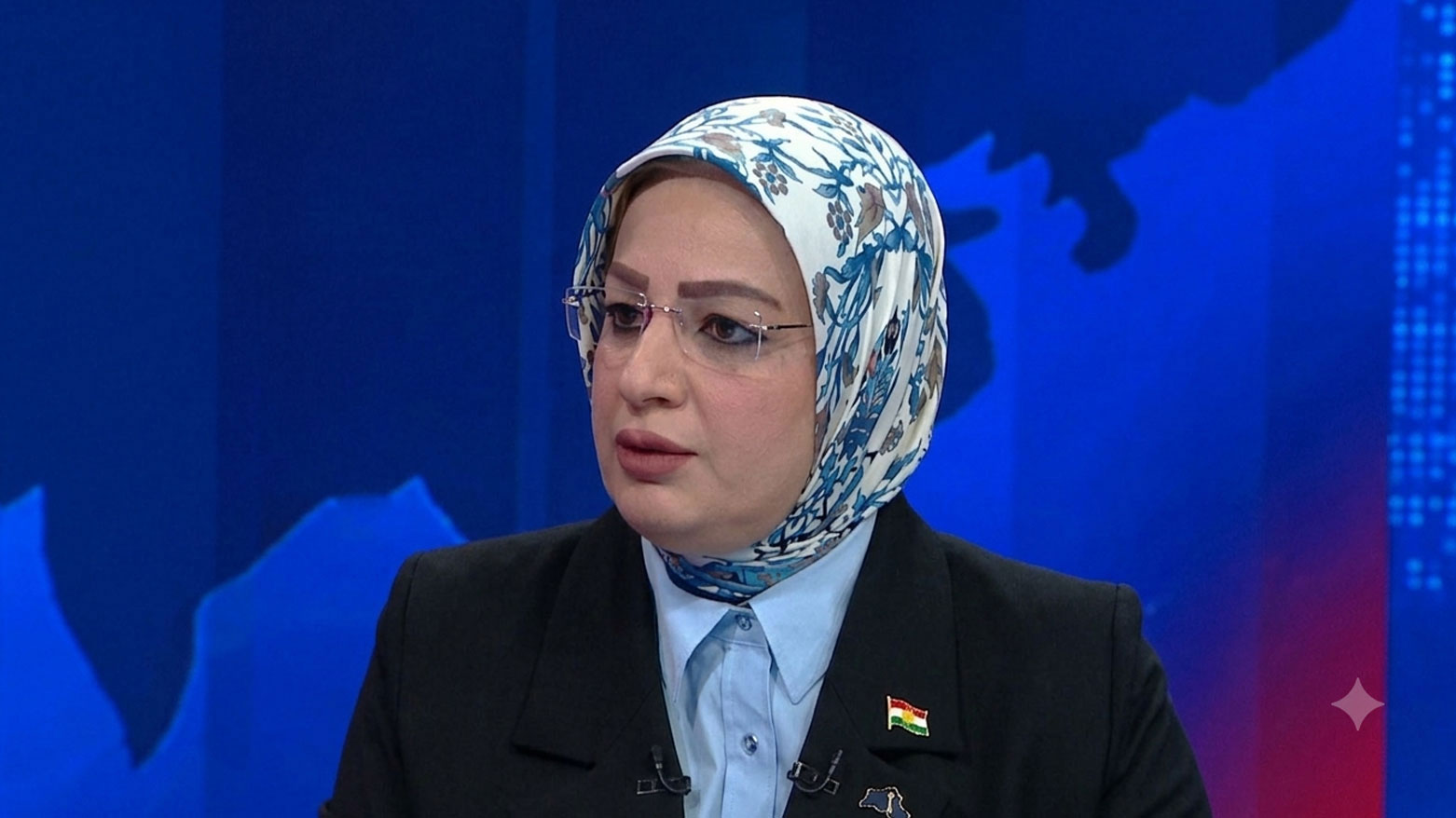
ERBIL (Kurdistan24) - Muna Nabi Qahwachi, Deputy Leader of the Turkmen Reform Party, has called for the reactivation of the Kurdistan Parliament and the formation of the Kurdistan Regional Government's 10th cabinet, describing both steps as a shared national responsibility that should not be delayed by political disagreements or partisan interests.
In an article published by Kurdistan24 on Tuesday, Qahwachi argued that restoring the full functioning of the Region's constitutional institutions is necessary to strengthen governance and maintain the continuity of the political process.
She referred to steps taken by Kurdistan Region Prime Minister Masrour Barzani toward reactivating parliament and forming the new cabinet, describing them as important for strengthening the Region's institutions and ensuring that constitutional bodies continue to function.
Qahwachi said the issue should not be viewed as the responsibility of one political party or the government alone.
"Reactivating the Kurdistan Parliament and forming the 10th cabinet is not solely the responsibility of the government or one political side," she wrote. "Rather, it is a shared responsibility of all political parties and sides that represent the people of Kurdistan in parliament."
She called on political parties to take what she described as a responsible approach and to pursue dialogue and agreement so that the Region's institutions can continue carrying out their duties legally and effectively.
According to Qahwachi, both the reactivation of parliament and the formation of a new cabinet should be treated as constitutional and national necessities.
She linked the issue to the broader question of preserving the Kurdistan Region's political entity and institutions.
"The political entity of the Kurdistan Region was not achieved easily," Qahwachi wrote. "This entity was achieved through a long history of struggle, sacrifice, and the blood of martyrs."
She added that protecting and strengthening the Region's political system also means protecting what she described as the achievements of the people and the future of coming generations.
Her article placed particular emphasis on the need to prevent partisan disputes from delaying institutional processes.
"No political disagreement or partisan interest should cause delays in reactivating the Region's institutions," Qahwachi wrote.
She said all political sides should recognize what she described as their historic responsibility and work through political decisions and negotiations to complete the formation of the 10th cabinet.
Qahwachi's comments reflect concern over the continued functioning of the Kurdistan Region's political institutions and the need for agreement among parliamentary forces.
Her argument focused not only on forming a government, but also on ensuring that parliament can resume its constitutional role and that political institutions remain operational.
She presented political dialogue as the means through which disagreements should be addressed, rather than allowing disputes to halt institutional activity.
At the conclusion of her article, Qahwachi called for greater political unity and functioning institutions.
"Kurdistan needs an active parliament, an effective government, and political unity," she wrote.
She added: "Protecting the Kurdistan Region's political entity means protecting the history and achievements of the people. This is the responsibility of all of us."
The article therefore frames the current political process as a collective obligation involving all political parties represented in parliament, rather than a task belonging to a single side.
Qahwachi's central message was that political disagreement should be managed through dialogue and agreement while the Region's institutions continue to function.
For the Deputy Leader of the Turkmen Reform Party, completing the formation of the 10th cabinet and reactivating parliament are closely connected to maintaining constitutional continuity and preserving the Kurdistan Region's political institutions.