Iraqi PM: Speculators Benefited from Previous Dollar Rate Differential
Al-Zaidi said he took office when Iraq’s public debt had exceeded 208 trillion Iraqi dinars ($137 billion) and the government needed to secure around 10 trillion dinars ($6.6 billion) every month to meet its financial obligations.
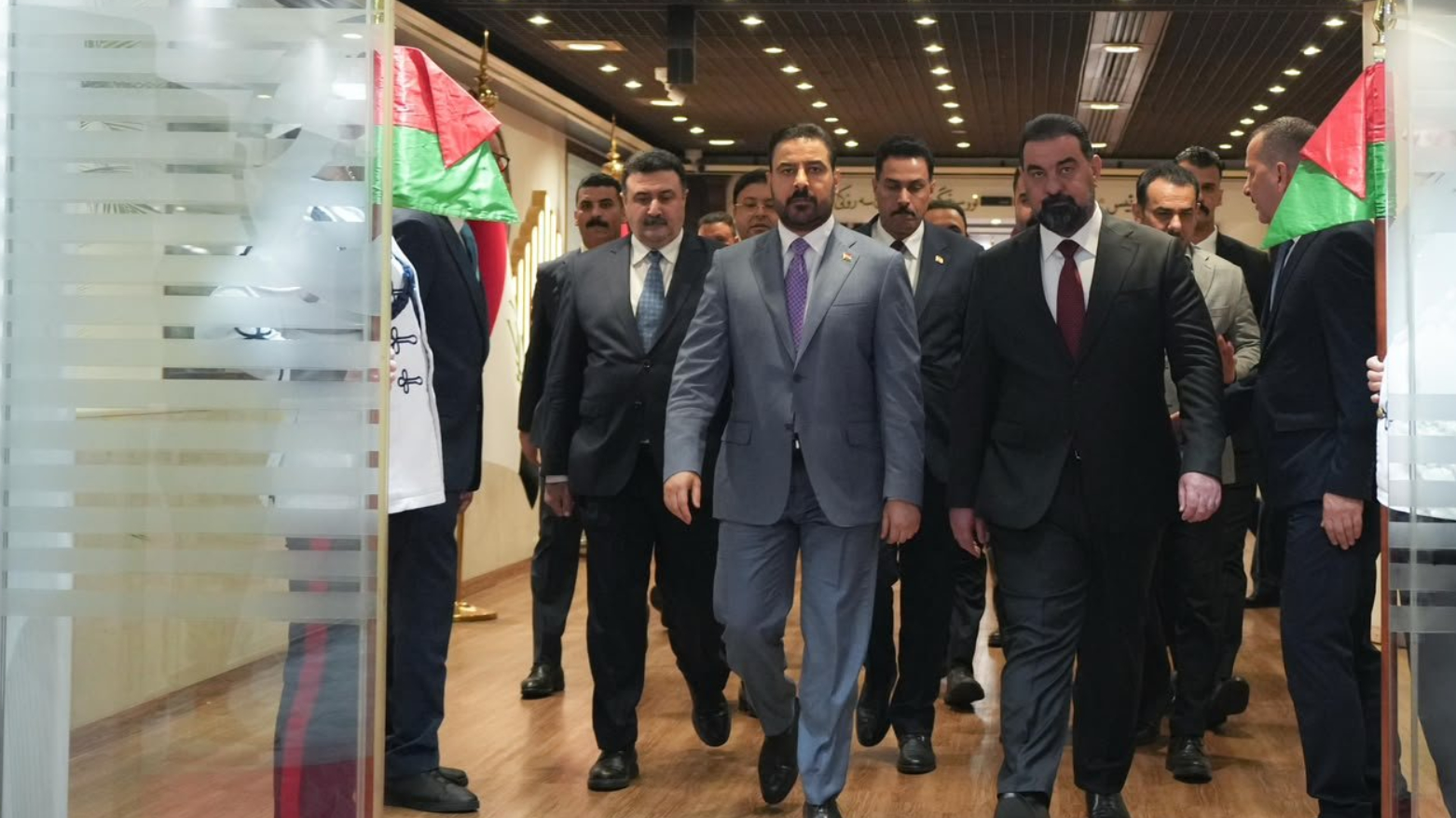
ERBIL (Kurdistan24) — Iraqi Prime Minister Ali Al-Zaidi told Parliament on Thursday that speculators had benefited from the gap between the previous official exchange rate and the parallel-market rate, as his government defended its decision to devalue the Iraqi dinar amid mounting fiscal pressures.
Speaking to the Council of Representatives, Al-Zaidi said he took office when Iraq’s public debt had exceeded 208 trillion Iraqi dinars ($137 billion) and the government needed to secure around 10 trillion dinars ($6.6 billion) every month to meet its financial obligations.
“Despite the crisis, we managed to pay salaries,” Al-Zaidi said, according to a statement from his Media Office.
The prime minister said his government had faced three choices: imposing compulsory savings and leaving public employees without immediate income, paying salaries every 45 days, or borrowing further and adding to Iraq’s already heavy debt burden.
“I took office while our economy was under siege due to the halt in oil exports and the closure of the Strait of Hormuz,” Al-Zaidi said, adding that the previous dollar exchange-rate differential had been captured by speculators.
Iraq’s Cabinet approved a new exchange-rate structure this week, with the Central Bank setting the dollar selling price at 1,520 dinars for the public, up from about 1,320 dinars previously. The Finance Ministry’s purchase rate was set at 1,500 dinars per dollar, while banks receive dollars at 1,510 dinars.
The move came as Iraq faces a severe revenue squeeze caused by disruptions to oil exports through the Strait of Hormuz. Oil revenues account for more than 90 percent of the federal budget, while Iraq’s crude exports fell substantially during the disruption. The government’s 2027 draft budget projects spending of about 217 trillion dinars ($166 billion) and a deficit exceeding 40 trillion dinars ($30 billion).
The exchange-rate decision has triggered criticism from lawmakers, with some MPs calling for the measure to be reversed and warning that a weaker dinar could increase import costs and put additional pressure on household purchasing power.
The prime minister further accused unnamed parties of attempting to create divisions between the government and different segments of the population.