Barzani Charity Foundation Supports Hasakah Health Sector
Aid aims to strengthen hospitals and treatment facilities and improve the quality of medical services for citizens, BCF said.
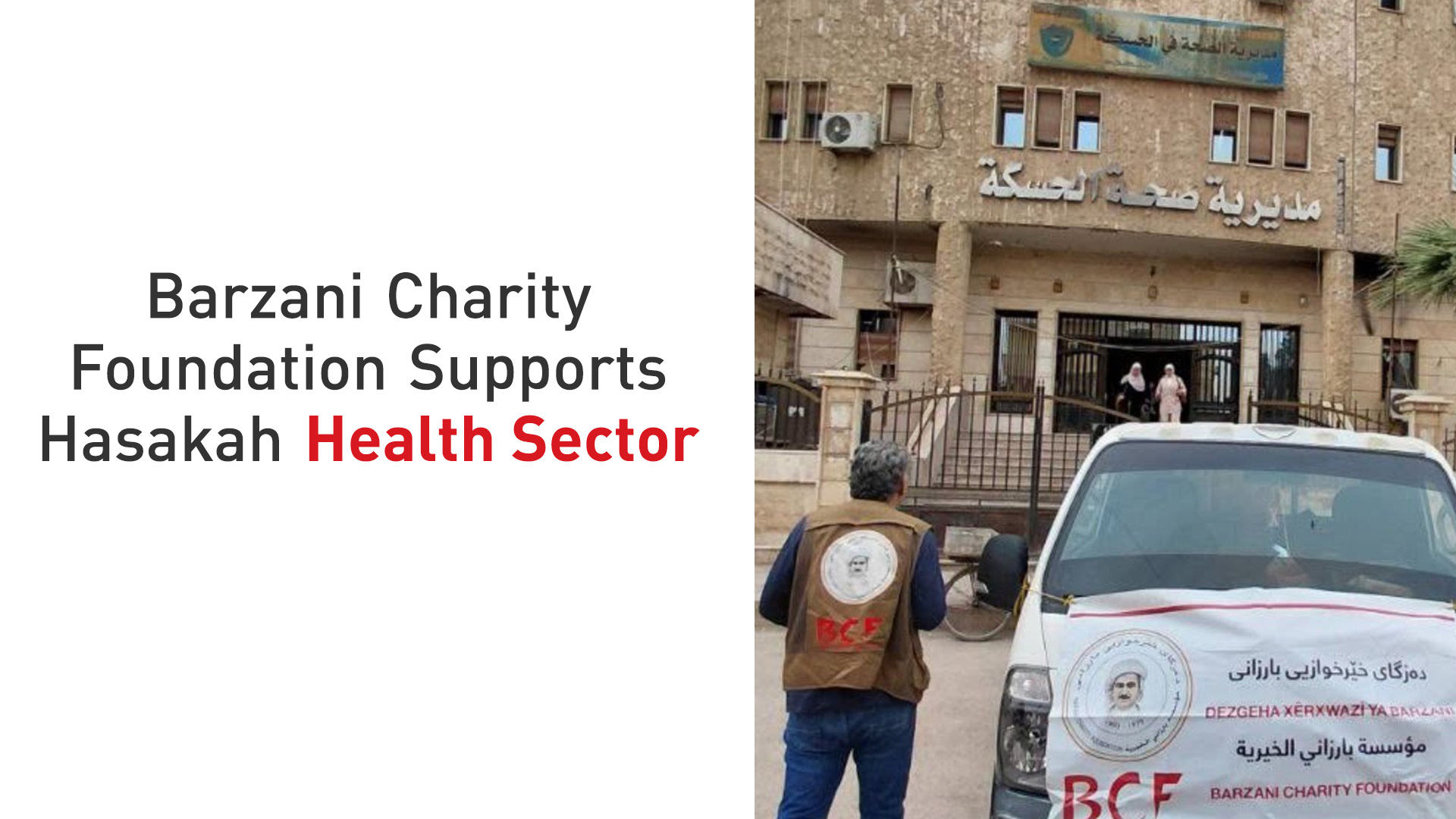
ERBIL (Kurdistan24) - The Barzani Charity Foundation (BCF) has delivered 90 cartons of medicine and medical supplies to the Hasakah Health Directorate, as part of its continuing humanitarian work, the foundation announced on Saturday.
The foundation said it provided the new batch of medical aid to the directorate on Oct. 14, 2026, as part of its ongoing efforts in the health sector.
It described the move as part of its continuing support for the health sector, aimed at strengthening the capacity of hospitals and treatment institutions and improving the quality of medical services for citizens.
BCF is a leading humanitarian organization. It has so far provided various forms of food, health and logistical assistance to poor and needy families in Western Kurdistan (Northern Syria) and in several other provinces and cities of Syria.
The delivery comes after several days of unrest in Hasakah, during which Kurdish youths from neighborhoods including Tel Hajar mobilized to protect their communities during a big protest in the City. The Internal Security Forces, known as Asayish, deployed across the city, positioning personnel at intersections, public squares and entrances between neighborhoods, and roads were closed to keep tensions from escalating. By the following day, the situation had largely calmed, although movement in the city remained reduced.
Elham Ahmad, a member of the Syrian Parliament’s Foreign Relations Committee, said in an interview with Kurdistan24, on Monday that she believed the incidents between Arabs and Kurds involved both external interference and the persistence of anti-Kurdish attitudes associated with Syria’s former Baath-era political culture. Asked whether the unrest had been planned, she said, “Of course, there is foreign involvement.” Ahmad did not identify a specific government or organization as responsible, and her comments represent her political assessment of the events.
Asked whether the unrest might spread to other areas, Ahmad said, “We are trying to prevent that.” She said negotiations were taking place with the Syrian government and that security forces were already positioned in affected areas.
“In this regard, in order to prevent such developments, there are negotiations and dialogue, and there are also plans in place,” Ahmad said.
The security forces have said their priority is preserving social peace and stopping the incidents from developing into wider internal conflict.