Egypt Deploys Troops To Saudi Arabia
At least two Egyptian C-130H aircraft landed at Saudi Arabia’s King Fahd Air Base, marking Egypt’s first confirmed military deployment since the conflict began.
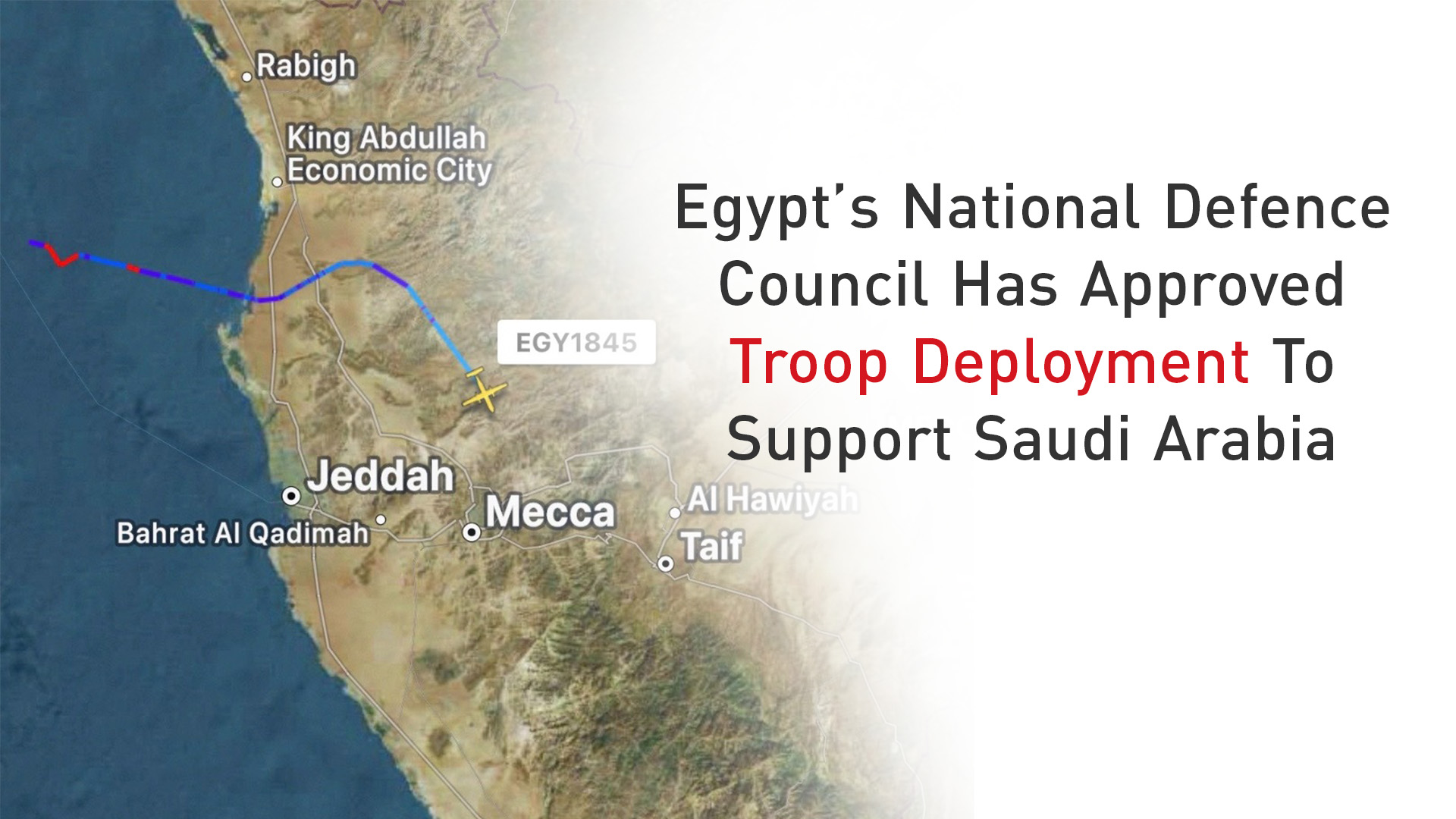
ERBIL (Kurdistan 24) - Egyptian President Abdel Fattah el-Sisi and Egypt's National Defence Council approved a troop deployment to support Saudi Arabia, with at least two Egyptian C-130H military transport aircraft landing at King Fahd Air Base in Taif, Saudi Arabia, on Sunday morning, October 18, 2026, in the first confirmed Egyptian military deployment to the kingdom since the regional conflict began.
The approval by Egypt's National Defence Council, the highest constitutional body responsible for authorizing military deployments abroad, gives the troop dispatch formal legal grounding under Egyptian law and signals that the decision was taken at the highest level of Egypt's national security structure rather than as a routine military exchange.
The Significance of the C-130H Deployment
The C-130H Hercules is a medium tactical military transport aircraft used for troop insertion, equipment delivery, and logistical support. At least two aircraft landing at King Fahd Air Base in Taif, which serves as one of Saudi Arabia's primary military aviation hubs, indicates the beginning of a troop and equipment movement rather than a symbolic visit. The choice of Taif as the arrival point is operationally significant, as King Fahd Air Base is located in the Hejaz region of western Saudi Arabia, positioning any deployed Egyptian forces within range of both the Red Sea coast and the Yemeni border zone where Houthi military activity has been most intense.
The Context: Saudi Arabia Under Houthi Pressure
Egypt's decision to deploy troops to Saudi Arabia comes at a moment of sustained and escalating Houthi military pressure on the kingdom. Houthi forces seized the strategic port city of Mocha and Perim Island in the Bab al-Mandeb Strait in early September 2026, threatening Saudi Arabia's remaining oil export corridors after drone strikes launched from Iraqi territory struck the East-West pipeline on September 10. Houthi ballistic missiles have been intercepted over Riyadh, Saudi civil defence issued a Najran warning in September, and Saudi Crown Prince Mohammed bin Salman requested American airstrikes from President Trump three times in ten days, receiving no American military action in response.
The GCC Secretary General declared on Sunday that the repeated attacks on GCC member states cannot be ignored and that Saudi Arabia's security is inseparable from the security of all GCC member states. The Egyptian deployment, announced on the same day, is the most concrete military response yet to that collective security declaration.
Egypt's Regional Role
Egypt is Saudi Arabia's most populous Arab ally and has maintained a close security partnership with Riyadh since the two countries cooperated in the Saudi-led military intervention in Yemen that began in 2015. Egyptian forces participated in that earlier intervention, providing naval and air assets, and Cairo has consistently aligned its regional security positions with Riyadh throughout the period of Saudi-Iranian competition. Egyptian FM Badr Abdelatty attended the OIC Council of Foreign Ministers meeting in Baghdad on Saturday alongside Iranian FM Araghchi, reflecting Egypt's simultaneous diplomatic engagement and its willingness to take concrete military steps in support of its Gulf partners.
The deployment also reflects Egypt's interest in regional stability at a moment when Cairo is managing its own economic pressures, including the impact of the US-Iran conflict on Suez Canal traffic, which has been severely disrupted by Houthi attacks on Red Sea shipping throughout the conflict.