France Weighs State of Emergency as Local Curfews Planned
French PM Sébastien Lecornu has called for localized curfews after weekend riots, while saying a state of emergency could still be declared if necessary.
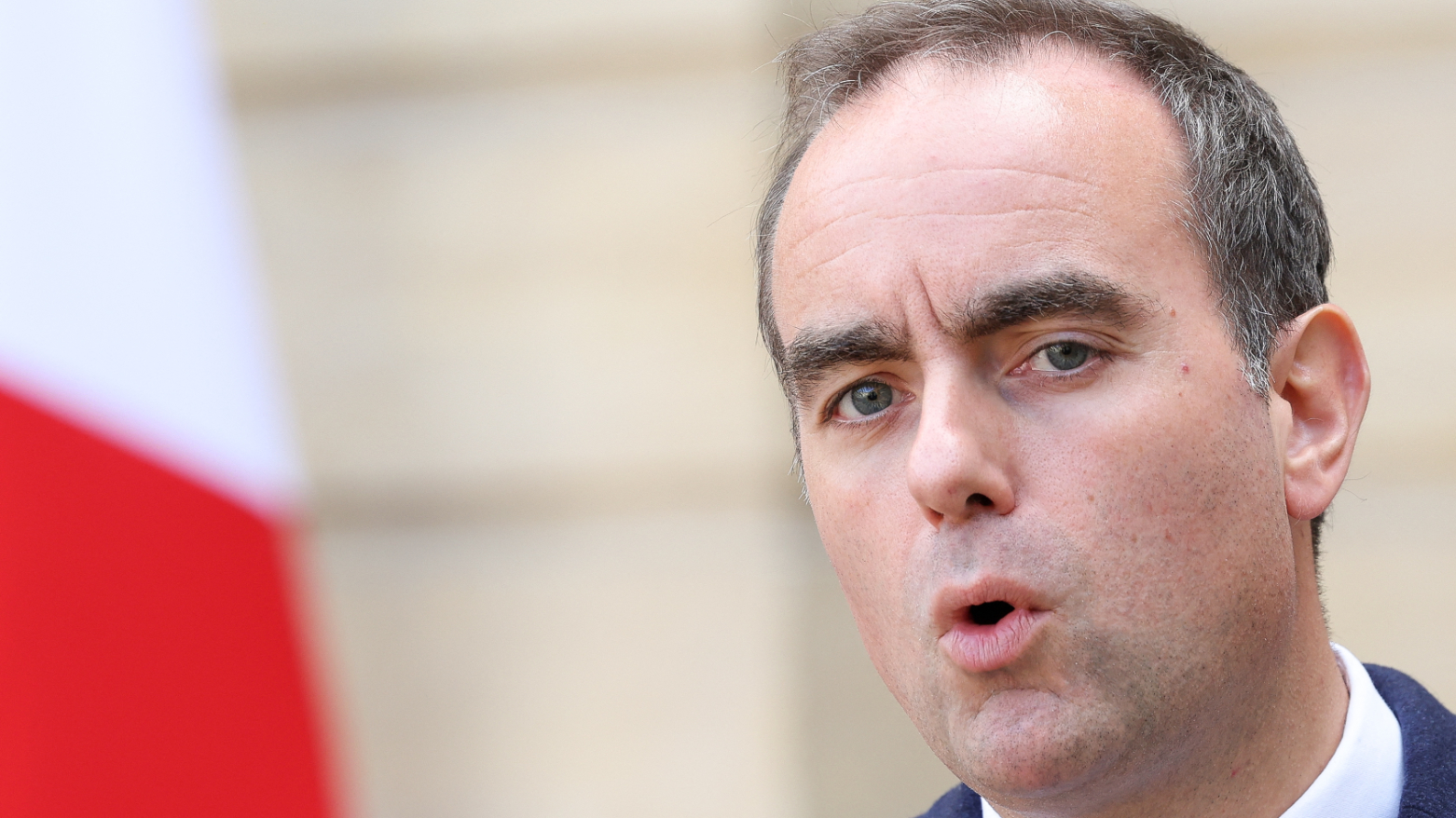
ERBIL (Kurdistan24) - French Prime Minister Sébastien Lecornu asked regional authorities on Monday to impose partial and localized curfews in areas hit by weekend violence, while saying a state of emergency remains an option if authorities determine stronger measures are necessary.
The move follows days of riots, looting and arson that developed on the margins of nationwide demonstrations over the cost of living, education and deteriorating public services.
"I am absolutely determined to restore order," Lecornu said after a government crisis meeting.
He said declaring a state of emergency would remain possible "if necessary," but described targeted curfews as better suited to the current situation.
Lecornu did not specify which cities would be covered or exactly how the measures would operate. He ruled out placing the whole of Paris under curfew.
The restrictions are intended in part to protect shops and other businesses after hundreds were attacked or looted during the weekend.
The government's move follows an acknowledgment by Interior Minister Laurent Nunez that police had lost control in some cities.
Nunez cited a "lack of anticipation" and offered his resignation, but President Emmanuel Macron rejected it and instructed him to review intelligence and operational failures and develop new methods for responding to further disorder.
According to figures cited by a previous Kurdistan24 on Monday, nearly 2,400 people were arrested during the weekend unrest and almost 1,000 police officers and gendarmes were injured, seven seriously.
Read More: France Admits Policing Failures After Weekend of Violent Unrest
The violence occurred around much larger demonstrations that were predominantly peaceful.
French authorities estimated that about 550,000 people joined Saturday's protests nationwide, while organizers put participation at approximately 800,000.
The movement began with high school students demanding better funding, more teachers and improved conditions before expanding to university students, trade unions, Yellow Vest activists and people protesting against rising living costs and pressure on public services.
Kurdistan24 correspondent Sangar Akrayi, reporting from Paris during the earlier demonstrations, spoke with students who cited shortages of teachers and equipment, overcrowded classrooms and cuts affecting education and other public services.
Violent groups later exploited the larger demonstrations, according to French authorities.
Masked individuals attacked businesses, police and public buildings. Limoges' 19th-century city hall was largely destroyed by fire, while a tourism office in Lyon was set ablaze and shops were looted in several cities.
AFP journalists Juliette Vilrobe and Emmanuel Peuchot, working with reporters across France, documented attacks on municipal buildings and commercial properties during the unrest.
Macron has condemned the destruction while distinguishing between peaceful demonstrators and those involved in looting and violence.
The European Union made a similar distinction Monday.
EU spokesman Markus Lammert said the right to peaceful demonstration "must be protected," while describing the arson, attacks and looting as unacceptable.
"Those who demonstrate peacefully must not be conflated with those who commit violence," he said.
The European Commission is also in contact with France's ARCOM media regulator over the role of social media and video-sharing platforms.
EU officials said platforms are expected to enforce digital rules concerning content that may manipulate information or incite violence and to notify authorities when they become aware of suspected criminal activity.
France is simultaneously facing scrutiny over police tactics.
A 17-year-old boy lost a hand in Saint-Etienne following an incident involving a crowd-control grenade, while prosecutors in Mulhouse opened an investigation after a 17-year-old girl lost an eye.
The government has largely attributed the rioting to radical far-left groups and criminals operating around legitimate protests.
Political pressure has also grown ahead of France's 2027 presidential election, with both the right and left criticizing the government's handling of the crisis while differing sharply over its causes and response.
For Lecornu, the immediate priority is preventing another night of widespread destruction without imposing emergency restrictions across the entire country.
For now, that means local curfews rather than a national state of emergency.
But his comments made clear that the government is keeping stronger legal powers available should authorities conclude that the localized measures are insufficient to restore order.