Families Receive Remains of 47 ISIS Victims in Mosul
The remains of 47 people killed by ISIS in Hamam al-Alil in 2016 are being returned to families in Mosul after forensic identification.
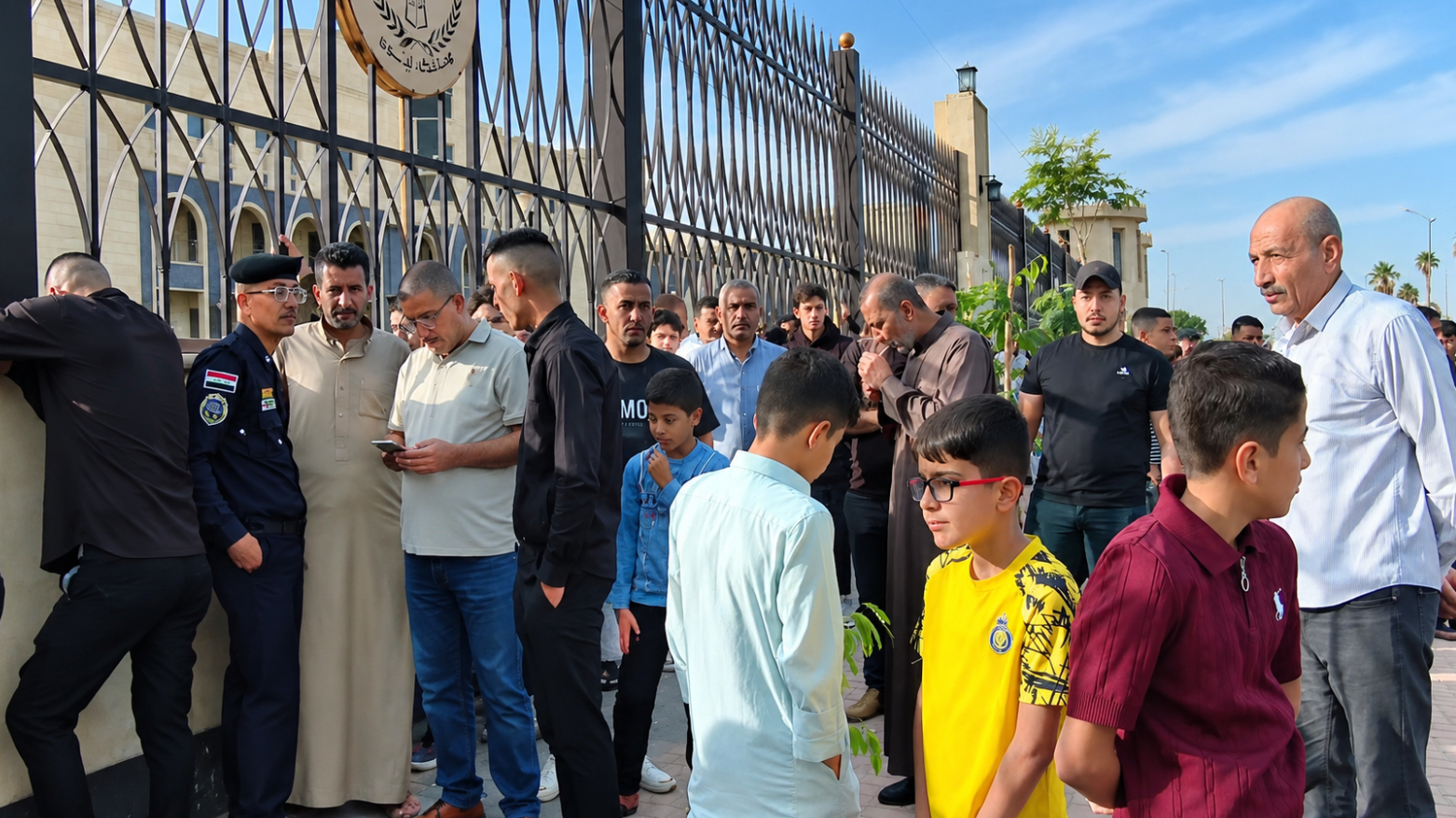
ERBIL (Kurdistan24) - The remains of 47 people killed by ISIS in 2016 are being returned to their families in Mosul on Tuesday, nearly a decade after the victims were taken from the Hamam al-Alil area and massacred during the group's rule over Nineveh.
Kurdistan24 correspondent Darman Baadri, reporting from Mosul, said a handover ceremony was being held on Oct. 20 in the square in front of the Nineveh Governorate building.
The identities of the 47 victims had previously been established through forensic examinations, allowing their remains to be returned to relatives.
Most of those killed belonged to the Jabbour tribe and lived in Hamam al-Alil, south of Mosul, according to the report.
During ISIS control of the area in 2016, they were gathered at the College of Agriculture before being massacred. The victims included both civilians and police personnel.
For some relatives, however, the long-awaited return of the remains was accompanied by anger over how the families were treated during Tuesday's ceremony.
One relative told Kurdistan24 that families had been left waiting on sidewalks without a designated reception area and said even drinking water had not been provided.
The relative accused the relevant state institutions of failing to show sufficient respect for the victims' families.
They said their only wish was to receive the remains and leave, describing the arrangements as inadequate and inconsistent with the sacrifice of those being returned.
The complaint added another layer of frustration for families who have waited years for identification and burial after ISIS crimes left thousands of families across Nineveh searching for relatives.
ISIS captured Mosul in June 2014 and made the city the center of its rule in Iraq.
During nearly three years of control, the group killed large numbers of civilians, members of the security forces and soldiers, while targeting ethnic and religious communities and creating mass graves across Nineveh province.
The scale of those crimes means that even years after ISIS lost territorial control, families continue to live with unresolved questions surrounding missing relatives, unidentified remains and burial sites.
Iraqi forces, supported by the international coalition, launched the operation to retake Mosul and the surrounding province in late 2016.
After nine months of heavy fighting, during which large areas of the city were damaged, Iraqi authorities declared the end of ISIS rule in Mosul in July 2017.
The recovery of the city ended the group's territorial control there, but it did not end the consequences of its violence.
Tuesday's return of the 47 victims reflects that unfinished legacy.
For their families, identification and burial close one part of a long process. But the criticism voiced at the handover also shows that how victims are returned — and how their relatives are treated — remains part of the demand for recognition, dignity and respect.