IEA Sees Little Chance of Oil Market Normalisation in 2027 Amid Middle East War
“I personally don't see any credible pathway that 2027 will be a year of normalisation,” Fatih Birol told a conference organised by the Financial Times.
ERBIL (Kurdistan24) — The head of the International Energy Agency (IEA) said on Tuesday that there was little prospect of oil markets returning to normal in 2027 as the ongoing Middle East war continues to drive up energy prices and disrupt regional supplies.
“I personally don't see any credible pathway that 2027 will be a year of normalisation,” Fatih Birol told a conference organised by the Financial Times, citing disruptions to Gulf oil supplies following US and Israeli attacks on Iran last February.
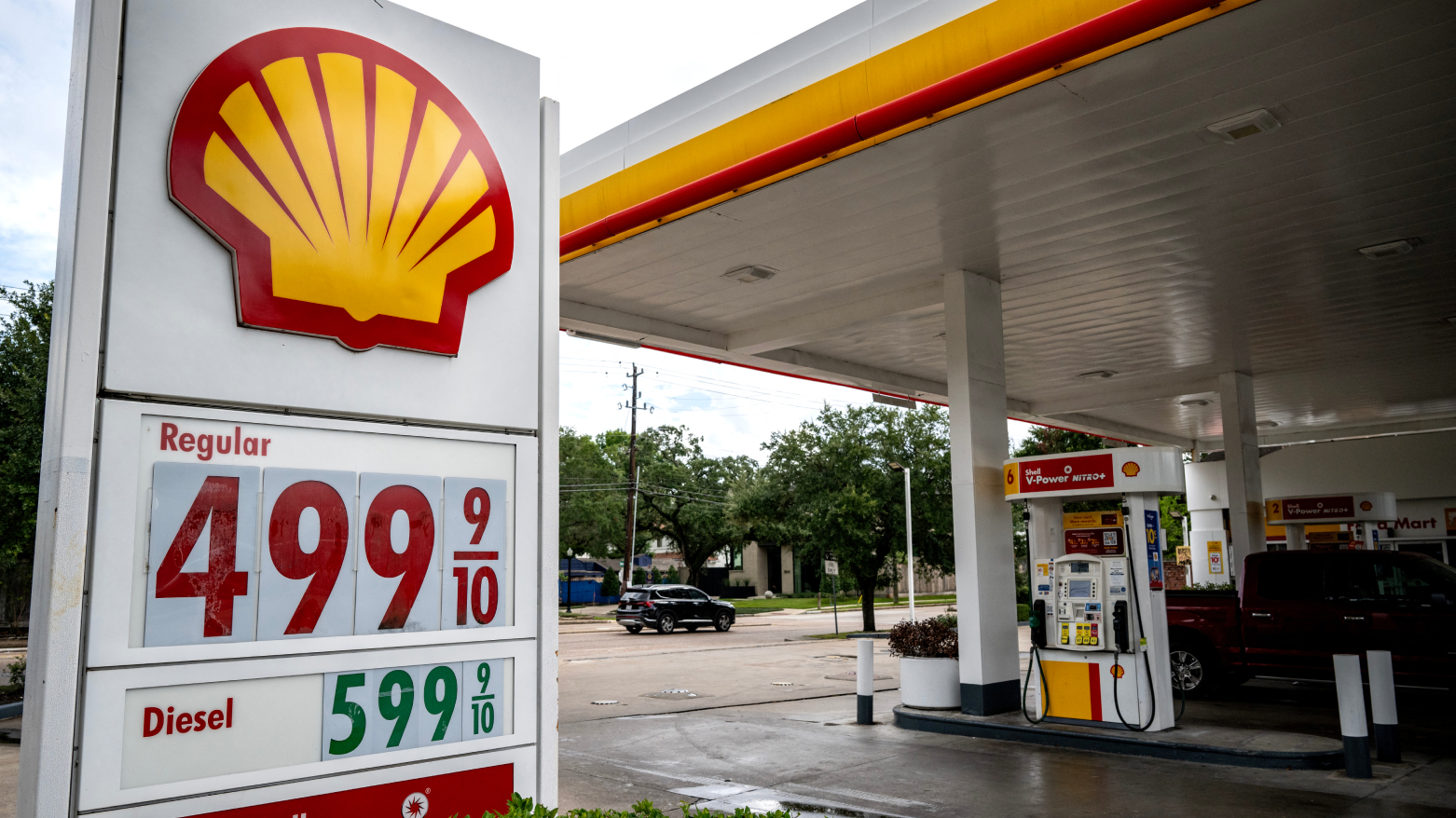
The conflict has pushed oil prices above $100 per barrel, compared with less than $70 before hostilities began. Damage to Gulf refineries has also contributed to diesel prices reaching record highs.
In response to the supply disruptions, the IEA has coordinated the release of up to 400 million barrels of oil from strategic reserves held by its member countries. Birol said further releases could be considered if circumstances warranted.
“It's a big thing, 400 million barrels, but it's only 20 percent of the oil we have — 80 percent is in the pocket,” he told the FT's Energy Transition conference, indicating that additional reserves remain available.
Birol also warned that renewed instability in the Middle East could prompt governments to consider further measures to address the energy crisis.
“If there's an overlapping crisis in the Middle East, I cannot exclude that our governments will look at the other options,” he said.
Iran has vowed to take control of tanker shipments passing through the Strait of Hormuz, a critical global energy transit route. The threat has increased maritime insurance costs, even as oil flows through the strait have reportedly returned to prewar levels in recent weeks.
Beyond the immediate energy crisis, Birol warned that the war was diverting international attention from climate change, despite growing concerns over the frequency and intensity of extreme weather events.
“Climate change is sliding down in the international policy agenda despite the number, the frequency, and the intensity of extreme weather,” he said.
“In a normal world... there'd be more interest, but it is going down,” Birol added.
Scientists have established that burning fossil fuels is a major driver of global warming, raising concerns that prolonged geopolitical instability could further weaken international efforts to address climate change.