Iran Says Burning Tanker Found In Hormuz Restricted Zone, CENTCOM Rejected
Iran's Navy says the tanker had disabled its tracking system and was attempting to transit the southern Hormuz corridor's restricted zone, while CENTCOM says Iran is using missiles and drones in its aggression in the strait, not mines
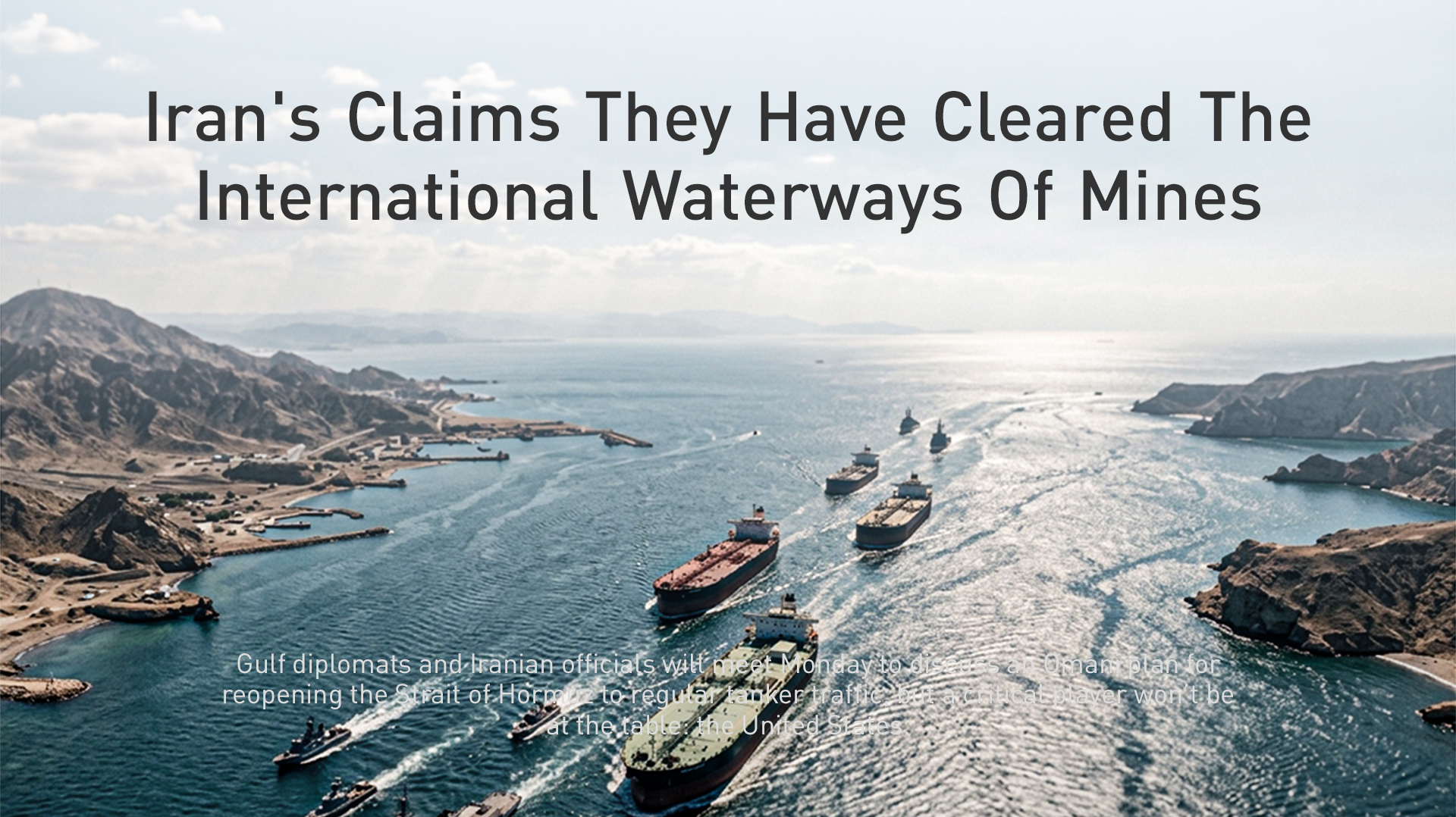
ERBIL (Kurdistan 24) - Iran's Navy announced on Tuesday that it had identified a burning tanker that had been struck in a restricted zone in the eastern Strait of Hormuz, saying the vessel had disabled its tracking systems and was attempting to transit the restricted zone in the southern Hormuz corridor, as CENTCOM's spokesman simultaneously rejected Iranian claims that tankers are striking mines in the strait, saying the international waterways have been cleared of mines and that Iran is using missiles and drones in its aggression.
"Today we identified a violating tanker that had caught fire in the restricted zone in the eastern Strait of Hormuz," Iran's Navy said.
The tanker had disabled its tracking systems and intended to transit the restricted zone in the southern corridor of Hormuz.
CENTCOM's Direct Rejection
CENTCOM's spokesman was categorical in response. "Iranian claims that tankers are hitting naval mines in the Strait of Hormuz are false," he said. "We have cleared the international waterways in the Strait of Hormuz of mines. Iran uses missiles and drones in its aggression in the Strait of Hormuz."
The CENTCOM statement is the first direct American denial of the mine narrative that Iran and the IRGC have consistently deployed to explain tanker strikes in the strait throughout the conflict. The IRGC previously told SNNTV that any vessel attempting to transit would be hit, "either we strike it or it hits a mine itself," and the Houthi military spokesman Sardar Hussein Mohebbi described the mine threat as one of the key indicators that the strait is closed. CENTCOM's statement that the waterways have been cleared of mines removes the mine narrative entirely, placing all responsibility for tanker strikes directly on Iranian missile and drone attacks.
The Tracking System Pattern
Iran's Navy's statement that the tanker had disabled its AIS tracking system before attempting transit is consistent with the pattern described in the second supertanker incident reported on October 17, when the IRGC said a tanker disabled its tracking equipment at the US military's instigation before hitting what Iran described as a mine. CENTCOM's clarification that mines are not responsible for the strikes suggests the vessels disabled their transponders for operational security reasons consistent with US military guidance to make it harder for Iran to locate and target ships using Chinese commercial satellite imagery, and were then struck by Iranian missiles or drones rather than mines.
This is the third tanker incident in the Strait of Hormuz to be reported in the past week, following the second supertanker mine strike reported on October 17 and CENTCOM's earlier confirmation that more than 1.3 billion barrels of oil have transited the strait under US military escort since the conflict began. The frequency of incidents underlines that despite the volume of oil moving through the strait under American protection, the waterway remains a contested and dangerous operational environment.