U.S. Urges Iraq’s Al-Zaidi to Honor Commitments Made to Trump
“Our goal remains unchanged: a sovereign, secure, and prosperous Iraq that delivers for its people and strengthens the region,” the spokesperson said.
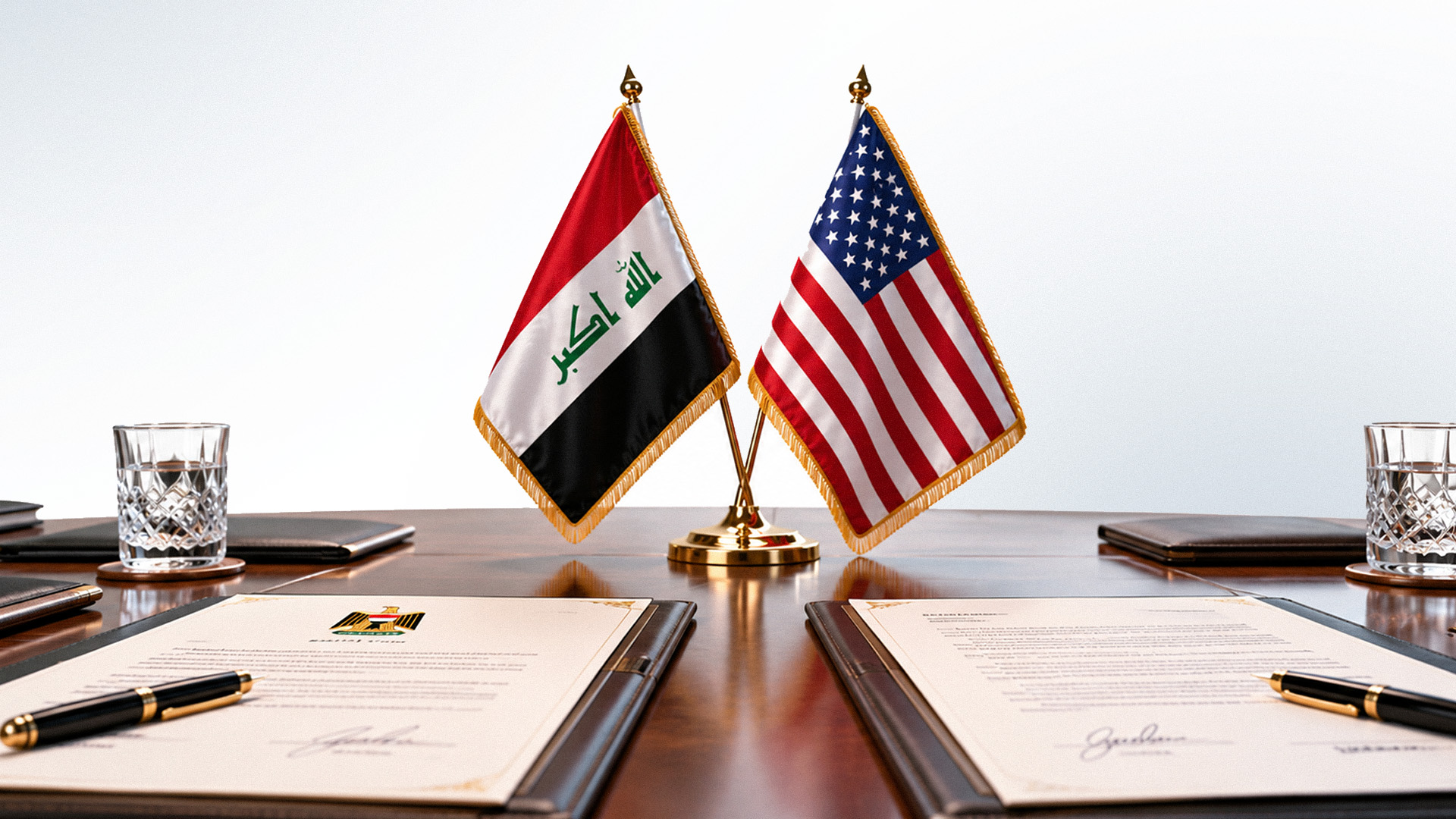
ERBIL (Kurdistan24) – The United States expects Iraqi Prime Minister Ali al-Zaidi to fulfill commitments he made to U.S. President Donald Trump in July, including countering terrorism, preventing attacks originating from Iraqi territory, and strengthening the bilateral partnership, the U.S. State Department told Kurdistan24.
“The United States expects Prime Minister Al-Zaidi to follow through on the commitments he made to President Trump in July: to counter terrorism, prevent attacks in and from Iraqi territory, and build a U.S.-Iraq partnership that serves both countries' interests,” a State Department spokesperson said in a response to Kurdistan24’s email inquiry.
The department also stressed that Washington’s broader objective remains a sovereign, secure, and prosperous Iraq, while sharply criticizing Iran’s role in the country.
“Our goal remains unchanged: a sovereign, secure, and prosperous Iraq that delivers for its people and strengthens the region,” the spokesperson said.
The U.S. official accused Iran of undermining Iraq’s sovereignty and exploiting the country’s resources through armed groups.
“Iran has no constructive role to play in this effort; it is an untrustworthy actor with a long history of using Iraqi militias to steal resources from the Iraqi people and threaten Iraq’s sovereignty,” the spokesperson added.
The Iraqi Prime Minister made his first official foreign visit to Washington, D.C., from July 13 to 18, meeting with the U.S. President at the White House. The visit aimed to advance bilateral relations, with discussions focusing on shifting the partnership from a primarily military relationship toward greater economic and energy cooperation.
The remarks underscore Washington’s emphasis on preventing attacks launched from Iraqi territory and limiting the influence of Iran-backed armed groups, while seeking a bilateral partnership that advances the interests of both countries.
Iraq has faced longstanding challenges in balancing its relations with Washington and Tehran, both of which maintain significant political, security, and economic influence in the country. The presence of Iran-aligned armed groups and attacks involving Iraqi territory have been recurring sources of tension between Baghdad and Washington.
The United States has repeatedly called on the Iraqi government to ensure that armed groups do not use Iraqi territory to threaten U.S. personnel, interests, or regional partners. Washington has also emphasized the importance of Iraq maintaining its sovereignty and preventing external actors from using its institutions and territory to advance their interests.
The State Department’s response signals that the U.S. administration expects the Iraqi government to translate its commitments into concrete action, particularly on counterterrorism, security, and the protection of Iraqi sovereignty.