US Says Threat to Americans Highest Since Iran War Began
The US is reducing embassy staff across the Middle East after intelligence officials warned that Iranian plots against Americans have reached advanced stages.
ERBIL (Kurdistan24) - The United States is reducing diplomatic personnel across the Middle East after intelligence agencies warned that Iran has intensified planning for attacks against Americans and that some plots have reached advanced stages, according to U.S. officials cited by The New York Times.
The report, by Edward Wong, Jonathan Swan and Julian E. Barnes, said diplomats and other federal employees across the region have been placed on heightened alert, with Washington ordering personnel to leave Saudi Arabia and adjusting staffing at other diplomatic missions.
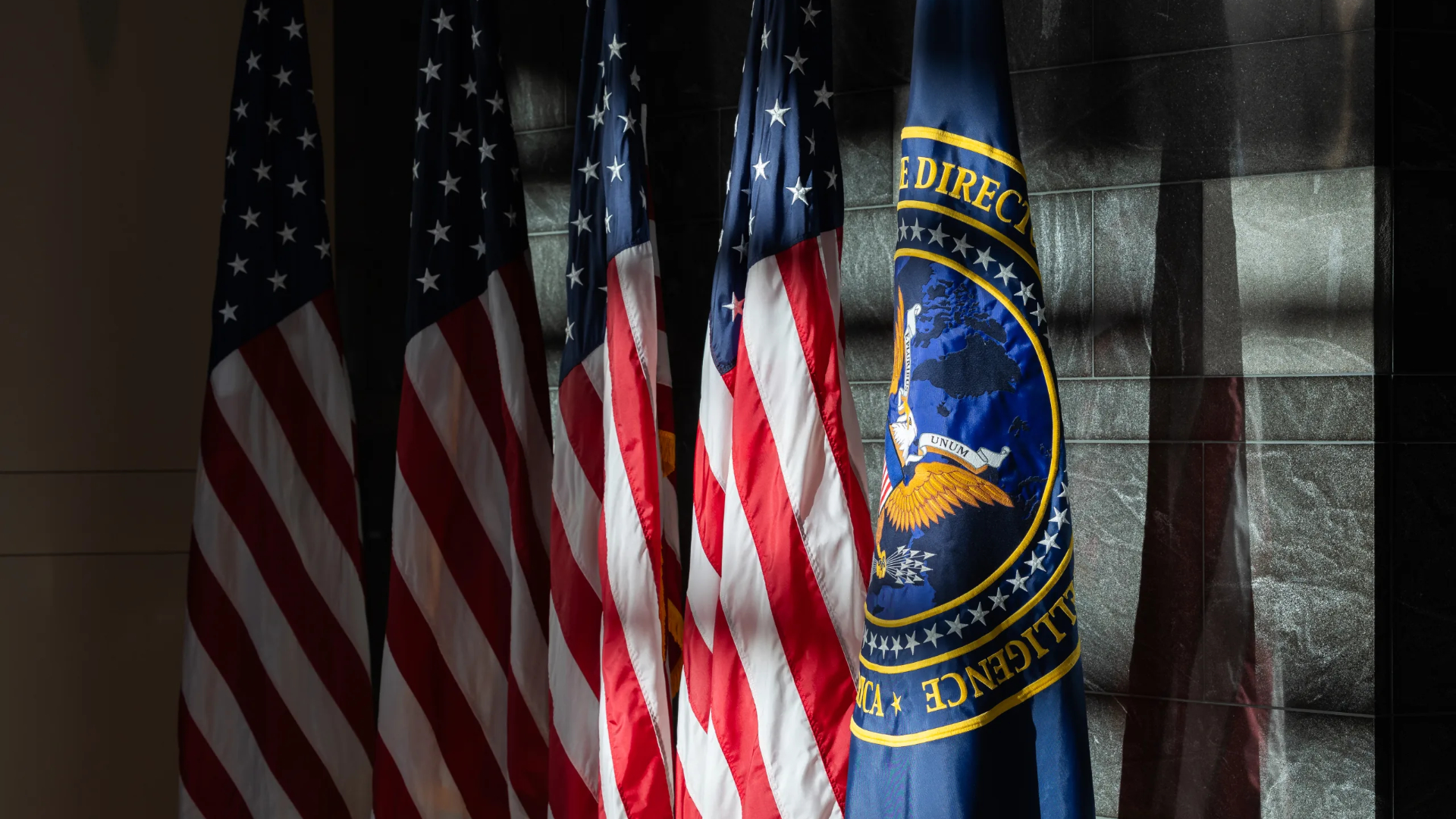
The intelligence assessment was conveyed Friday to Secretary of State Marco Rubio in a memorandum from Director of National Intelligence Jay Clayton, according to the Times.
The memo warned that Iranian efforts to target U.S. personnel had increased substantially and that lethal plots against American citizens had reached "advanced stages" in the Middle East and some other countries.
U.S. officials told the newspaper that agencies now assess the threat to Americans in the region and elsewhere as the highest since the U.S.-Iran war began in February.
The Trump administration confirmed the existence of the intelligence memo through a U.S. official, according to the report.
President Donald Trump and senior administration officials have been receiving regular briefings on the threat, which U.S. intelligence believes extends beyond the Middle East.
Officials cited by the Times said analysts have spent roughly three weeks examining intelligence concerning possible attacks against American officials, including ambassadors.
Some intelligence indicated that Iran may have operatives inside the United States, while potential targets in Europe were also being examined, according to the report.
One U.S. official, however, cautioned that Tehran's ambitions may exceed its actual ability to carry out attacks in the United States or other countries outside the region.
The allegations are assessments by U.S. intelligence officials. The material does not include an Iranian response to the latest claims.
The State Department said it continually reassesses embassy staffing according to changing security conditions.
A U.S. official told the Times that both Iranian attack plots and threats from Yemen's Houthi forces were influencing staffing decisions at diplomatic missions.
Many U.S. embassies in the Middle East are already operating under what the State Department calls "restricted operating status," allowing Washington greater flexibility to move personnel without repeatedly issuing public departure notices.
On Wednesday, the department ordered nonessential employees and family members to leave Saudi Arabia.
Officials said other missions in the region have also been quietly reducing or rotating personnel, with the latest moves directly connected to the new intelligence.
The security measures come as Washington and Israel continue weighing their next steps against Iran.
The Times reported earlier this week that U.S. and Israeli officials have developed plans for another round of strikes after the Nov. 3 U.S. midterm elections, though Trump has not made a final decision.
Trump said Friday that he had no information about a possible attack on Iran this weekend after U.S. envoy Tom Barrack said such a strike could "absolutely" occur.
Trump nevertheless kept the possibility of future military action open, telling supporters in Florida: "We may do another little Epic Fury."
The president has also previously indicated that large-scale military action would not take place before the midterms.
The current intelligence alert follows earlier Iranian threats that prompted U.S. military precautions.
According to the Times, all 12 U.S. B-1 bombers stationed at RAF Fairford in southern England were withdrawn in early October after commanders received information concerning a potential Iranian threat to the base.
Diplomatic staffing has also been repeatedly adjusted since the war began.
After the United States and Israel struck Iran on Feb. 28, Tehran responded with missile and drone attacks across the region.
On March 2, Washington ordered nonessential personnel to leave diplomatic missions in Iraq, Jordan and Bahrain. Similar measures were later taken in Saudi Arabia following attacks affecting Riyadh and nearby areas.
Türkiye, meanwhile, has warned against another military escalation.
Foreign Minister Hakan Fidan said Friday that any renewed attack on Iran would intensify regional tensions and argued that military action would not provide a solution.
He also called for the Strait of Hormuz to reopen as soon as possible, citing the damage the conflict and shipping disruption have inflicted on international energy markets.
The latest U.S. security measures therefore come at a particularly sensitive point: Washington is considering its military options, regional governments are warning against escalation, and U.S. intelligence agencies are simultaneously raising their assessment of the threat to American personnel.