US Agriculture Department: Iraq To Import Nearly 2 Million Tonnes Of Rice This Year
India leads global rice exports at 25 million tonnes, followed by Vietnam, Thailand, and Pakistan, while the Philippines tops importers at 5.6 million tonnes and Iraq ranks fifth globally with 2 million tonnes projected for the current year
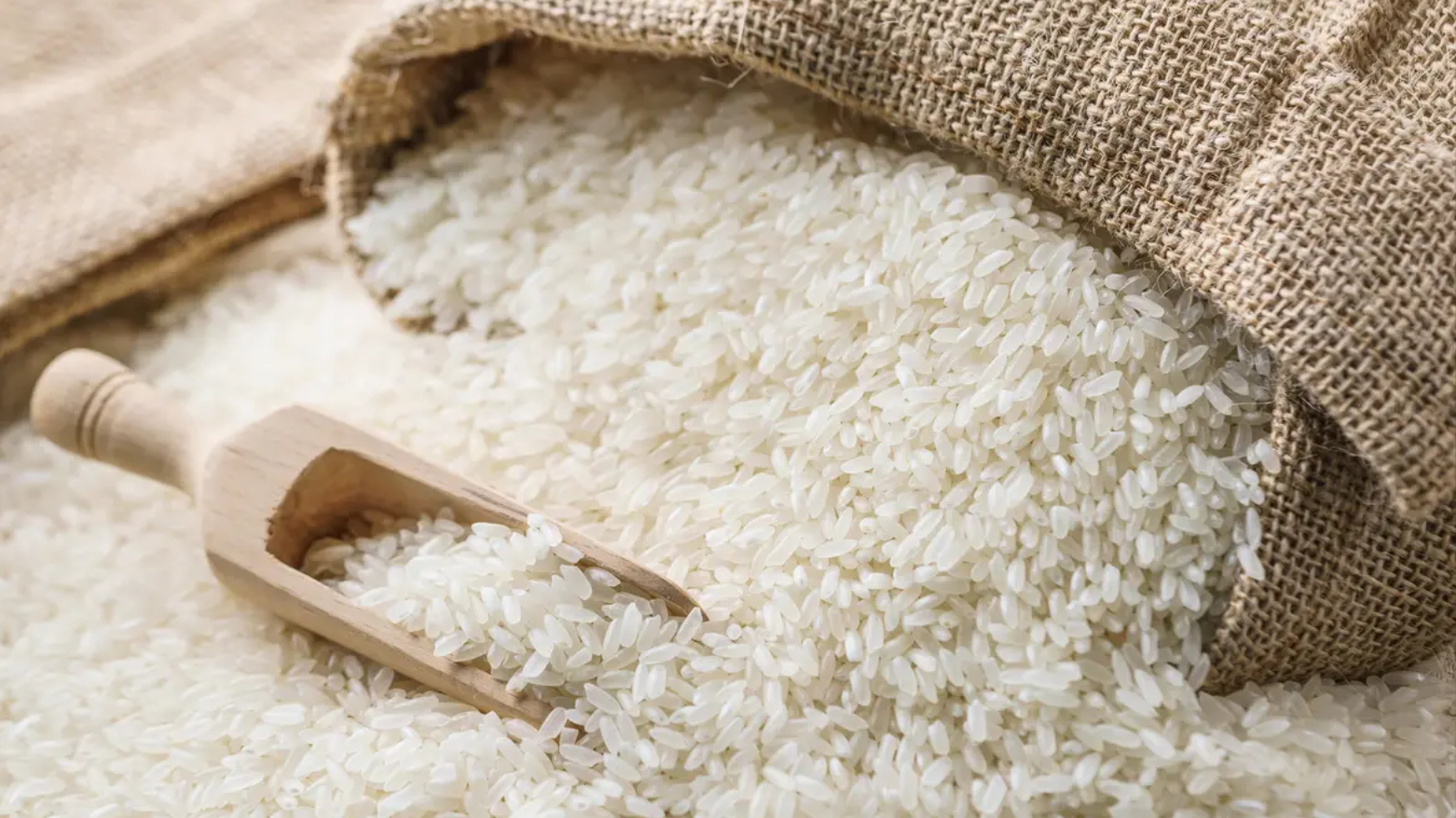
ERBIL (Kurdistan 24) - The US Department of Agriculture announced that Iraq is expected to import approximately 2 million tonnes of rice this year, maintaining its position as one of the world's most prominent rice importers, with the department's Foreign Agricultural Service data showing Iraq's imports have grown consistently year on year over the past three years.
According to the data published by the department, Iraq's rice imports are expected to remain stable with no significant change compared to last year. Historical data shows Iraq imported 2.181 million tonnes in 2024-25, up from 2.125 million tonnes in 2023-24 and 1.845 million tonnes in 2022-23, reflecting a steady upward trend in the country's rice import volumes across three consecutive years.
At the global level, the total volume of rice trade is expected to reach 63.125 million tonnes this year, compared to a projected 61.345 million tonnes for 2025-26, reflecting growing global demand for the staple crop.
Among the world's leading exporters, India ranks first with 25 million tonnes, followed by Vietnam at 8 million tonnes, Thailand at 7.5 million tonnes, and Pakistan at 5 million tonnes.
Among importers, the Philippines leads globally at 5.6 million tonnes, followed by Vietnam at 4 million tonnes, China at 3.3 million tonnes, Nigeria at 2.9 million tonnes, and Iraq at approximately 2 million tonnes, placing the country fifth among the world's largest rice importers.
Iraq's sustained and growing rice import volumes reflect the country's dependence on food imports to meet domestic consumption needs, a structural vulnerability that has been a consistent feature of Iraq's agricultural economy. The Kurdistan Region's Agriculture Minister Begard Talabani announced in December 2025 that agricultural investment in the Kurdistan Region increased from less than 2 percent to nearly 10 percent under the Ninth Cabinet's policies, driven by smart farming, water management, and food processing projects. The US Agriculture Department's data on Iraq's rice import trajectory underlines the scale of the food security challenge that domestic agricultural investment is working to address.