Four Days From Strategic Partnership To Airstrikes: The Syria-Jordan Crisis Timeline
Jordan’s interior minister said the church attackers were Jordanian nationals from one family, with no evidence of foreign coordination. The statement raises questions about Jordan’s airstrikes in Syria, conducted just four days after both governments pledged strategic partnership and respect for Sy
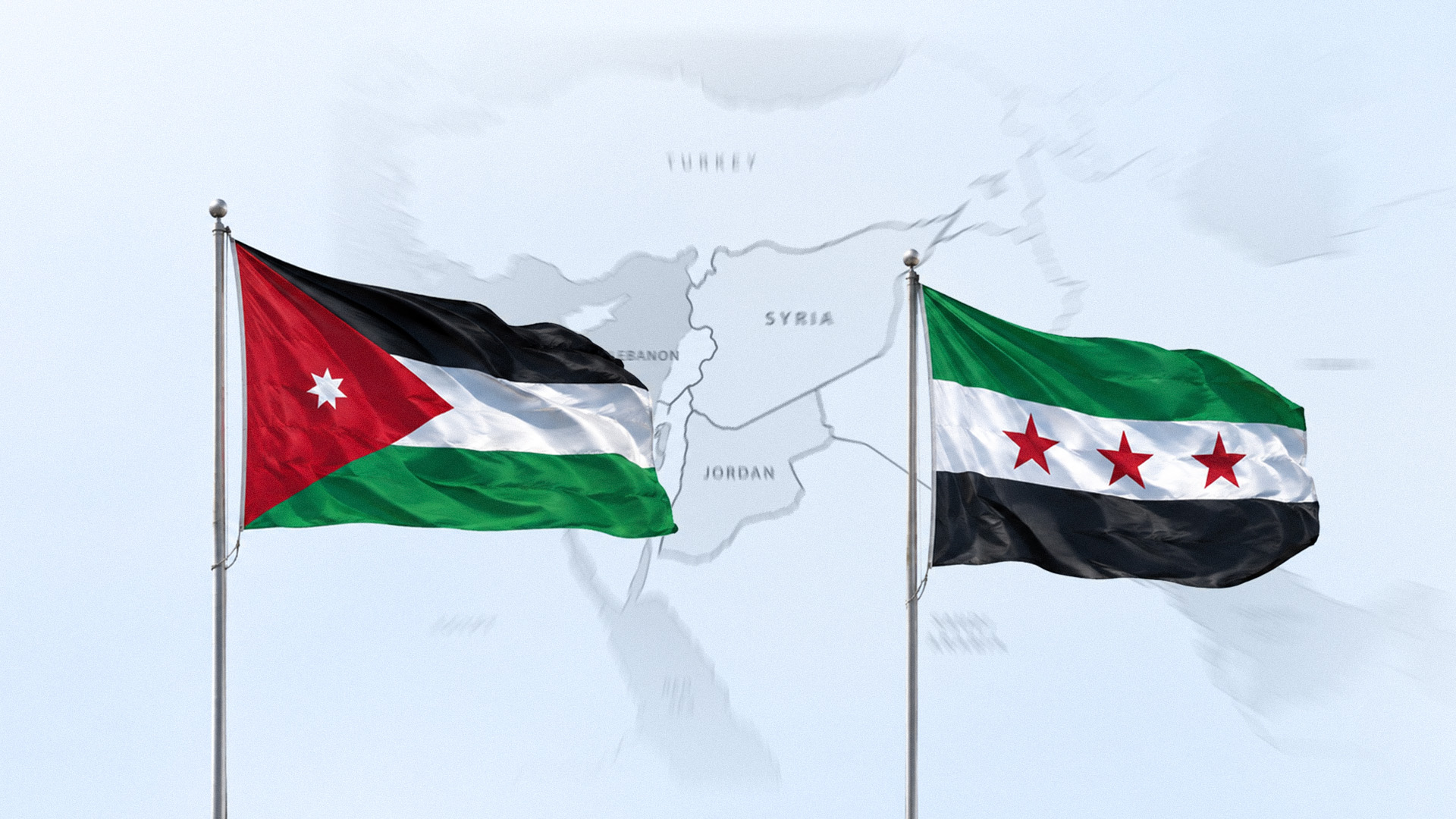
ERBIL (Kurdistan 24) - Four days separated Jordan and Syria's declaration of a strategic partnership from Jordanian warplanes striking Syrian territory, in a crisis that has become the first and most severe test of the new Damascus-Amman relationship and has exposed deep fault lines over sovereignty, coordination, and the use of force across a border the two governments had just pledged to treat as the foundation of a new bilateral era.
The Timeline:
● October 22: Strategic Partnership Declared: Syrian Foreign Minister Asaad al-Shaibani visited Jordan and the two sides issued a joint statement affirming the importance of developing bilateral relations into a strategic partnership across all fields, respecting the unity, sovereignty, security, stability, and territorial integrity of Syria. Both sides agreed to hold the third session of the Supreme Coordination Council in Damascus on November 8 and 9, and to strengthen economic cooperation on energy, water, and transport projects. The bilateral relationship had been progressing through joint security, military, and political committees.
● October 23: The Church Attack: Three gunmen attacked the Church of Saint George in the town of Hamoud in Jordan's Karak Governorate during a funeral ceremony attended by approximately 200 people. Nine people were killed and 25 others wounded.
● October 26: Attackers Arrested: Jordanian authorities announced the arrest of all three attackers following a confrontation in an abandoned house in Karak. The Director of Public Security revealed they are Jordanians from a single family, two brothers and their brother-in-law, describing them as holding Takfiri ideology.
● October 26: Interior Minister's Statement: Minister Mazen Al-Faraya confirmed that all three perpetrators are Jordanian nationals and stated: "There is no indication of any external communications on their part or cooperation with external parties." Investigations are continuing.
● October 26: The Jordanian Airstrikes: The Jordanian military announced the execution of an air operation named Jordanian Deterrence, Hamoud, targeting what it described as terrorist organization hideouts in southern Syria. Jordan said the strikes came as revenge for its martyrs in the church attack and asserted a connection between the attackers and those organizations, without naming the organizations or publishing detailed evidence of the connection.
● October 26: Syria's Response: Damascus announced the strikes caused casualties including civilians and children, confirmed no prior coordination had taken place, opened investigations, and initiated direct contact with Amman. The Syrian Foreign Ministry expressed complete reservation about the execution of military operations inside Syrian territory without prior coordination and expressed regret over victims in Daraa.
The Contradiction
The central tension in the crisis is the contradiction between Jordan's military justification and its own interior minister's public statement. Jordan struck Syrian territory citing the church attackers' connection to terrorist organizations in southern Syria. Jordan's own interior minister stated four days earlier that there is no indication of any external communications by the attackers or cooperation with external parties. The Jordanian military did not name the organizations it struck or publish detailed evidence connecting the church attackers to those groups.
The Diplomatic Damage
The strikes came four days after both governments pledged a strategic partnership and specifically affirmed respect for Syrian sovereignty and territorial integrity. Syria's Foreign Ministry's complete reservation about uncoordinated military operations on its territory, combined with the civilian casualties in Daraa including children, has placed the November 8-9 Supreme Coordination Council session in Damascus in doubt and tested the entire framework the two governments had just announced.
Syria closed the Nassib border crossing, the primary commercial artery between the two countries, citing field developments in Daraa as the direct consequence. The crisis has triggered social media debate between those defending Jordan's right to respond to terrorism and those accusing Amman of violating Syrian sovereignty and targeting civilians.