Iran Says Oil Tanker Hit Naval Mines in Strait of Hormuz
“A few hours ago, an oil tanker in breach of regulations, having switched off its tracking systems and attempted to cross a prohibited and dangerous area east of the Strait of Hormuz, struck naval mines, causing damage and a fire,” the army said in a statement.
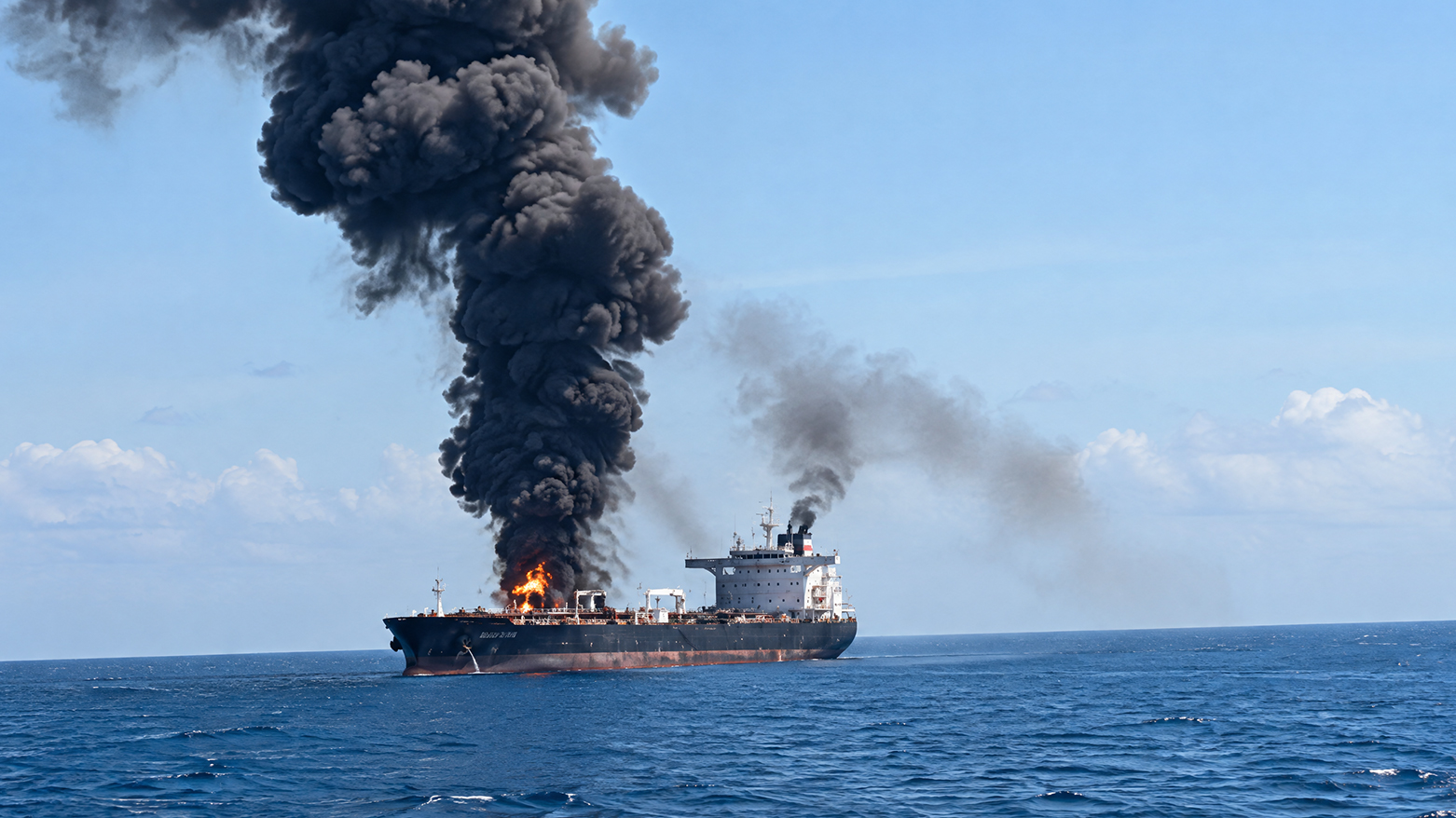
ERBIL (Kurdistan24) — The Iranian army said on Tuesday that an oil tanker caught fire after striking naval mines while attempting to cross the Strait of Hormuz through a route Tehran considers prohibited.
“A few hours ago, an oil tanker in breach of regulations, having switched off its tracking systems and attempted to cross a prohibited and dangerous area east of the Strait of Hormuz, struck naval mines, causing damage and a fire,” the army said in a statement carried by Iran’s official IRNA news agency.
The army did not identify the tanker or provide further details about the extent of the damage, the condition of the crew, or the circumstances surrounding the incident.
The Strait of Hormuz, located between Iran and Oman, is one of the world’s most strategically important maritime chokepoints, connecting the Persian Gulf to the Gulf of Oman and the Arabian Sea. It serves as a major transit route for global oil and liquefied natural gas shipments, making disruptions to shipping in the waterway a concern for international energy markets.
Since the Middle East war erupted on February 28, Iran has asserted control over the strait and targeted vessels attempting to transit without Tehran’s authorization, according to reports of the conflict.
The Iranian military has repeatedly reported that tankers struck naval mines while attempting to navigate areas it considers restricted. Such claims have heightened concerns over maritime security, the safety of commercial shipping, and the potential impact on global energy supplies.
The latest incident comes amid continuing tensions over access to the strategic waterway, through which a significant share of the world's oil supply normally passes.