Erbil Farmers Meet Strong Demand for Pumpkins as Halloween Season Arrives
Local farmers cultivate pumpkins across Erbil Governorate, supplying markets with a popular seasonal crop valued for its culinary uses, nutritious seeds, and growing cultural significance during autumn festivals
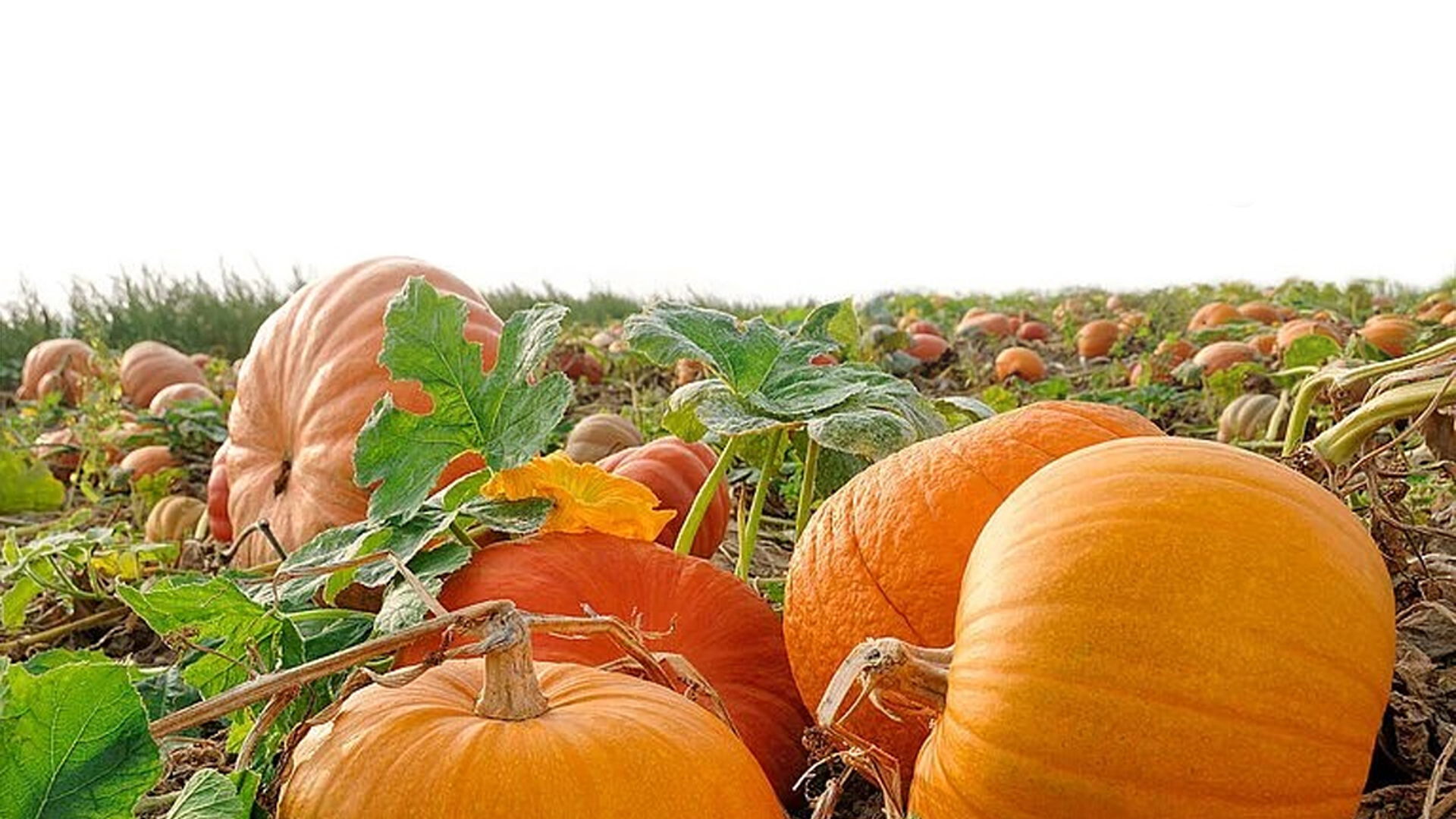
ERBIL (Kurdistan24) — Pumpkin production remains an important part of Erbil Governorate’s agricultural activity, with strong market demand for the crop and hundreds of tons produced annually, the governorate’s director general of agriculture told Kurdistan24 on Wednesday.
Hemin Sayid Murad said pumpkins, locally known by names including kudo, are cultivated across much of Erbil Governorate and regularly featured as a distinctive local product at agricultural exhibitions and festivals.
Explaining the reasons behind the crop’s popularity, Murad said pumpkins are widely used in everyday cooking, while their seeds are also in high demand as a snack. The produce is sold daily at wholesale markets across the governorate and remains consistently available to consumers.
According to Murad, many farmers are engaged in pumpkin cultivation, with production particularly concentrated in Taqtaq, Koya, Harir, and other parts of Erbil Governorate. He added that farmers have increasingly focused on the crop in recent years as demand has remained strong.
Pumpkins are among the notable summer and autumn crops grown across the Kurdistan Region. Their ability to withstand varying weather conditions and remain in storage for extended periods without quickly spoiling makes them a practical choice for farmers and a source of seasonal income.
Beyond their economic value, pumpkins are rich in nutrients, including vitamins and antioxidants. Their seeds are also widely consumed after drying and roasting, creating an additional source of revenue and helping sustain demand beyond the fresh produce market.
Pumpkins Take Center Stage in Halloween Traditions
Pumpkins have also become an internationally recognized symbol of autumn, particularly through their association with Halloween, celebrated annually on Oct. 31. In many countries, families and communities carve pumpkins into lanterns known as jack-o’-lanterns, often giving them frightening or humorous faces and placing candles or lights inside.
The tradition has roots in Irish and other Celtic folk customs associated with carving lanterns from turnips and other root vegetables. Irish immigrants carried versions of the practice to North America, where pumpkins—larger, widely available, and easier to carve—gradually became the preferred choice.
Today, pumpkin carving is a familiar feature of Halloween celebrations in the United States, Canada, the United Kingdom, and many other countries where the holiday has gained popularity.
Pumpkin displays, carving competitions, autumn festivals, and seasonal decorations have also helped turn the crop into a cultural symbol of the fall season.
Although Halloween traditions vary across countries and communities, the pumpkin’s distinctive shape and bright orange color have made it closely associated with autumn, harvest celebrations, and seasonal festivities.
For growers, the tradition also creates additional seasonal demand in markets where Halloween is widely celebrated.
In the Kurdistan Region, pumpkins are valued primarily as an agricultural product and a staple ingredient in local food traditions.
Their popularity in Erbil illustrates how a familiar crop can serve several purposes at once: supporting farmers’ livelihoods, supplying household kitchens, and connecting agricultural production with wider seasonal customs around the world.