Amed Olive Harvest Improves as Prices Rise Despite Higher Production
Amed markets, Northern Kurdistan, see a stronger Derik olive harvest, but prices rise as sellers cite transport costs, fewer trees and competition from cheaper Hatay olives.
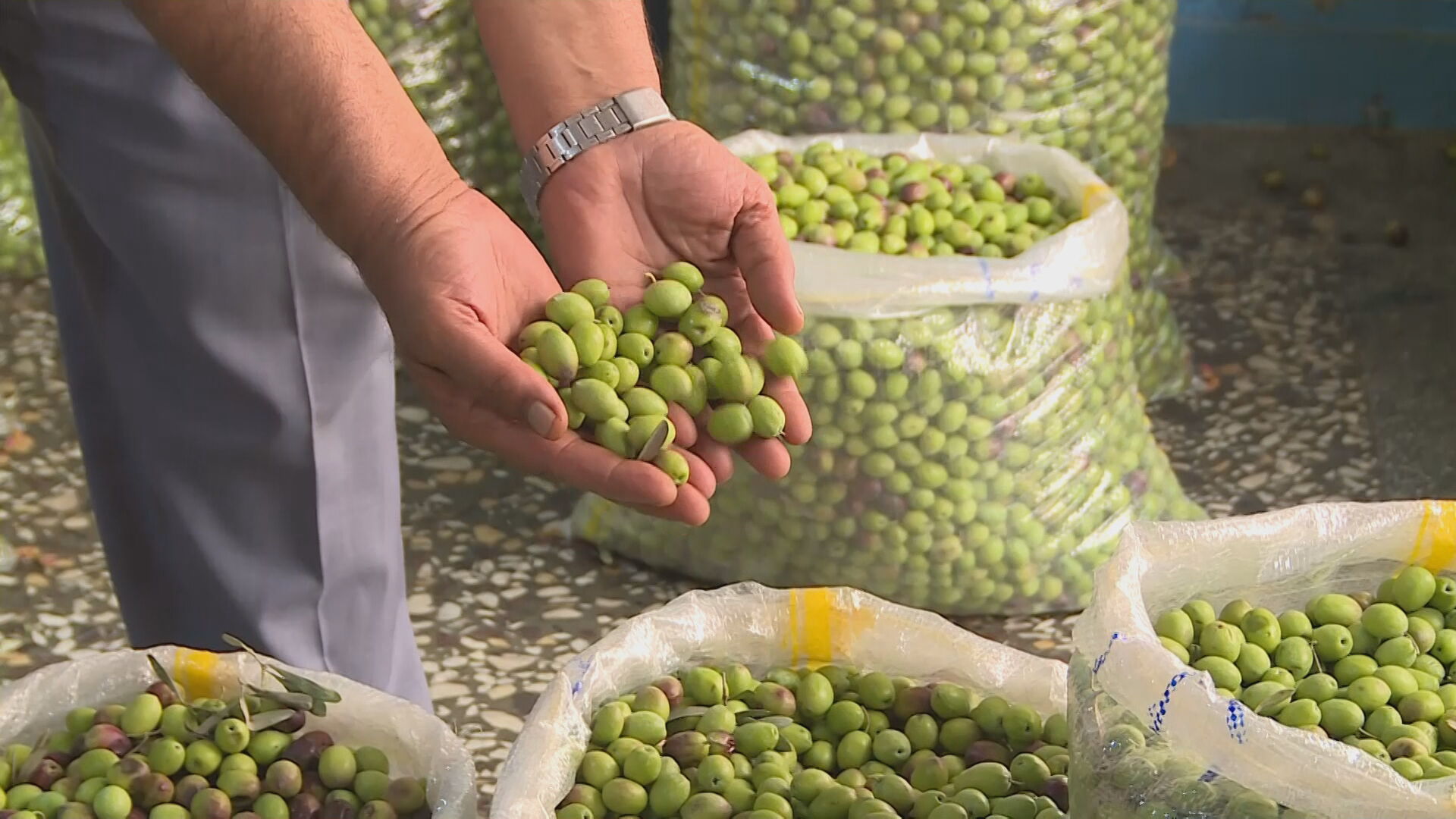
ERBIL (Kurdistan24) - Olive production in the Derik area has improved this season following more favorable rainfall, bringing a larger harvest to markets in Amed (or also known as Diyarbakir), Northern Kurdistan, even as shoppers face higher prices for the area's well-known varieties.
The arrival of October has brought fresh supplies of Derik olives to shops and stalls in Sur, Amed's historic market district.
Traders interviewed by Kurdistan24 correspondent Mahir Yuksel said this year's harvest was stronger than in recent seasons, when insufficient rainfall reduced yields from olive trees.
The recovery in output has not translated into cheaper olives.
Sellers said some Derik varieties that cost about 200 Turkish liras per kilogram last year now sell for around 300 liras, an increase of approximately 50 percent.
They attributed the price rise partly to higher transportation expenses and a declining number of olive trees in Derik.
For buyers, the distinction between where olives are grown and where they are sold has become an important part of the market.
Derik is about 90 kilometers from Amed, while Hatay, another source of olives reaching the city, is approximately 500 kilometers away. Despite the greater distance, cheaper supplies from Hatay compete with Derik's higher-priced crop.

One seller claimed that roughly 80 percent of the olives currently offered in Amed's markets come from the Iskenderun-Hatay area, with some marketed as Derik olives.
The estimate was the trader's own account rather than a verified market-wide figure, but it reflects concerns among sellers about how customers distinguish the two sources.
The same trader said genuine Derik olives were selling for between 6,000 and 7,000 liras per 23-kilogram measure. Prices vary according to the variety and quantity purchased, meaning customers may encounter different prices from one market stall to another.
Derik olives are sold in several varieties, including Khalhali, Mavi, Baluti and Malqabazi. Sellers describe them as particularly prized for their quality, although their comparisons with olives from other producing areas reflect the views of traders in the market.
To explain those differences, another seller described contrasting methods of preparing the fruit for eating.
Derik olives, he said, can be cracked and repeatedly soaked in fresh water, which is changed every two days, while olives brought from Hatay are softer and require more careful handling in brine.
"If you sweeten them too much, they become too soft and cannot be eaten," the seller said of the Hatay olives, describing the risk of overprocessing them before consumption.

Another trader compared the varieties in terms of oil production.
He said 3.5 kilograms of Derik's Khalhali olives can yield one kilogram of oil, whereas producing the same amount from the Gemlik variety sold from Hatay requires eight kilograms of fruit.
Those figures were presented as the seller's comparison, rather than the result of an independently documented test.

Some traders also point to the age of Derik's trees as part of the olive's reputation. One seller said certain trees are believed to be between 1,000 and 1,500 years old, although their ages were not independently established in the report.
The size of the harvest is closely tied to rainfall.
According to figures cited from the Amed Directorate of Agriculture, annual olive production in the area can exceed 70,000 tonnes in favorable years but fall to between 15,000 and 20,000 tonnes during periods of drought.
The variation shows how sharply growing conditions can affect supplies from one season to another.
This year's improved harvest follows seasons in which lower rainfall restricted production. Yet sellers say declining tree numbers and transportation costs continue to put upward pressure on prices, preventing the stronger harvest from delivering an equivalent reduction at the retail level.

Demand is not confined to Amed or neighboring cities.
Derik olives are also sold abroad, including in European markets such as the United Kingdom.
Yuksel reported that Derik olives had previously received a gold medal in a quality competition held in London, although the competition's date and name were not specified.
For now, shoppers in Sur are seeing both the benefits and the costs of the new season: a better supply of Derik olives, but prices that remain above last year's levels. The competing offers from Derik and Hatay leave variety, origin and affordability central to purchasing decisions.
