Over 6 Billion Dinars Drainage Project To Protect Qushtapa From Floods And Disease
The project includes six box culverts, a 700-metre box drainage channel measuring 2.5 by 3 metres, and 18,340 metres of concrete pipe drainage at various diameters, eliminating standing water that has caused disease, odour, road damage, and annual flood losses in the town's poorest neighbourhoods
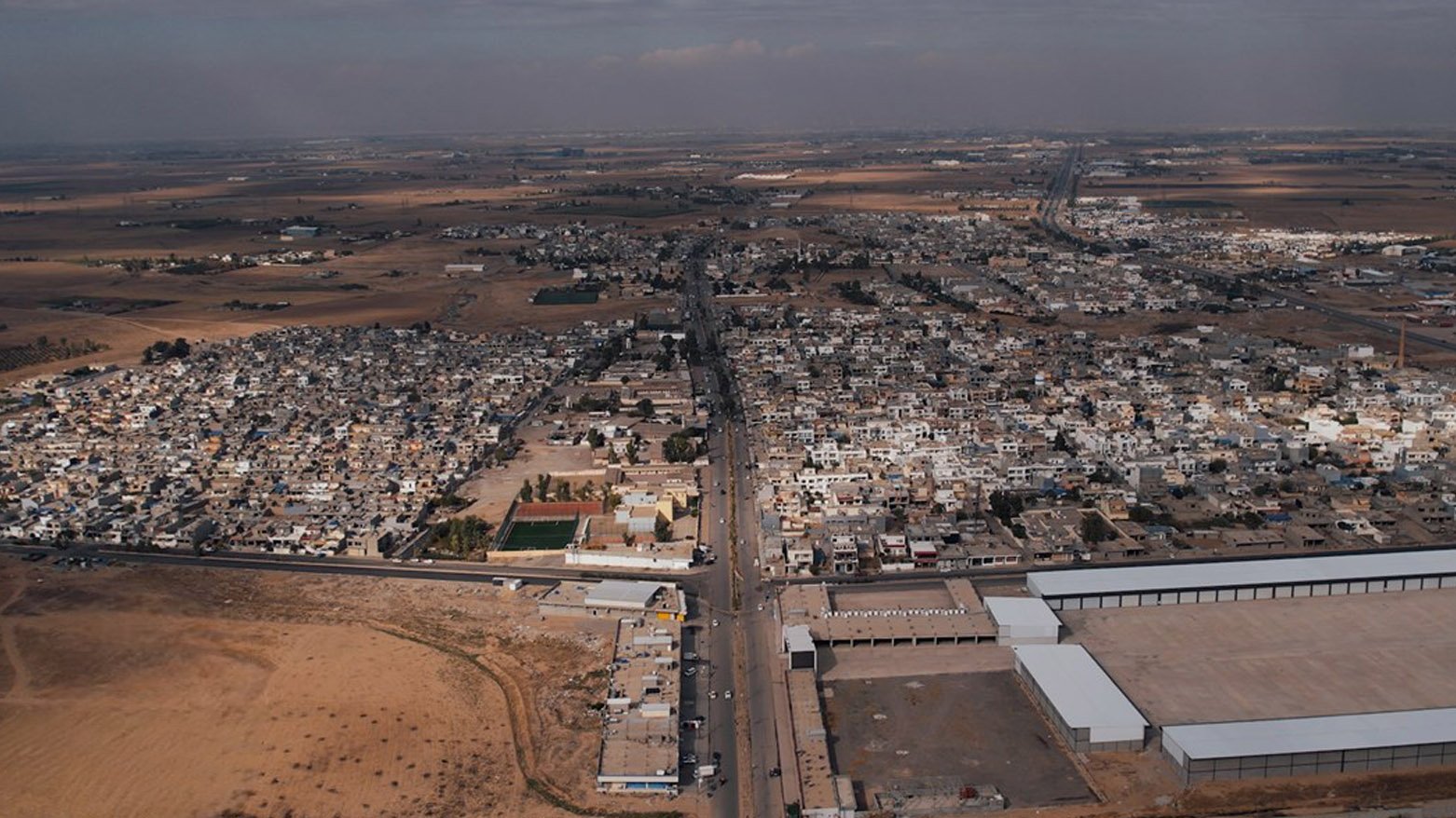
ERBIL (Kurdistan 24) - A box and pipe drainage infrastructure project worth more than 6 billion dinars is being implemented in the town of Qushtapa, Erbil Drainage Directorate Director Zardast Abdulkhaliq told Kurdistan 24, aimed at protecting the area from flood risk and providing a healthy environment for its residents, as part of the Ninth Cabinet's broader push to expand infrastructure and service delivery to all communities across the Kurdistan Region.
"This project is an important infrastructure project and will be implemented at a cost of more than six billion dinars," Abdulkhaliq said.
The project comprises six box culverts of various sizes, a box drainage channel measuring 2.5 by 3 metres at a length of 700 metres, and concrete pipe drainage at a length of 18,340 metres at various diameters.
The high capacity of the box culverts and the large drainage network for collecting and directing rainwater will fully protect Qushtapa's low-income areas, which for years have faced flooding and material losses every winter season. The project will also prevent the accumulation of standing water in streets, which has been a source of foul odour and the spread of mosquitoes, insects, and disease, providing a clean and healthy environment for residents. The elimination of water pools on roads will prevent road surface damage and make citizens' daily commutes to work and school easier and safer.
The Qushtapa drainage project is part of the Ninth Cabinet's sustained effort to modernize the Kurdistan Region's service infrastructure and close the gap between urban centers and smaller towns and low-income communities. PM Masrour Barzani's government has prioritized infrastructure investment as a pillar of its economic diversification program alongside industrial development, agricultural expansion, and tourism. The KRG Investment Board recorded $27 billion in investments across 926 projects under the Ninth Cabinet alone, with housing, tourism, and industrial sectors leading. The Roonaki electricity project decommissioned 3,689 generators and reduced CO2 emissions by 690 tones per day.
Four illegal refineries were shut in Erbil in a single week as part of an environmental enforcement drive. Industrial projects were launched in Zakho, Duhok, and Erbil in the same week, with PM Barzani announcing zero unemployment in Batel subdistrict as a direct result of the industrial investment policy.
The Qushtapa drainage project extends that same logic to basic service infrastructure, protecting the most vulnerable communities from the annual flood losses and public health consequences that have persisted for years in the absence of adequate drainage capacity.