Electronic Transactions in Iraq Surpass 25 Trillion Dinars, Observatory Says
Iraq's electronic payment transactions reached 25.4 trillion dinars through July 2026, with more than 10.8 million transactions, Eco Iraq Observatory reports.
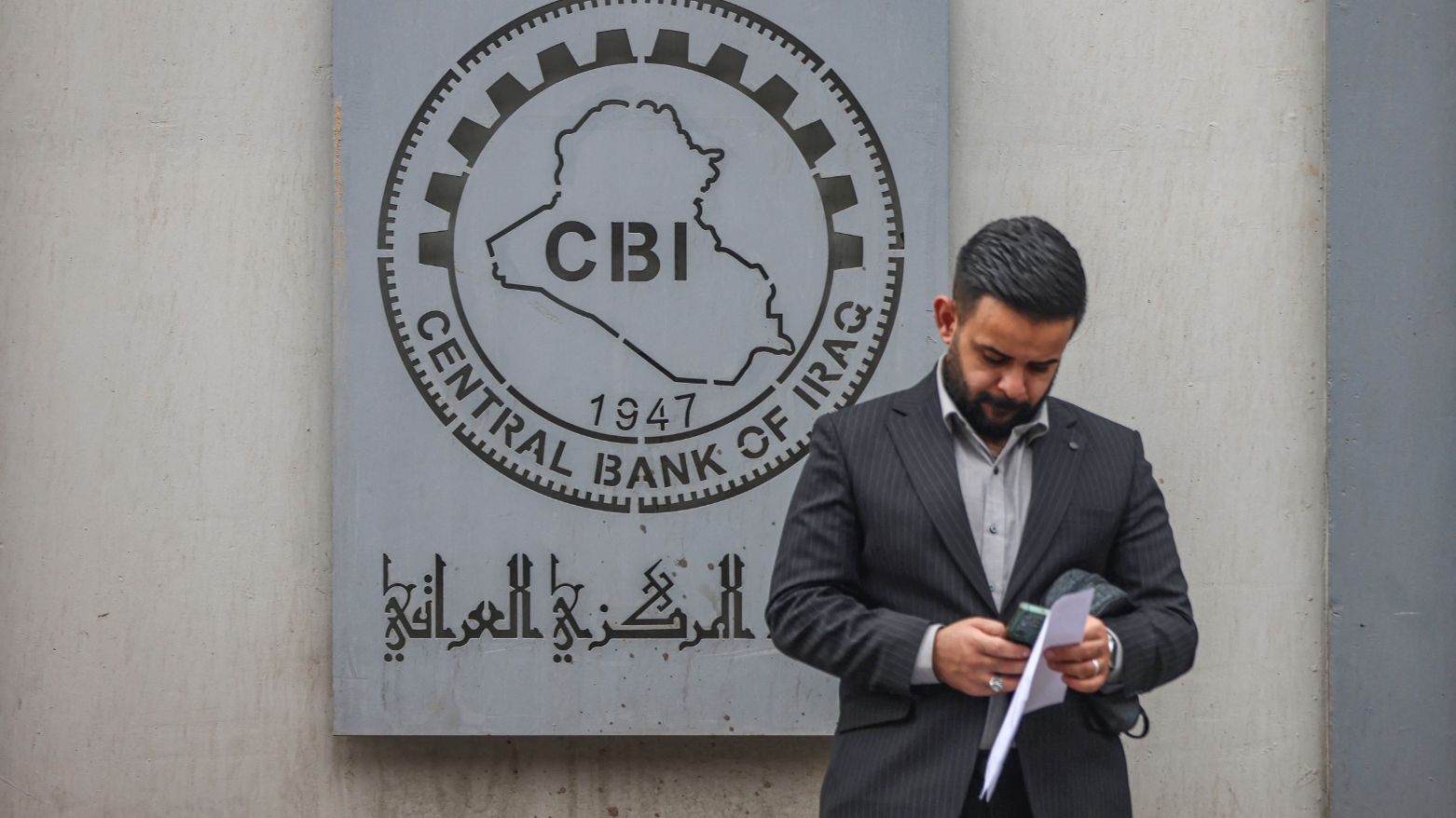
ERBIL (Kurdistan24) - Electronic payment transactions in Iraq totaled 25.4 trillion dinars in the first seven months of 2026, according to figures released Saturday by Eco Iraq Observatory, as the country expands the infrastructure supporting card and digital transactions.
In a statement issued Nov. 7, the observatory said more than 10.8 million electronic payment transactions were recorded from the beginning of January through the end of July. The figures cover the value and number of transactions processed over that seven-month period, rather than the entire year.
Eco Iraq also outlined financial indicators for 2025, when electronic payments totaled 32.8 trillion dinars across 14.6 million transactions. Of that value, 20 trillion dinars came from the collection of taxes and fees, the observatory said.
The two sets of figures relate to different reporting periods. The statement did not provide the corresponding January-to-July figures for 2025, making a direct year-on-year comparison for the first seven months unavailable.
The latest figures also offer a snapshot of the payment tools available across Iraq. According to Eco Iraq, there are now 37.6 million electronic payment cards in circulation and roughly 197,000 point-of-sale (POS) terminals used to accept payments from customers.
The observatory reported 3,015 automated teller machines (ATMs) and 15,000 cash-out points (POC), providing additional channels through which users can access funds. It counted 18 electronic payment companies operating in Iraq, including five offering digital wallet services.
Taken together, the figures suggest a payment system that extends beyond bank branches to commercial transactions and cash-access locations. They do not, however, establish how many people actively use the available cards or how often individual terminals are used.
Eco Iraq described the growing use of electronic payments as a positive move toward a digital economy. It said wider adoption could lessen dependence on cash, make financial transactions more transparent and bring more people into formal financial services.
The observatory did not provide a breakdown of payments by province, industry or payment method, leaving the distribution of digital transactions across Iraq unclear.
For now, the 25.4 trillion dinars recorded through July underscores the scale of digital payments already passing through Iraq's financial system, while the broader effects on cash use and financial inclusion remain to be measured.
Kurdistan24's news writer Jangawar Azeez contributed to this report.