Erbil-Baghdad Disagreements Delay Iraq's 2027 Federal Budget Approval
Iraq postpones its 2027 budget meeting to Nov. 10 amid Baghdad-Erbil disputes over the Kurdistan Region's budget share and oil-export requirements.
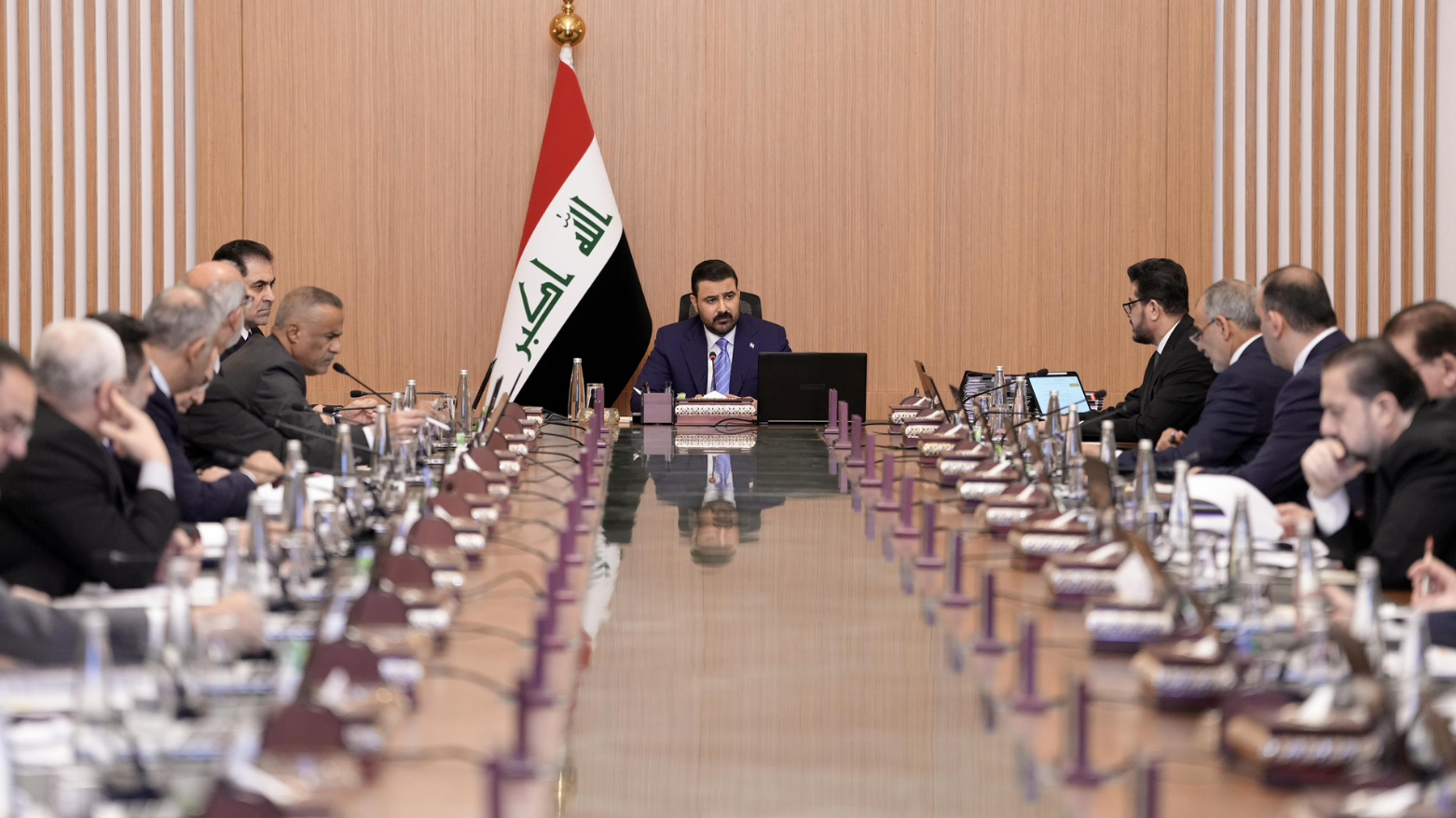
ERBIL (Kurdistan24) - Iraq's Council of Ministers has postponed a meeting scheduled for Saturday, Nov. 7, 2026, to approve the draft 2027 federal budget, as Baghdad and Erbil remain divided over the Kurdistan Region's financial allocation and a proposed oil-export requirement.
The special cabinet session has been rescheduled for Tuesday, Nov. 10, according to information obtained by Kurdistan24. Zuhair Fatlawi, a member of the Ishraqat Kanoon parliamentary bloc, told Kurdistan24 correspondent Shivan Jabari in Baghdad that disagreements over provisions affecting the Kurdistan Region were behind the delay.
The principal differences concern the percentage of the federal budget allocated to the Region and the volume of oil Baghdad expects it to export.
According to information obtained by Kurdistan24, the federal government has proposed a 12.67% budget share for the Kurdistan Region, alongside a requirement to export 450,000 barrels of oil per day.
The Kurdistan Regional Government (KRG), however, is seeking a 14% share and has told federal officials that it cannot meet the proposed daily export volume. No agreement on these disputed provisions had been reached as of Saturday.
Proposed Allocations and Deficit
Kurdistan24 has learned that the draft sets aside approximately 13 trillion Iraqi dinars for the Kurdistan Region in 2027. The allocation, according to the information obtained, would not be sufficient to cover the Region's salaries and other expenditures.
The reported percentage and the amount allocated are separate figures in the budget discussions. The precise calculation of the Region's effective share remains among the issues under negotiation.
The draft projects federal revenues of 174 trillion dinars against expenditures of 217 trillion dinars, leaving an estimated deficit of 43 trillion dinars. The Iraqi government plans to finance that shortfall through domestic and foreign borrowing.
Those figures remain part of a proposed budget rather than an enacted spending law. If the Council of Ministers approves the text, it must be forwarded to the Iraqi Parliament for debate, a vote and enactment.
Talks on Salaries and Financial Entitlements
The postponement follows discussions between Kurdish lawmakers and senior federal officials earlier in the week.
Sipan Sherwani, a member of the Kurdistan Democratic Party (KDP) faction in the Iraqi Parliament, told Kurdistan24 that a committee from the faction met a high-level federal government delegation on Thursday, Nov. 5.
According to Sherwani, the federal delegation included the deputy prime minister, the ministers of oil, finance and municipalities, and the head of the Federal Board of Supreme Audit.
He said the meeting focused on resolving the payment of salaries and securing the Kurdistan Region's share of the 2027 budget. The KDP delegation reviewed the provisions concerning the Region and presented its observations and proposed changes.
Sherwani described the objective as guaranteeing the Region's constitutional rights and financial entitlements, although he did not announce that the meeting had produced a final agreement.
The unresolved questions leave the timetable for approving the budget dependent on further negotiations. Tuesday's rescheduled cabinet meeting provides another opportunity for the federal government to consider the bill, but approval has not yet been secured.
For Erbil, the central concerns remain the level of funding available for salaries and expenditures and whether the proposed export obligation can be fulfilled. Baghdad's proposed terms, meanwhile, have yet to gain the KRG's acceptance.