Iraqi Ambassador Says Zaidi Made Unannounced Tehran Trip To Meet Ghalibaf
A visit of several hours on Friday focused on Baghdad’s mediation to end the US-Iran war, according to Iraq’s ambassador and Iranian media; Tasnim
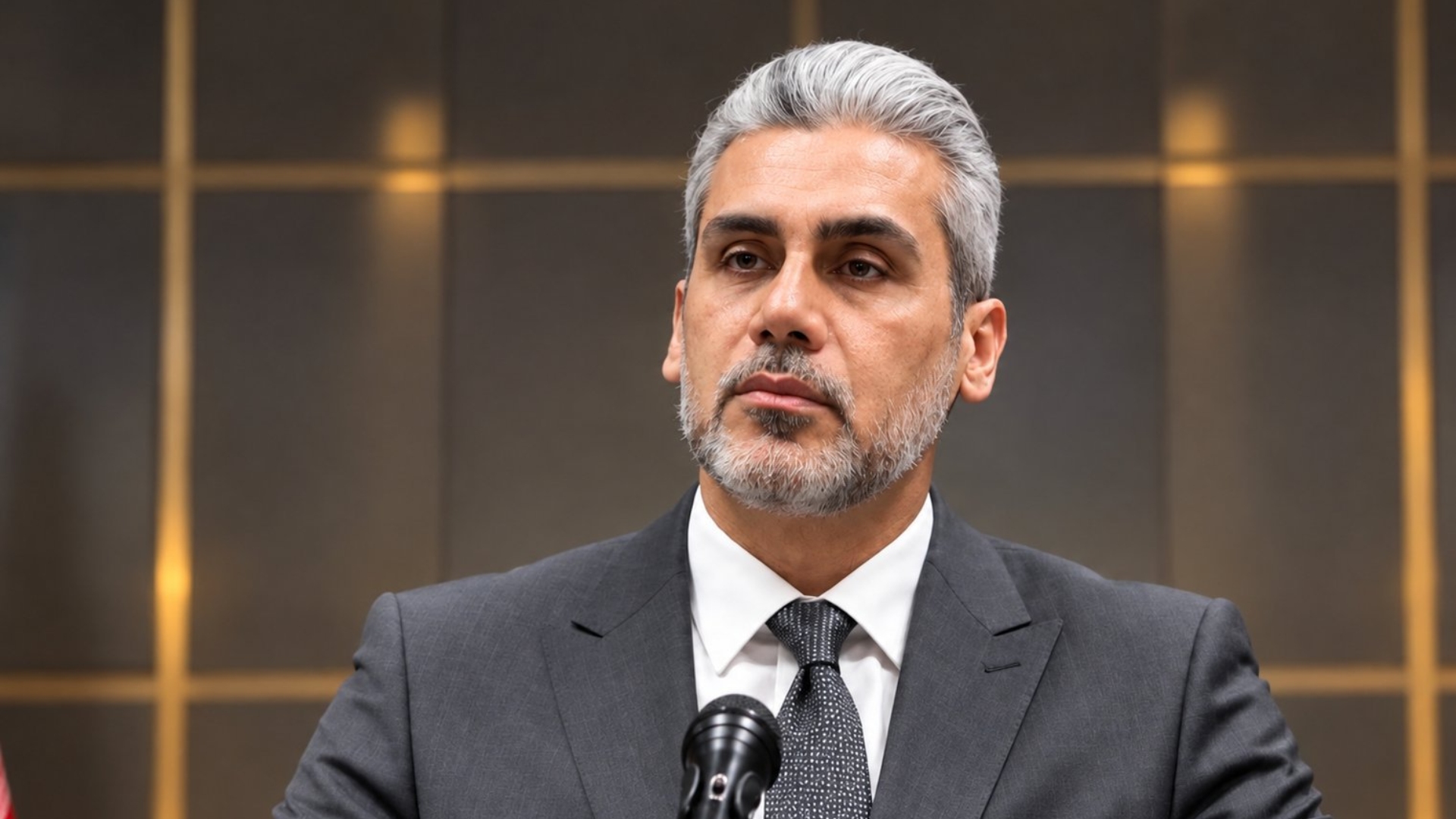
ERBIL (Kurdistan 24) - Iraqi Prime Minister Ali al-Zaidi made a special, unannounced visit to Tehran for several hours on Friday and met Iranian parliament speaker Mohammad Bagher Ghalibaf, Iraq’s ambassador to Tehran, Yasser Hajjaj, told media on Monday, according to Ambassador Hajjaj.
He said the aim was to reduce tensions in the region, as Baghdad continues its efforts as a mediator to end the war between Tehran and Washington. Neither government has publicly confirmed the details of the visit.
Iran’s Tasnim news agency, citing sources, reported that al-Zaidi met President Masoud Pezeshkian and Ghalibaf during the trip.
Iran’s Fars news agency, citing an informed source, reported that al-Zaidi and his delegation met Ghalibaf, who leads Iran’s negotiating team, and that the talks focused exclusively on Iraq’s diplomatic efforts to end the war, with no other issues discussed.
The source said Ghalibaf thanked Iraq for its efforts and stressed that Washington must respect Iran’s rights if negotiations are to move forward, according to Naharnet and Anadolu.
Al Hadath reported on Sunday, citing unnamed sources, that an Iraqi delegation conveyed a US message during an eight-hour mission, without naming its members or the message’s content.
Al Arabiya reported that President Donald Trump asked al-Zaidi to convey proposals to Tehran and approved proposals the Iraqi leader presented in their phone call on Thursday.
Iranian Supreme National Security Council Secretary Mohsen Rezaei said in recent weeks that an Iraqi delegation visited Tehran to mediate.
Al-Zaidi’s office said the prime minister and Trump spoke by phone on Thursday and discussed regional developments, and al-Zaidi said Iraqi territory would not be used to attack neighboring countries. The visit came as Iran says it can reopen the Strait of Hormuz within two days if Washington accepts its conditions, which include ending the US naval blockade, lifting sanctions and releasing frozen assets.
In July, al-Zaidi visited Tehran officially, and the New York Times reported that he carried a US ceasefire proposal that Iran rejected, which his office called “entirely unfounded” and Iran’s foreign minister also dismissed.
The US and Israel attacked Iran on February 28, killing Supreme Leader Ali Khamenei and several military commanders, and Iran responded by striking US positions in the region and Israel, in a war that lasted about 40 days. Delegations from the US and Iran then met in Islamabad under Pakistani mediation, but the talks did not end the war, and Washington imposed a naval blockade on Iran that remains in place.