Iraq PM Reviews Investigation into Khor Mor Gas Field Attack
Sabah Numan, spokesperson for the Commander-in-Chief of the Armed Forces, said in a statement that al-Zaidi had directed the relevant authorities to complete investigative procedures as soon as possible.
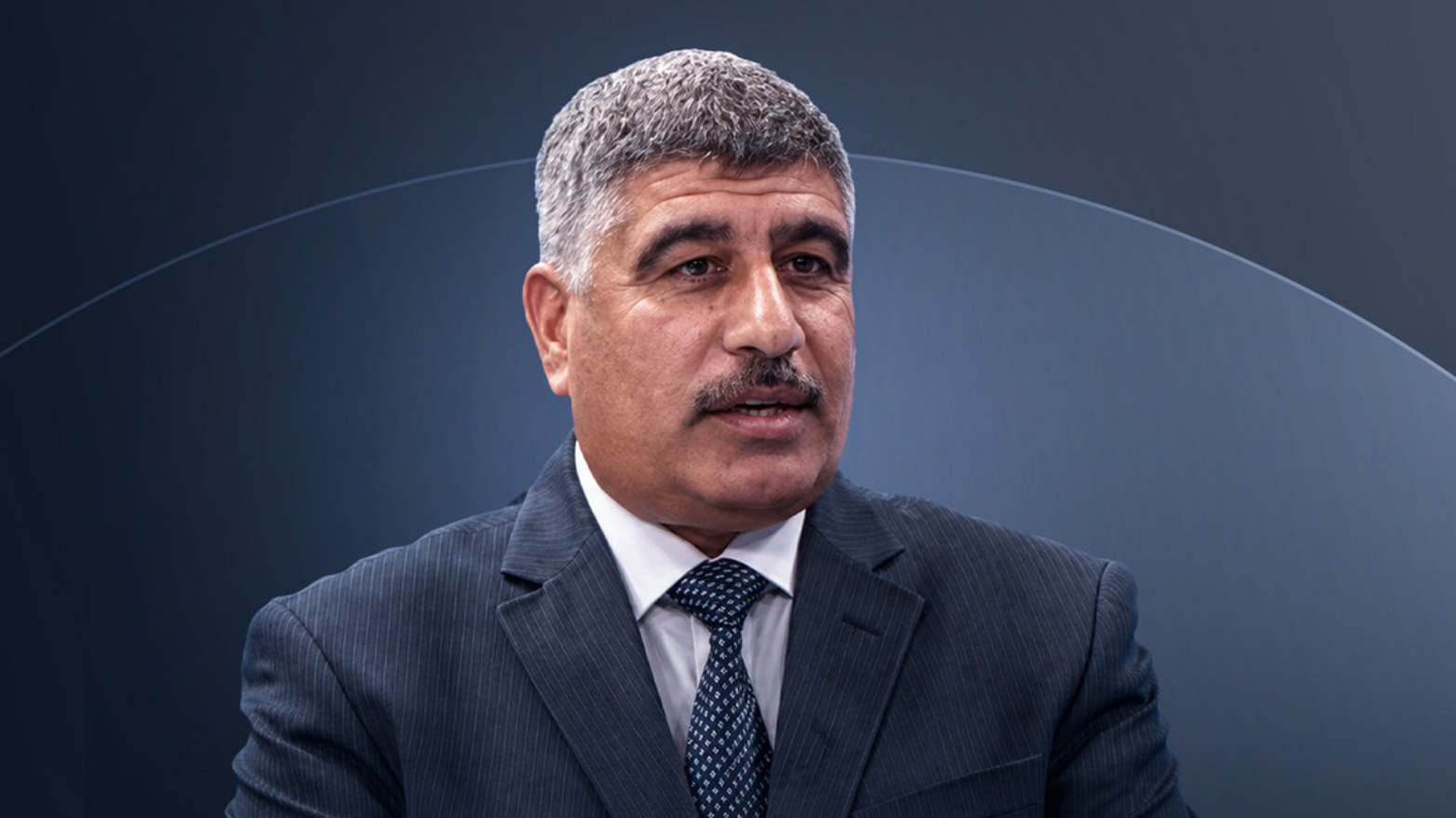
ERBIL (Kurdistan24) – Iraqi Prime Minister and Commander-in-Chief of the Armed Forces Ali al-Zaidi on Wednesday reviewed the progress of investigations into the drone attack on the Khor Mor gas field in the Kurdistan Region, instructing relevant authorities to expedite the investigation and submit a final report.
Sabah Numan, spokesperson for the Commander-in-Chief of the Armed Forces, said in a statement that al-Zaidi had directed the relevant authorities to complete investigative procedures as soon as possible.
Numan stressed that strict legal measures would be taken against anyone found to have been involved in the attack, adding that those responsible would be held accountable under the law to prevent similar incidents and protect vital facilities and their employees.
An explosive-laden drone struck the Khor Mor gas field at around 11:10 p.m. on Sunday, triggering a major fire and forcing the suspension of gas production. The field's operator, Dana Gas, confirmed that the fire had been extinguished and that no employees or security personnel were injured.
The attack targeted the liquefied petroleum gas (LPG) production unit in the Qadir Karam subdistrict of Chamchamal, Sulaimani province. The affected area, known as the "Old Field," had not previously been targeted, according to Kurdistan24 correspondent Harem Jaff.
The suspension of gas supplies initially reduced electricity generation by between 2,500 and 2,800 megawatts, triggering widespread power outages across the Kurdistan Region.
By Wednesday, electricity supply had recovered to 1,500 megawatts through hydropower from the Dukan and Darbandikhan dams and the use of alternative fuels, with priority given to hospitals and water stations, Kurdistan24 reported.