Iraqi Intelligence Report Details Oil Smuggling Route from Kirkuk and Sulaimani through Iran to Afghanistan
A Federal Intelligence and Investigation Agency document describes an alleged network moving crude oil and petroleum products from Kirkuk and Sulaimani through Iranian border crossings before re-exporting them to Afghanistan
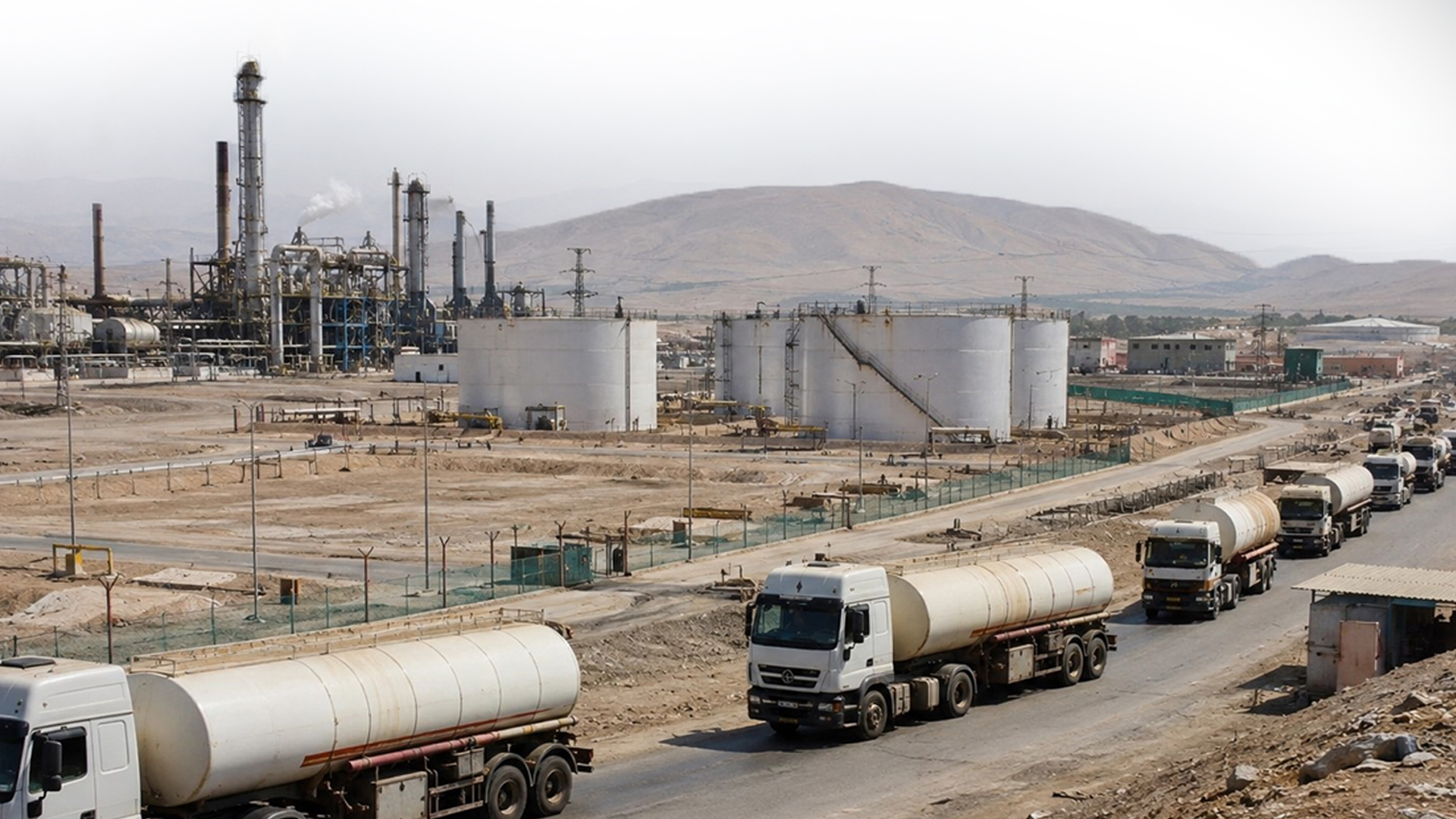
ERBIL (Kurdistan24) — An Iraqi intelligence report has uncovered an alleged oil-smuggling network transporting petroleum from Kirkuk and Sulaimani through Iran and onward to Afghanistan, prompting Iraq's Council of Representatives to establish a temporary parliamentary committee to investigate the operations and identify those involved.
According to a 14-page document issued by Iraq's Federal Intelligence and Investigation Agency, oil smuggling networks have evolved beyond the unauthorized transportation and sale of petroleum, expanding into operations involving the transformation of the origin of oil products and their reprocessing outside Iraq's official export system.
The report details what it calls the "Eastern Corridor," an alleged smuggling route originating from oil fields in Kirkuk and Sulaimani, through which petroleum allocations are initially documented as being delivered to several locations in Sulaimani before portions of the supplies are diverted into illicit distribution networks.
According to the document, crude oil and semi-processed petroleum products are subsequently transported in small and medium-sized tankers toward Iranian border crossings, particularly Bashmakh and Parwezkhan.
After entering Iran, the Iraqi petroleum is reportedly processed at small and medium-sized refineries or blended with Iranian petroleum products. The report links these activities to efforts to circumvent international sanctions and conceal the original source of the petroleum.
Afghanistan is identified in the intelligence document as a major destination for the re-exported products.
The report says Iranian cargo trucks transport the petroleum across border crossings, including the Mahirud crossing, into Afghanistan, where shipments are unloaded at storage facilities near Herat and Farah provinces.
Parliament moves to investigate alleged smuggling operations
Meanwhile, Iraqi Parliament Speaker Haibat al-Halbousi met on Wednesday with parliamentary committee heads to discuss the technical intelligence report concerning oil-smuggling operations in the Jurf al-Sakhar area, alongside intelligence information about alleged smuggling routes extending from Kirkuk and Sulaimani through Iranian territory to Afghanistan.
According to a statement from the speaker's media office, Halbousi instructed the formation of a temporary parliamentary investigative committee to examine the findings and investigate the reported operations.
The committee will be headed by the chair of the parliamentary Security and Defense Committee and include the heads of the Integrity, Legal, Finance, Oil and Gas, and Natural Resources committees, as well as representatives of the committees concerned with the Kurdistan Region and the provinces.
The investigation is expected to examine the intelligence findings, the alleged smuggling networks and the mechanisms through which petroleum products are diverted from official channels and transported across international borders.
The parliamentary move comes as the intelligence report raises questions about the oversight of petroleum allocations, cross-border transportation and the possible use of processing facilities to disguise the origin of Iraqi oil products.
The allegations come amid longstanding challenges facing Iraq in regulating its oil sector, where the scale of petroleum production, complex distribution arrangements, and extensive land borders create significant oversight and enforcement difficulties.
Oil revenues remain the backbone of Iraq’s public finances, making the protection of production, transportation, and export channels a major economic and governance concern.
The reported route also raises questions about the monitoring of petroleum allocations, the activities of transportation companies, and the use of cross-border processing facilities to conceal the origin of oil products.
The parliamentary investigation is expected to examine these aspects, verify the intelligence findings, and determine whether individuals or entities within or outside Iraq facilitated the alleged operations.