EU Spokesperson to Kurdistan24 English: Ukraine’s Security Is Fundamentally European Security
European Union reaffirms its commitment to Ukraine’s sovereignty and a lasting peace as European, Ukrainian and US officials coordinate security guarantees ahead of further negotiations with Russia
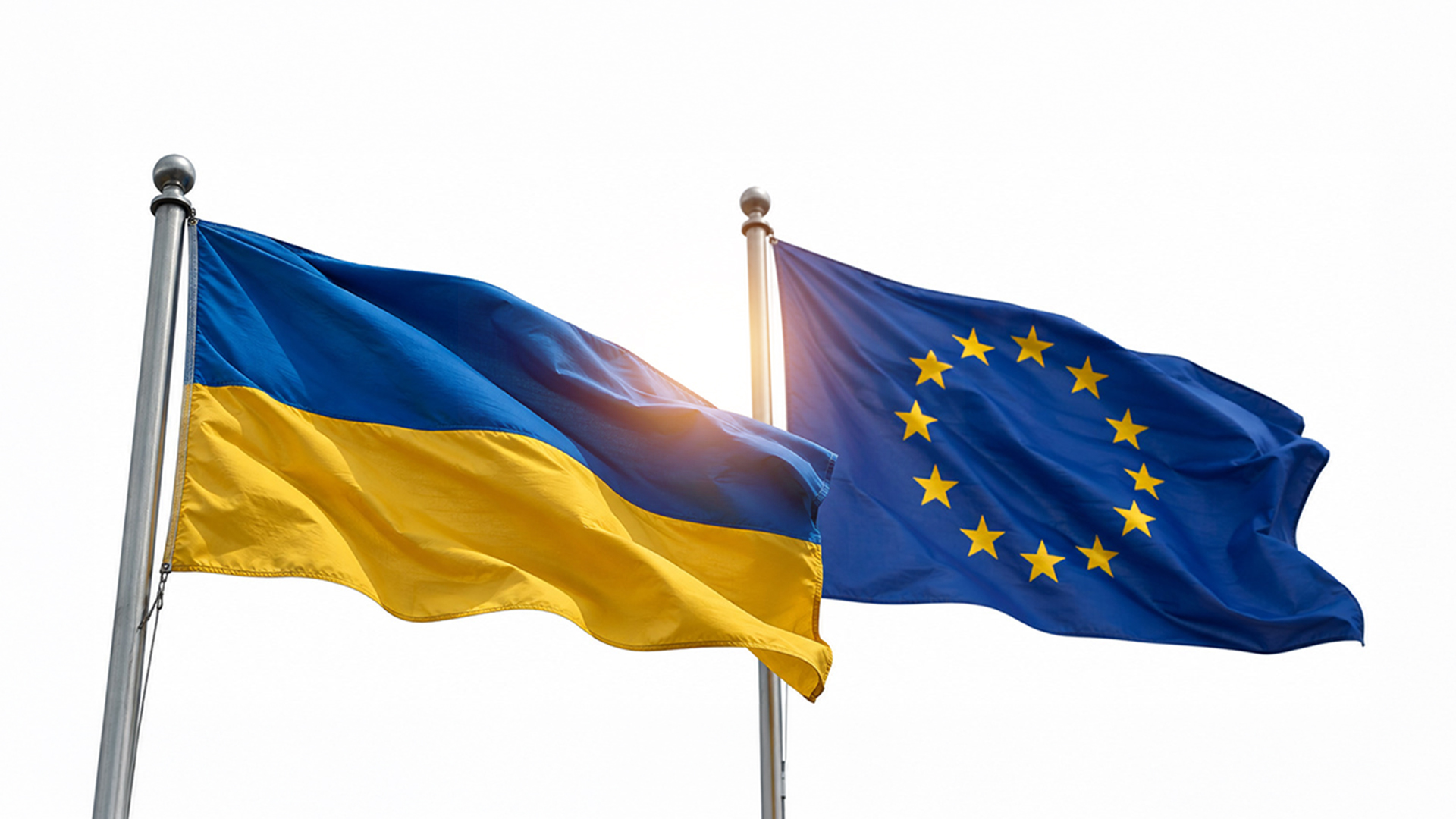
ERBIL (Kurdistan24) — The European Union considers Ukraine’s security fundamental to the security of Europe as diplomatic efforts to end Russia’s war against Ukraine intensify, an EU Spokesperson told Kurdistan24 English, reaffirming the bloc’s continued support for Kyiv and its commitment to achieving a just and lasting peace.
"Fundamentally, Ukrainian security is European security," the EU Spokesperson told Kurdistan24 English, stressing that Europe has supported Ukraine since the beginning of the war and continues to work closely with Kyiv and its international partners to secure a lasting peace.
The spokesperson said European representatives from the EU, France, Germany and the United Kingdom, alongside Italy and NATO, met with the Ukrainian delegation for a coordination breakfast in Abu Dhabi on Tuesday morning.
Following that meeting, a broader and productive discussion brought together representatives from Ukraine, the EU, France, Germany, the UK, Italy, NATO and the United States to coordinate diplomatic efforts.
"Peace negotiations are happening in different formats, different places and at different levels involving heads of state and government, ministers, senior diplomats and officials," the spokesperson said.
The discussions are expected to continue later this week at the level of EU leaders during an informal European Council meeting, providing another opportunity for European leaders to coordinate their positions on the ongoing negotiations and Ukraine’s future security.
Security guarantees central to peace negotiations
The Abu Dhabi discussions formed part of broader coordination among European partners, Ukraine and the United States ahead of upcoming trilateral negotiations involving Russia, with a particular focus on ending the war and establishing the foundations for a durable peace.
Participants discussed the importance of providing Ukraine with robust security guarantees as part of any potential settlement, emphasizing that future arrangements must respect the country's sovereignty, territorial integrity and independent decision-making.
The discussions also focused on developing a practical and mutually reinforcing security framework capable of strengthening Ukraine's long-term security while creating the necessary confidence for a negotiated settlement.
Beyond immediate peace efforts, the participants addressed the future of European security institutions and agreements following the conclusion of the war, recognizing that post-war security arrangements and mechanisms to prevent further conflict would be essential.
They also discussed measures to manage security risks and prevent dangerous escalation, reaffirming their commitment to a strong post-war European security architecture.
The participants stressed that NATO would remain central to Euro-Atlantic collective defence, while European partners, Ukraine and the United States pledged to maintain close coordination throughout the negotiating process.
Their stated objective is to move toward broader multilateral discussions involving European partners and ultimately achieve a comprehensive and lasting peace.
US envoys meet Putin as diplomatic efforts continue
The diplomatic coordination in Abu Dhabi was followed by the arrival in Russia on Thursday of US President Donald Trump’s envoys for talks with President Vladimir Putin, after two days of discussions on the war in Ukraine.
The US delegation, comprising Trump's son-in-law Jared Kushner and special envoy Steve Witkoff, was expected to travel to Dublin afterward to brief Ukrainian President Volodymyr Zelensky, who was in the Irish capital for meetings with European leaders.
Putin's special representative Kirill Dmitriev confirmed the arrival of the American envoys in Moscow, posting a video of their arrival at Vnukovo Airport on X.
Kushner said the meeting with Putin would review the discussions held in Abu Dhabi and seek progress toward ending the war, describing the current diplomatic situation as presenting "some openings and some opportunities."
Zelensky, who arrived in Ireland late Wednesday, also expressed cautious optimism, saying there could be a "window of opportunity" to end the war before 2027.
He said he hoped the American envoys would return from Moscow with concrete proposals, while acknowledging that he remained sceptical about the prospects for an agreement.
The Ukrainian president also welcomed what he described as a more positive American approach toward including European countries in the negotiations.
Around 50 European leaders were expected to gather in Dublin on Thursday, with the Abu Dhabi discussions and the future of European involvement in the peace process among the central issues.
Following the Abu Dhabi talks, the warring sides also agreed to a major prisoner exchange, described by Kushner as the biggest of its kind so far, although no figures were immediately announced.
Zelensky said Ukraine was awaiting Moscow's response to a possible exchange involving 1,000 prisoners from each side, potentially increasing to 1,200.
Meanwhile, Russia has questioned the need for European participation in the negotiations. Vladimir Medinsky, head of the Russian delegation, said Moscow had not received concrete peace proposals from European countries.
Medinsky also referred to Russia's ambition for a "new, modern Yalta," invoking the 1945 conference at which the Allied powers discussed Europe's postwar order.
The remarks have heightened European concerns over Moscow's demands for a broader restructuring of the continent's security architecture, including longstanding Russian calls to limit NATO's presence in Eastern Europe and end Western military support for Ukraine.
Kyiv, meanwhile, maintains that a ceasefire must precede discussions over territorial issues and has called for a direct meeting between Zelensky and Putin to address the most difficult questions. Putin has ruled out such a meeting.