Iraqi Justice Ministry Launches Dedicated Unit for Feyli Kurdish Rights
Iraq's Justice Ministry begins receiving Feyli Kurdish complaints through a dedicated unit aimed at addressing grievances stemming from Baath-era persecution.
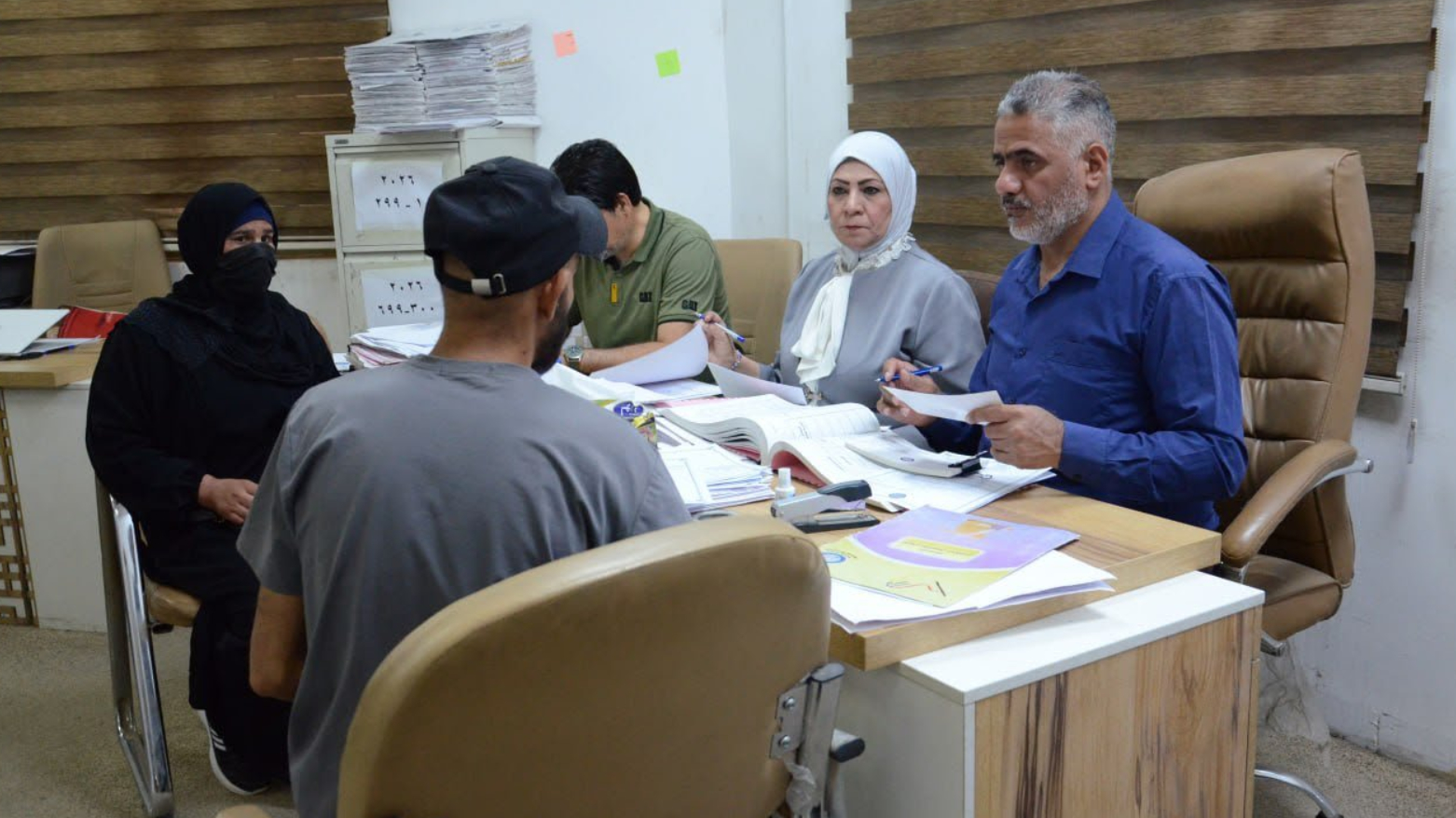
ERBIL (Kurdistan24) - Iraq's Ministry of Justice announced on Friday, Nov. 13, 2026, that a specialized unit has begun receiving complaints and requests from Feyli Kurds, opening a new administrative channel for a community still seeking redress for decades-old persecution under the former Baath regime.
The ministry said the unit was established under the instructions of Justice Minister Khalid Shwani, who heads the government committee formed under Diwani Order No. 80 of 2026 to address outstanding issues affecting Feyli Kurds.
"The unit has begun its work and is receiving citizens and their requests," the ministry said, adding that its purpose is to maintain follow-up on community concerns and ensure requests reach the relevant authorities.
Under the announced procedure, officials will examine each complaint before referring it directly to the justice minister. Cases will then be pursued in coordination with other responsible government bodies, subject to existing legal and administrative procedures.
The announcement did not specify how many applications had been received, the categories of cases already under consideration or a timetable for resolving them.
Longstanding Grievances
The ministry described the initiative as part of efforts to address the treatment of Feyli Kurds, a community subjected to discrimination, forced displacement and the loss of rights during Baathist rule.
The dedicated unit is intended to give applicants a direct route for raising their concerns rather than leaving their cases without sustained administrative follow-up. Its establishment does not, however, amount to an announcement that citizenship, property or compensation claims have already been settled.
The government committee chaired by Shwani has been assigned to follow up on the consequences of the former regime's policies. The complaints unit is one mechanism through which individuals can bring unresolved matters to the ministry's attention.
For affected families, the effectiveness of that mechanism will depend on whether documented cases can move from the initial review stage to decisions by the authorities responsible for addressing them.
Decades of Persecution
Feyli Kurds have longstanding roots in Baghdad, Khanaqin, Mandali and communities along the Iraq-Iran border. Many are Shiite Muslims and have historically contributed to Iraq's commercial, cultural and political life.
Their circumstances changed dramatically under the Baath regime. In 1980, Decree No. 666 provided a basis for stripping people designated as being of foreign origin of Iraqi nationality. It was used against Feyli Kurds, including families whose roots in Iraq extended across generations.
According to an April 2026 commemoration published by the Kurdistan Regional Government's Representation in the United States, an estimated 300,000 to 500,000 Feyli Kurds were expelled to Iran. Homes, businesses and other property were confiscated, while thousands of men and boys were detained.
The KRG representation also estimated that at least 25,000 members of the community disappeared, with their fate still unknown. These figures reflect historical estimates cited by the representation, not a new count released by the Justice Ministry.
Unfinished Restitution
Iraq's Parliament recognized the persecution of Feyli Kurds as genocide in 2011, but formal recognition did not resolve all the consequences for survivors and their descendants.
The KRG representation identified the restoration of nationality, recovery of confiscated property and access to rights and services as difficulties that remain for some families.
Friday's announcement signals an administrative step toward examining those grievances. It establishes a point of contact and a referral process, but the ministry has not reported how many claims it expects to handle or when applicants can expect decisions.
For Feyli Kurds seeking the return of rights lost decades ago, the next measure of progress will be how effectively the new unit turns submitted complaints into outcomes.