Iraqi Parliament Launches Khor Mor Investigation as Kurdish Lawmakers Join Committee
Iraq's Parliament Deputy Speaker Farhad Atrushi says two Kurdish lawmakers have joined the parliamentary investigation into the Khor Mor gas field attack.
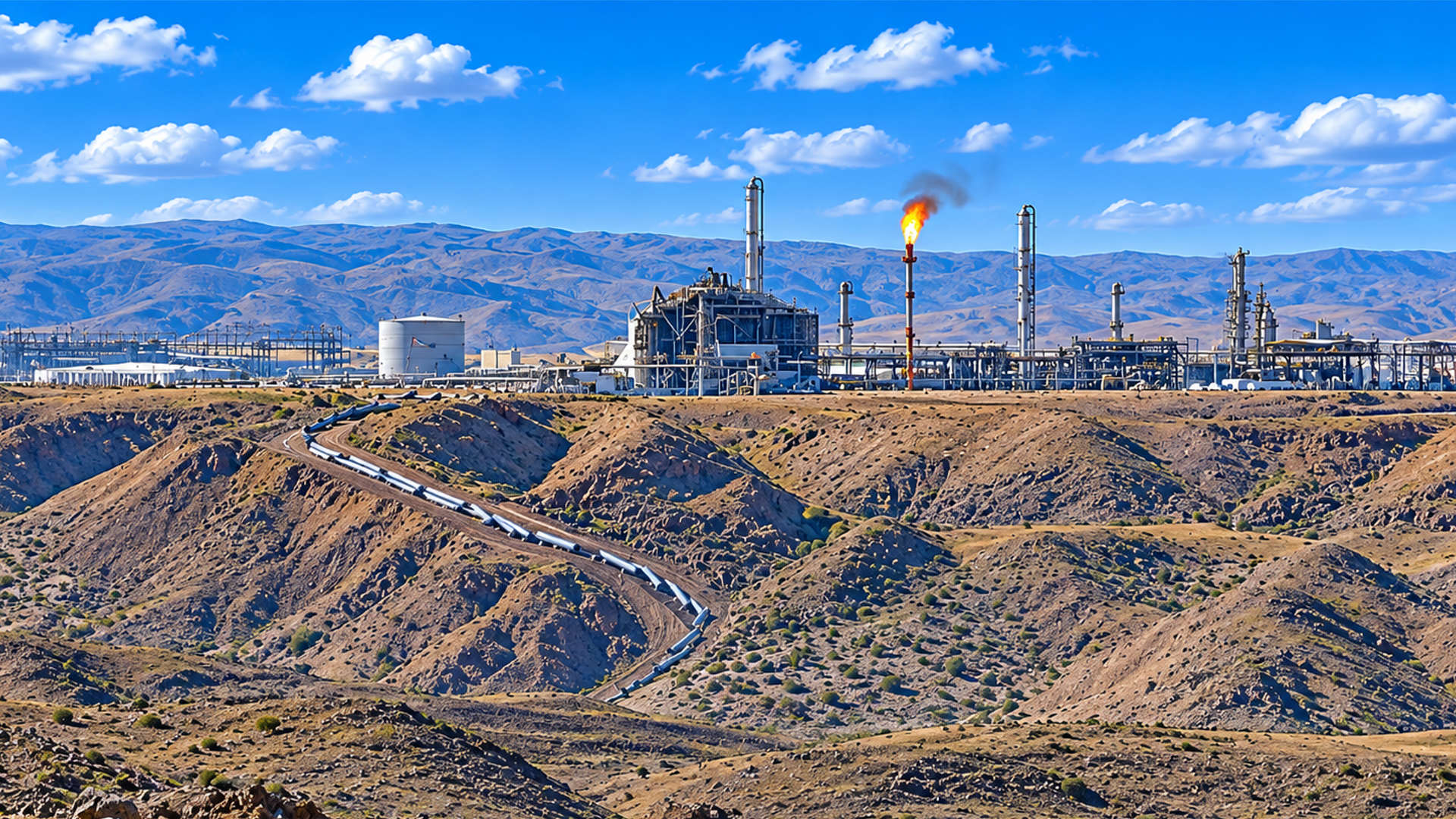
ERBIL (Kurdistan24) - Iraq's Parliament has formed an investigative committee to examine the attack on the Khor Mor gas field in the Kurdistan Region, with two Kurdish lawmakers participating in the inquiry, Deputy Speaker Farhad Atrushi told Kurdistan24.
Atrushi said the seven-member committee brings together senior lawmakers responsible for security, legislative oversight and other parliamentary affairs. Its responsibilities include investigating the Khor Mor attack and following up on a separate security file concerning Jurf al-Sakhar.
The investigation follows an attack that disrupted gas production and electricity supplies, raising concerns about the security of energy infrastructure in the Kurdistan Region.
Atrushi identified Rebwar Hadi, head of Parliament's Legal Committee, and Harim Kamal Agha, head of the Oil and Gas Committee, as the two Kurdish lawmakers temporarily participating in the investigation.
He said the committee includes the heads of several parliamentary bodies, including the Security and Defense Committee, Integrity Committee, Regions and Governorates Committee, and Border Crossings Committee.
According to Atrushi, the committee has been assigned two principal matters. The first concerns Jurf al-Sakhar, where the federal government had previously established an investigative committee. The second involves the attack on Khor Mor.
The deputy speaker did not announce any findings or provide a timetable for the completion of the parliamentary investigation.
Energy Security Concerns
The investigation follows the Nov. 8 drone attack on the Khor Mor gas field in Sulaimani province, which damaged the facility and forced the suspension of gas production.
The disruption affected gas supplies to electricity-generating stations, causing a substantial decline in power generation across the Kurdistan Region.
The incident renewed questions about the security arrangements protecting energy facilities and the need to establish the circumstances surrounding attacks on critical infrastructure.
The parliamentary inquiry is intended to examine the available information and establish facts concerning the incident. Atrushi did not identify the perpetrators or disclose evidence establishing where the attack originated.
Separately, the deputy speaker said Parliament had established another committee to investigate allegations of oil smuggling through routes extending from Kirkuk and Sulaimani toward Iran.
The two matters concern different alleged activities, although both involve the protection and management of Iraq's energy resources.
Atrushi indicated that the conclusions of the investigations were awaited so that their details could be disclosed to the public.
Cabinet Completion vs. Political Agreement
The deputy speaker also addressed the outstanding appointments needed to complete Iraqi Prime Minister Ali al-Zaidi's cabinet.
He said the selection of candidates for the Ministry of Migration and Displacement and the position of Deputy Prime Minister remains dependent on political negotiations and decisions by the government.
"Finalizing the names of the candidates for the Ministry of Migration and Displacement and the post of Deputy Prime Minister falls within the authority of the Council of Ministers and depends on reaching an agreement among the political parties," Atrushi said.
He explained that the prime minister must meet with the heads of parliamentary blocs and reach an agreement on the candidates before submitting their names to Parliament for approval.
Once the nominations are finalized, lawmakers would be required to vote on them during a special parliamentary session.
Atrushi emphasized that completing the cabinet is not currently in Parliament's hands, as the legislature must first receive the nominations agreed upon by the government and political parties.
The deputy speaker's remarks highlight two separate responsibilities facing Iraq's political institutions: parliamentary oversight of security incidents affecting vital energy facilities and the political negotiations necessary to complete the federal cabinet.
For now, the Khor Mor investigation remains ongoing, while Parliament awaits the political agreement required to vote on the remaining government appointments.