Dindar Zebari: ISIS Atrocities Must Not Go Unpunished
KRG official Dindar Zebari urges Iraq to prosecute ISIS genocide crimes, preserve evidence, identify missing Ezidis and accelerate compensation for survivors.
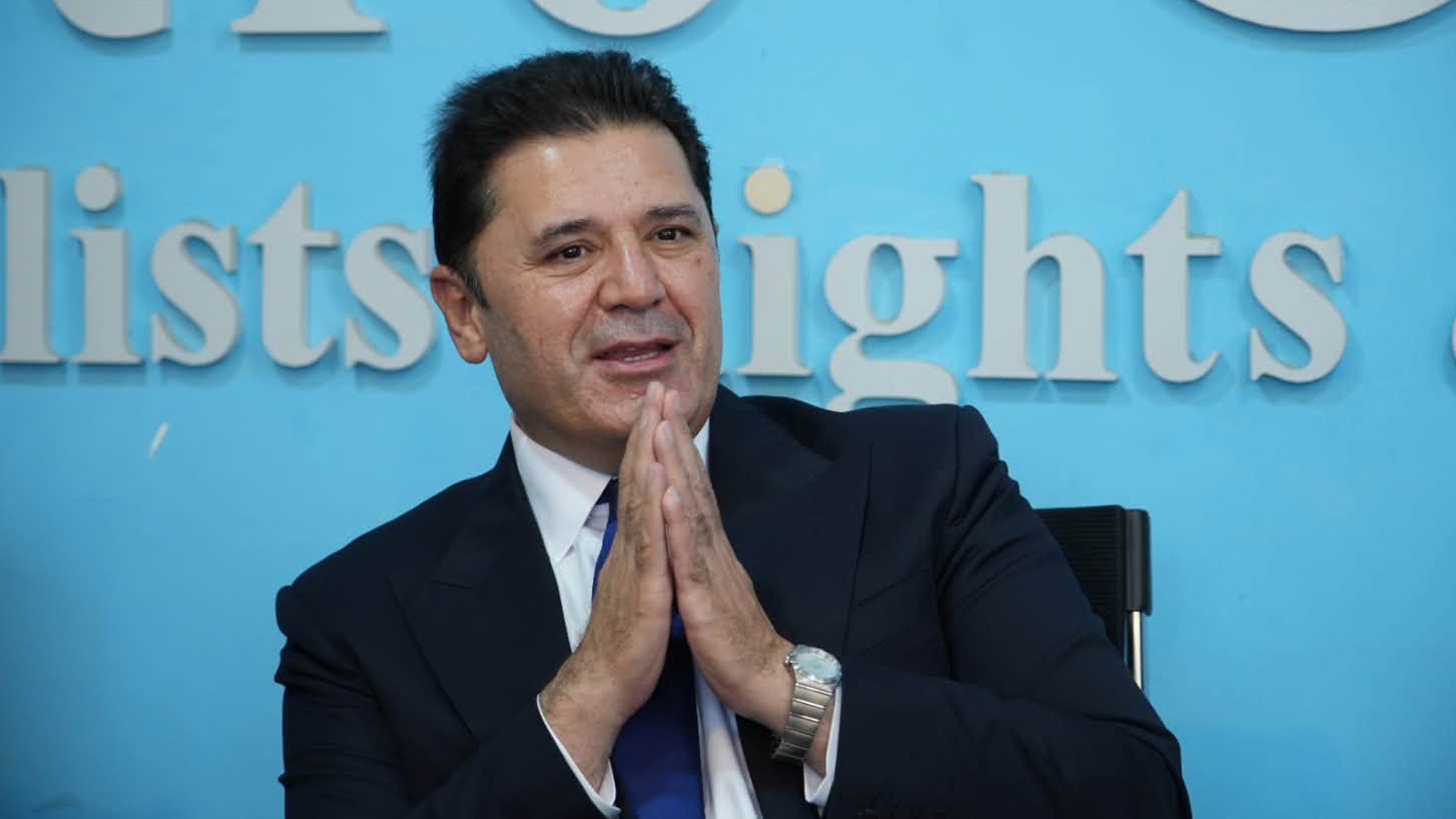
ERBIL (Kurdistan24) - More than a decade after ISIS carried out its genocidal campaign against the Ezidi community in Sinjar, Iraq has yet to establish a comprehensive legal framework for prosecuting perpetrators for genocide, war crimes and crimes against humanity, a senior Kurdistan Regional Government (KRG) official said on Saturday.
Dindar Zebari, the KRG Coordinator for International Advocacy, told Kurdistan24 on Nov. 14, 2026, that documenting atrocities, locating missing Ezidis and identifying victims buried in mass graves must be accompanied by criminal accountability and adequate compensation for survivors.
His remarks came a day after the 11th anniversary of Sinjar's liberation by Kurdish Peshmerga forces on Nov. 13, 2015.
According to Zebari, nearly 5,000 Ezidis were killed following ISIS's assault on Sinjar on Aug. 3, 2014, while 6,417 people were abducted, including 3,548 males and 2,869 women and girls.
He said 3,595 abductees have been rescued, while the fate of 2,526 people remains unknown.
Zebari said the KRG began systematically documenting ISIS atrocities alongside its military and humanitarian response in 2014, aiming to preserve evidence for future legal proceedings.
Mass Graves and Identification Efforts
The KRG has documented 93 mass and individual graves in Sinjar and surrounding areas, according to Zebari, who said the remains of 296 victims have been recovered, identified and returned to their families.
A separate 2025 report by the Ezidi organization Yazda recorded more than 95 mass graves, including 74 that had been exhumed. It reported 297 formally identified victims and another 437 sets of remains awaiting identification at forensic laboratories in Baghdad.
The figures reflect different reporting sources and accounting methods, underscoring the need for continued coordination among investigators and forensic authorities.
Zebari urged Baghdad to allocate additional funding, laboratory equipment and qualified specialists to accelerate exhumations and identification. He also emphasized collecting DNA samples from relatives living abroad, whose participation is essential to matching remains with missing family members.
Preserving Evidence After UNITAD's Closure
Zebari highlighted cooperation with the United Nations Investigative Team to Promote Accountability for Crimes Committed by Da'esh/ISIL (UNITAD), whose mandate ended on Sept. 17, 2024.
He said 45.95 gigabytes of evidence and legal assessments were transferred to the Kurdistan Region on July 11, 2024, followed by another 11.9 gigabytes on Aug. 25, bringing the combined transfer to 57.85 gigabytes.
During its mandate, UNITAD produced 19 investigative assessments and analytical reports concerning possible international crimes committed by ISIS.
According to the United Nations, the team also supported the excavation of 68 ISIS-related mass graves across Iraq and the digitization of 20 million documents.
It assisted with nearly 300 requests from 21 countries, contributing to at least 18 indictments and 15 convictions in proceedings outside Iraq.
Zebari stressed that UNITAD's departure did not relieve Baghdad of its responsibility to preserve evidence and establish procedures enabling its use in Iraqi courts.
Calls for Genocide Prosecutions
The KRG official criticized Iraq's reliance on counterterrorism legislation to prosecute ISIS members, arguing that such proceedings do not adequately address the specific international crimes committed against Ezidis.
Although Iraq's 2021 Ezidi Survivors Law recognizes genocide and establishes reparations, the country's ordinary criminal framework does not provide comprehensive provisions for prosecuting genocide, war crimes and crimes against humanity as distinct offenses.
Zebari also cited United Nations concerns over the absence of domestic prosecutions specifically addressing ISIS-related sexual violence.
According to Iraqi figures reported through May 2025, authorities had registered 2,991 cases involving ISIS crimes, recorded 3,290 complainants and documented 3,090 missing people. Psychological support had been provided to 2,848 victims, while 39 judicial rulings were issued in 2024.
Zebari argued that these measures must be accompanied by legislation permitting prosecutions that reflect the full nature of the atrocities.
Survivors' Rights and Sinjar's Recovery
Under Law No. 8 of 2021, nearly 2,600 applications for survivor assistance had been approved by Oct. 31, 2025, including 1,341 from women and girls who survived sexual violence, Zebari said.
He added that the KRG has provided survivors with approximately $100 monthly since August 2024.
Beyond compensation, Zebari renewed calls to implement the Oct. 9, 2020, Sinjar Agreement between Erbil and Baghdad, intended to restore stable administration, improve security and facilitate the return of displaced residents.
He cited a 2025 Yazda report identifying at least 11 armed groups operating outside formal state authority in Sinjar. Inadequate public services and unresolved security arrangements continue to impede the return of families displaced by ISIS.
Zebari outlined five priorities for international cooperation: protecting UNITAD's evidence archive, completing mass grave investigations and DNA identification, supporting Iraqi legal reforms, monitoring implementation of the survivors law and advancing Sinjar's reconstruction.
Eleven years after Peshmerga forces liberated Sinjar under President Masoud Barzani's command, Zebari said the responsibility to establish the truth and secure justice remains unfinished.
His appeal emphasized that international recognition of the genocide must ultimately be followed by accountability, identification of the missing and meaningful reparations for survivors.