Dana Gas Says Khor Mor Facility Remains Unable to Produce Gas After Drone Attack
Company warns media against spreading inaccurate reports as damage to the strategic gas facility continues to affect electricity generation across the Kurdistan Region
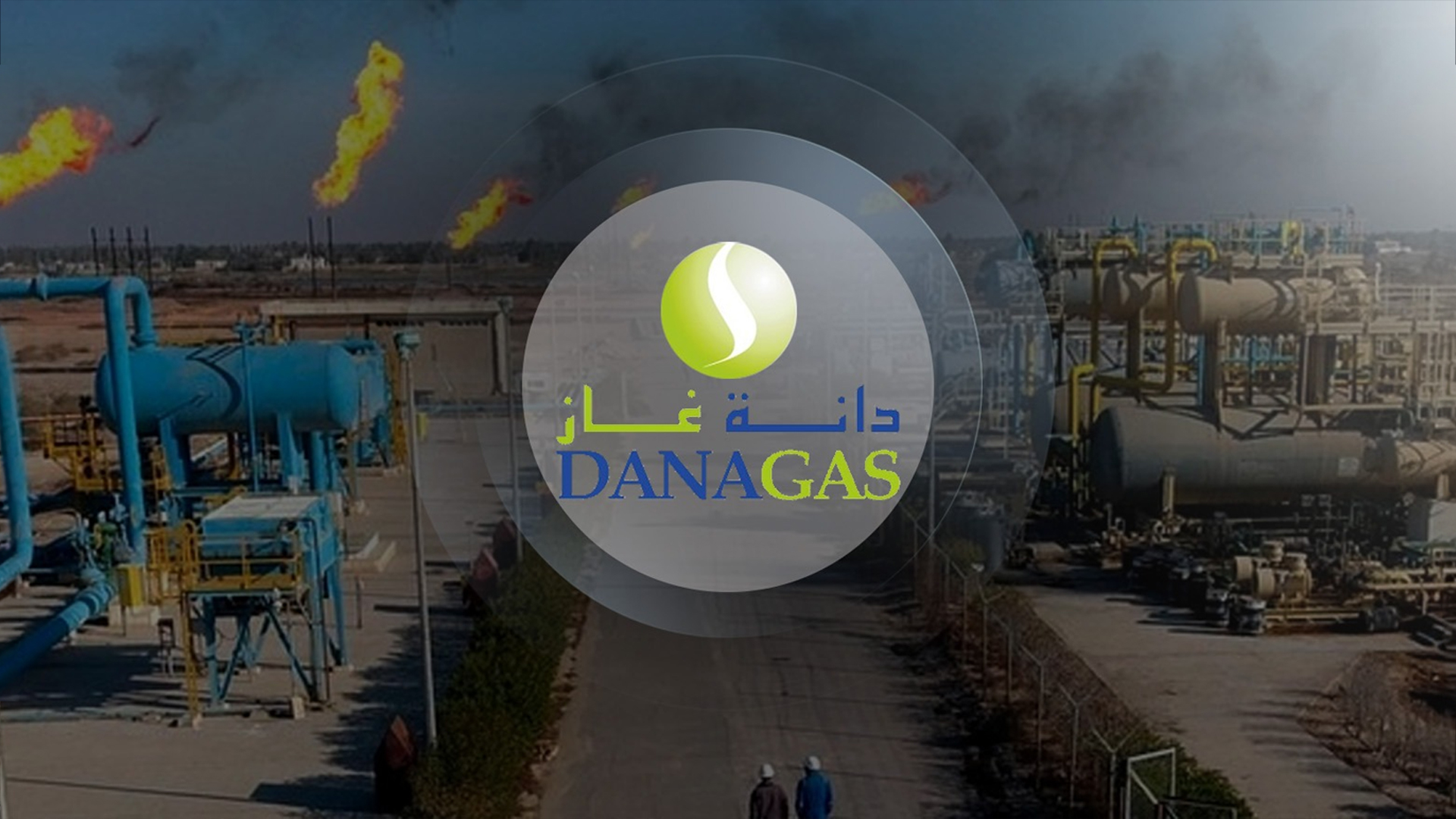
ERBIL (Kurdistan24) — Dana Gas said on Saturday that its Khor Mor gas facility remains unable to produce gas because of significant damage sustained in a previous attack, rejecting what it described as inaccurate reports and speculation by some local media outlets about the plant’s operational status.
In a clarification dated Nov. 14, the company said the facility had sustained substantial damage and that no gas could currently be produced.
“A number of local media outlets, without having accurate information, are making false statements regarding the status of the Khor Mor gas station,” the company’s spokesperson said.
Dana Gas urged media organizations to refrain from what it called irresponsible coverage, speculation and baseless interpretations, stressing that official information about the facility’s condition had already been announced.
The shutdown has significant implications for electricity production in the Kurdistan Region, where Khor Mor is a major source of natural gas used to fuel power plants.
The facility was targeted in a drone attack on the night of Nov. 8, 2026, according to previous announcements by the company. Dana Gas said at the time that there had been no casualties, but production was suspended pending an assessment of the damage.
The interruption halted gas supplies to power stations, causing electricity generation to fall from approximately 3,700 megawatts to around 1,000 megawatts. As a result, the daily supply of public electricity was reduced by an estimated five to six hours.
Established in 2007 in the Qadir Karam subdistrict of Chamchamal district, Khor Mor began commercial gas production in October 2008. The field is operated by Pearl Petroleum, a consortium in which Dana Gas and Crescent Petroleum are key partners.
Khor Mor supplies a substantial share of the Kurdistan Region’s electricity needs, with its gas transported through pipelines to power stations across the Kurdistan Region.
The field is estimated to contain approximately 1.8 trillion cubic feet of natural gas, making it one of the region’s most strategically important energy assets.
The facility’s disruption has therefore affected not only gas production but also the region’s electricity supply, highlighting the vulnerability of critical energy infrastructure to attacks and the wider economic and public-service consequences of prolonged outages.