Iran War Pushes Lufthansa’s 2026 Fuel Bill to €9.3 Billion, Adding €2 Billion in Costs
German airline raises its annual fuel estimate as the Strait of Hormuz crisis disrupts energy supplies and drives up jet fuel prices, putting pressure on the global aviation industry
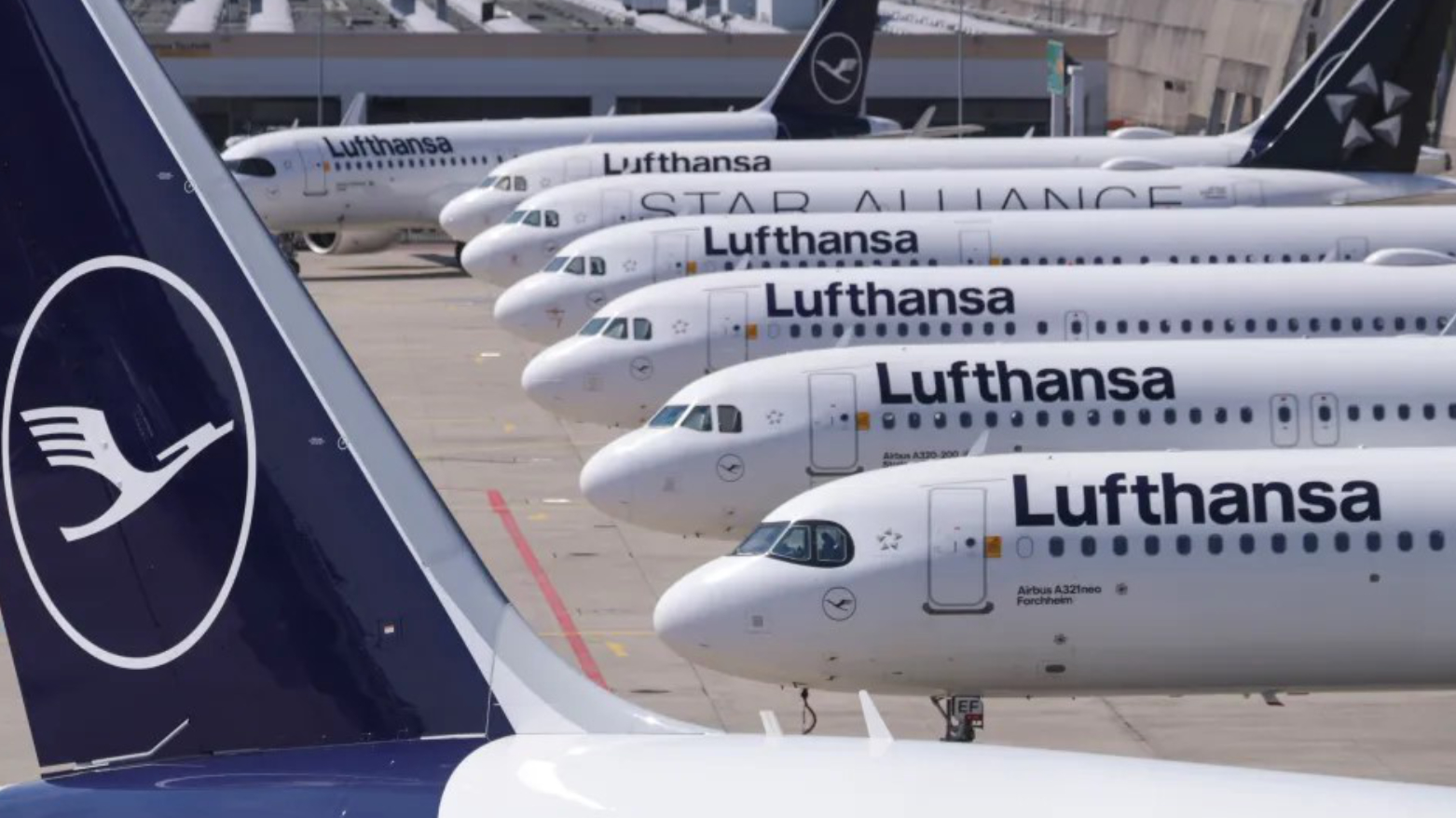
ERBIL (Kurdistan24) — German aviation giant Lufthansa expects to spend €9.3 billion ($10.7 billion) on fuel in 2026, approximately €2 billion ($2.24 billion) more than last year, as the war involving Iran and disruptions to energy supplies through the Strait of Hormuz continue to drive up global fuel prices.
The revised projection, announced Tuesday alongside the group's third-quarter financial results, represents an increase of €600 million from its previous estimate, highlighting the growing financial consequences of the Middle East conflict for the global aviation industry.
The higher fuel bill reflects elevated jet fuel prices and continued uncertainty over supplies. Fuel is among the largest operating expenses for airlines, making carriers particularly vulnerable to geopolitical crises that disrupt oil production, transportation and international energy markets.
Lufthansa reported that its third-quarter revenue rose 9 percent year-on-year to a record €12.2 billion, while operating profit increased 6 percent to €1.4 billion. However, higher fuel prices added €543 million to its costs compared with the same period last year.
The increase marks a significant reversal from the previous two years. Lufthansa's annual fuel expenses declined from €7.8 billion in 2024 to approximately €7.3 billion in 2025, reflecting lower kerosene prices despite an expansion in flight operations. The projected €9.3 billion bill for 2026 would represent a substantial increase over both years.
Lufthansa, which marked its centenary in 2026, is one of Europe's largest aviation groups, operating passenger airlines alongside cargo, aircraft maintenance and repair businesses. Its portfolio includes Lufthansa Airlines, SWISS, Austrian Airlines, Brussels Airlines and Eurowings.
The group operates across international markets through major European aviation hubs, leaving it exposed to fluctuations in global energy prices and disruptions to international travel.
The company has traditionally used financial hedging arrangements to limit its exposure to sudden fuel price increases. However, these arrangements cannot fully protect airlines from prolonged price rises or physical shortages of aviation fuel.
At the center of the current crisis is the war involving Iran and the resulting disruption to shipping through the Strait of Hormuz, one of the world's most strategically important energy corridors.
The blockade has disrupted the movement of oil and petroleum products from the Gulf, tightening supplies and pushing up prices across international energy markets.
The consequences extend well beyond the Middle East. Jet fuel is refined from crude oil, and disruptions to petroleum supplies can increase both the cost and availability of aviation kerosene, even in countries far removed from the conflict.
The developments underscore how the conflict involving Iran and the disruption of a critical maritime energy route can transmit economic consequences to businesses and consumers worldwide.
For airlines, prolonged high fuel prices could mean reduced profit margins, more expensive tickets and adjustments to flight schedules if supply disruptions persist.