Bessent Says Iran Faces One of History’s Fastest Economic Collapses
Speaking in interviews with Fox News and Iran International on Sunday, Bessent said the U.S. measures targeting Iran's financial, maritime, and land-based trade routes were increasingly restricting the country's ability to generate revenue.
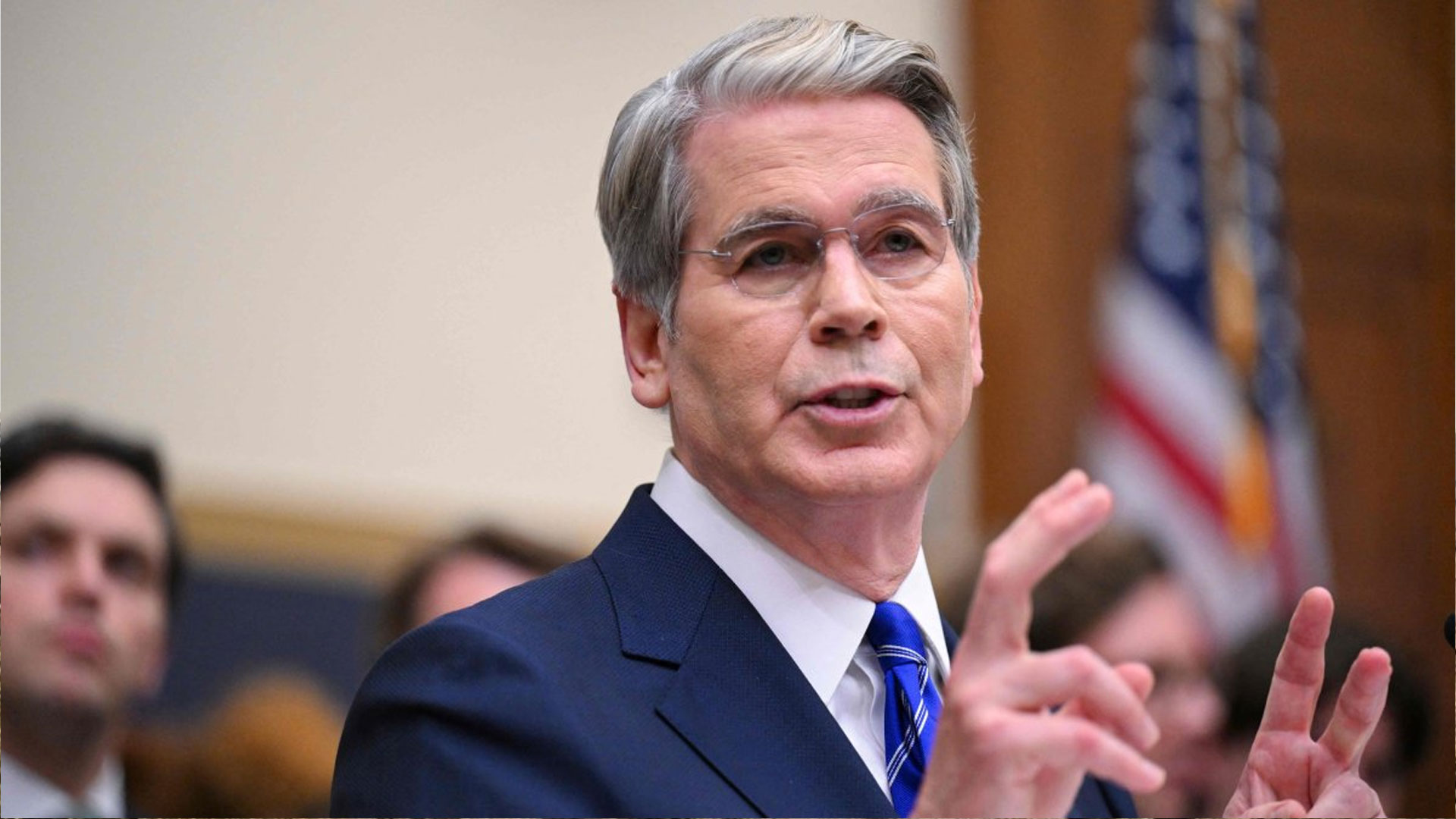
ERBIL (Kurdistan24) – U.S. Treasury Secretary Scott Bessent has warned that Iran is facing one of the fastest economic collapses in history, predicting that the country's gross domestic product (GDP) could shrink by more than 25 percent within a year as Washington intensifies its economic pressure campaign against Tehran.
Speaking in interviews with Fox News and Iran International on Sunday, Bessent said the U.S. measures targeting Iran's financial, maritime, and land-based trade routes were increasingly restricting the country's ability to generate revenue.
He projected that Iran's economy could contract by more than 25 percent between March 2026 and March 2027, a decline he said would exceed the Soviet Union's 22 percent economic contraction over three years.
Bessent also pointed to the sharp depreciation of Iran's currency, saying the rial may have fallen beyond three million to the U.S. dollar.
The Treasury secretary warned that expanding U.S. pressure on Iran's land and sea trade routes would leave Tehran with increasingly limited options for generating revenue. He urged Iranian citizens to stock up on fuel, citing the prospect of further supply shortages.
He also argued that Iran had failed to use its control over the Strait of Hormuz effectively to influence global energy markets.
Bessent further claimed that Iranian leaders had become increasingly isolated, operating from underground bunkers, while financial restrictions were putting pressure on the Islamic Revolutionary Guard Corps (IRGC) and Tehran-backed groups across the region, including Hezbollah, Hamas, and the Houthis.
His remarks came two days after he confirmed in a CNBC interview on November 13, that he had moved from his Washington residence to a military base following threats against his life.
Bessent said he had followed Secret Service instructions and insisted that the threats would not deter him from continuing the U.S. campaign, known as "Operation Economic Outcast."
He also linked security concerns to the publication of an aerial photograph of his Georgetown residence, describing it as irresponsible and dangerous.
On U.S. monetary policy, Bessent urged the Federal Reserve not to raise interest rates, arguing that inflation driven by the conflict and higher energy costs should be treated as a temporary energy shock rather than a reason for further monetary tightening.