NYT: Experts Suspect Iran’s Dams And Water Projects May Have Been Built To Support Underground Missile Sites
Researchers say airstrikes this year hit areas near hundreds of dams, but the link remains unproven and Iran has not commented
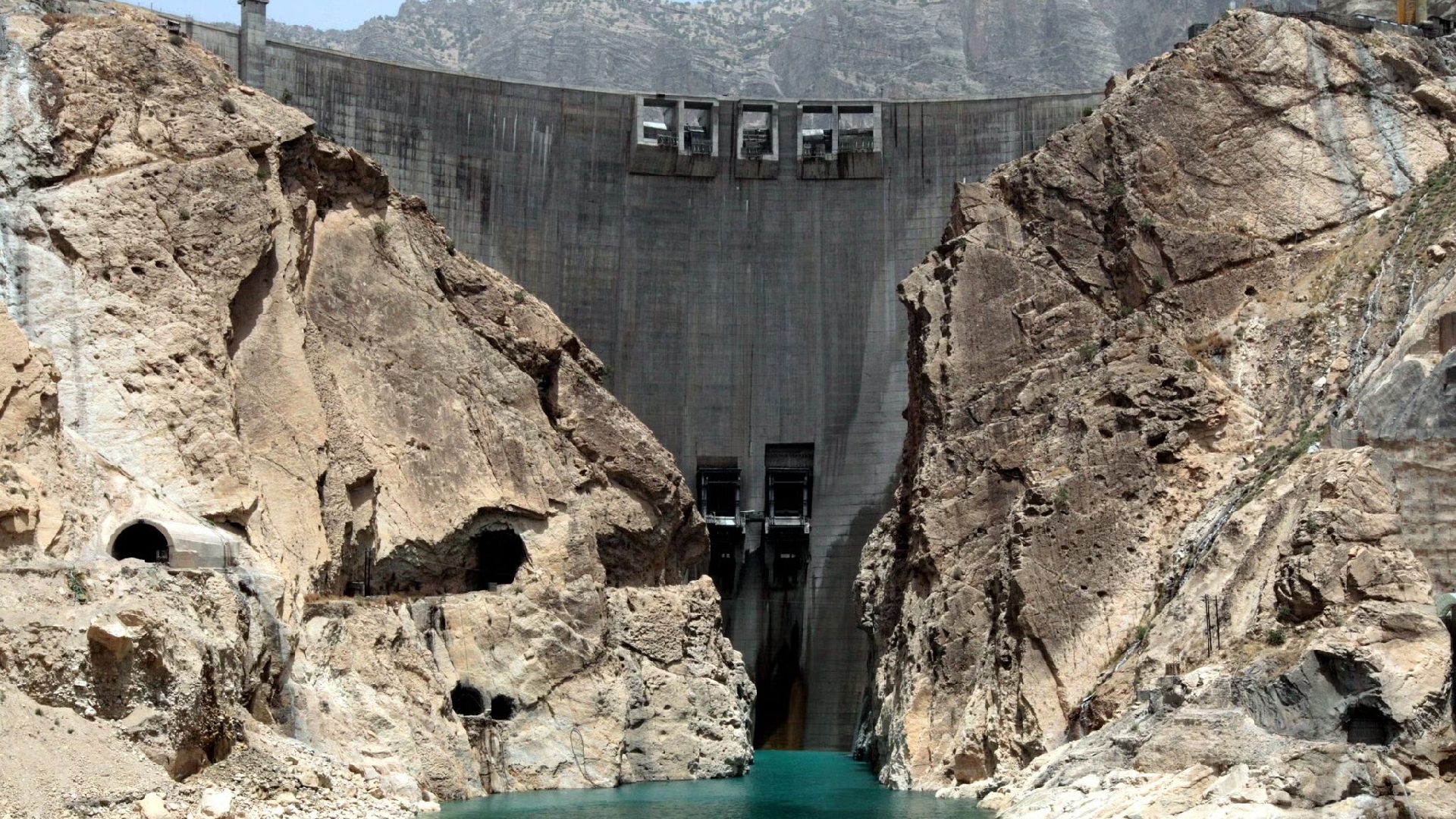
ERBIL (Kurdistan 24) - Some analysts believe Iran’s many dams and water transfer projects may have been developed partly to support its military buildup, after US and Israeli airstrikes this year hit suspected missile sites in many of the same areas, The New York Times reported.
The paper said the connection is speculative because of the secrecy around Iran’s missile program, though some experts find the evidence suggestive.
Nima Shokri, a water security expert at Hamburg University of Technology in Germany, and his team had tracked at least 533 dams in Iran, among the most in the region, and he said he long wondered why so many were being built. In the spring he saw a map of airstrikes on suspected military sites, and the pattern, a semicircle running from north to south, closely matched his map of dams.
Seven water and military experts told the paper that siting large military complexes near the steady water and power that dams provide would make sense.
Danny Citrinowicz, a former Israeli military intelligence analyst on Iran, said it gives Tehran “operational continuity,” and that Iran has probably invested in some redundant infrastructure for its missile facilities.
Farzin Nadimi, a senior fellow at the Washington Institute, estimated that Iran has at least 30 missile sites, and the paper said Iran calls the underground complexes “missile cities.”
Shokri stressed that many dams serve essential civilian needs in a country that often faces water shortages.
The report points to two regions as examples. Airstrikes hit Yazd in March, and reports, including by the Financial Times, described a major missile facility there, which led water expert Amir Aghakouchak to suspect that a large project to bring water from the Zagros mountains to Yazd may have been influenced by military considerations.
On July 14, US airstrikes hit the Tarom Protected Area in Hormozgan province, killing the family of a local wildlife ranger, while the US military said it was targeting military infrastructure and coastal defenses, and Nadimi said the area is not far from where analysts believe a missile base was built deep underground.
The paper also suggests the strikes may help explain the 2018 arrests of dozens of wildlife conservationists on spying charges by the Revolutionary Guards’ intelligence arm, in which one of them, Kavous Seyed-Emami, died in custody, as some environmentalists now suspect they may have come across sensitive military sites by accident.
Iran’s foreign and energy ministries and the Revolutionary Guards did not respond to the paper’s requests for comment, and the Revolutionary Guards did not comment on the arrests.