Syrian Church Leaders Condemn Attacks on Christians, Warn of Community’s Future
Patriarchs cite kidnappings, ransom demands, and an assault on a bishop, accusing authorities of failing to protect religious minorities in Syria
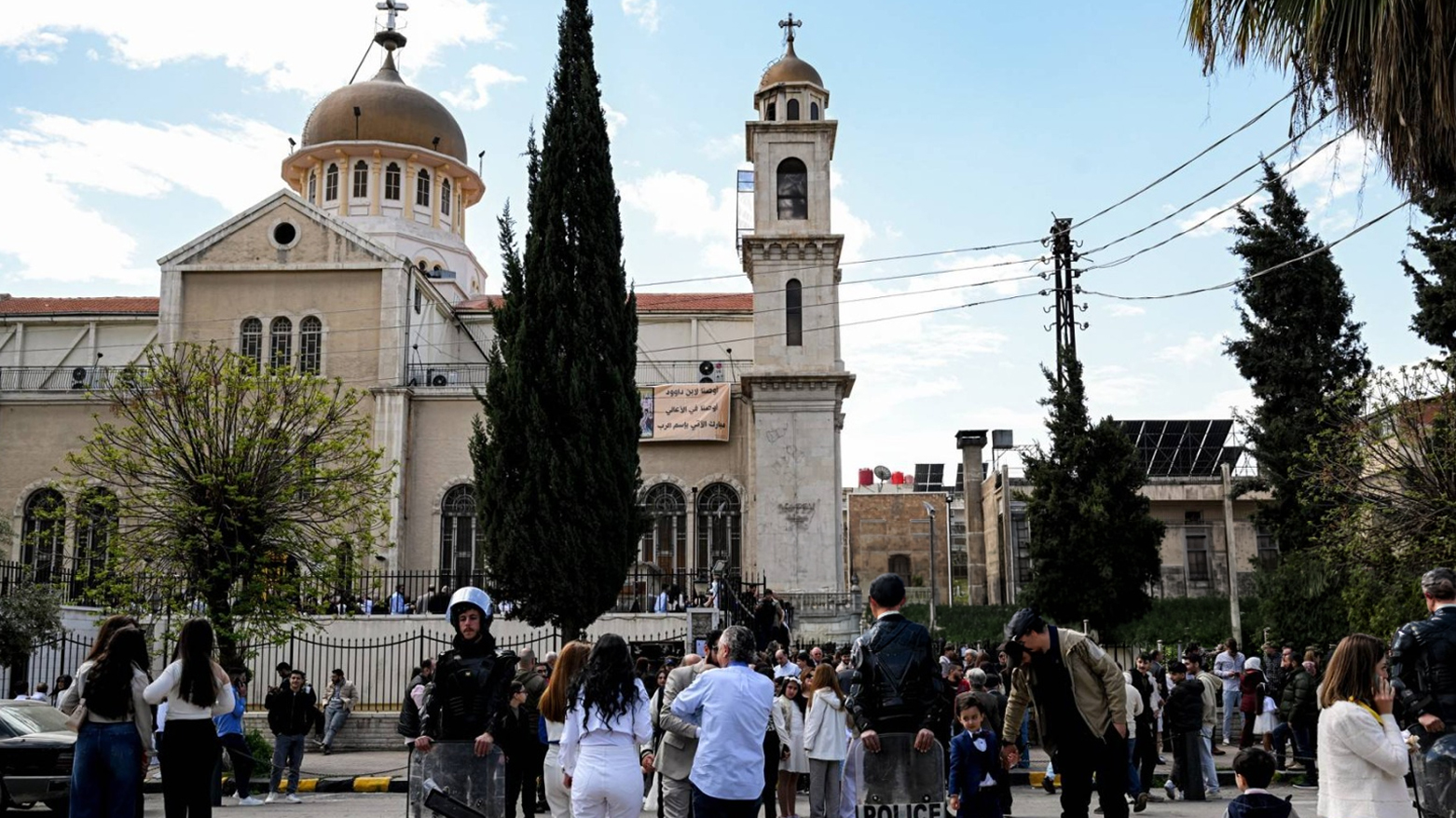
ERBIL (Kurdistan24) — Senior Christian leaders in Syria have condemned a series of kidnappings and attacks targeting Christians, warning that the repeated violence and lack of effective government protection are raising serious questions about the community’s future in the country.
In a joint statement posted on social media late Tuesday, the leaders described the incidents as “a series of heinous and recurring attacks targeting the Syrian people, and Christians in particular,” stressing that the violence could not be dismissed as isolated incidents.
The statement was signed by John X, Greek Orthodox Patriarch of Antioch and All the East; Ignatius Aphrem II, Syriac Orthodox Patriarch of Antioch and All the East; and Youssef Absi, Melkite Greek Catholic Patriarch of Antioch and All the East.
They said systematic assaults and kidnappings for exorbitant ransom payments violated fundamental human rights and accused the authorities of failing to provide adequate protection.
The church leaders highlighted the abduction of Maher Sankari, a jeweller seized by unidentified gunmen last month in Suqaylabiyah, a Christian-majority town in Hama province. His kidnappers reportedly demanded 120 kilograms of gold in exchange for his release.
Images sent to Sankari’s family showed him gagged and shackled, with extensive bruising, according to the statement.
The leaders also condemned the recent assault on Archbishop Youhanna Abdo Arbash of the Melkite Greek Catholic Archdiocese in Homs. The archbishop was reportedly bound, blindfolded, and gagged while his office was ransacked.
“The recurrence of these incidents, without any response or tangible results on the part of the authorities, confronts us, and public opinion alike, with a grave question regarding the future of Christians in this country,” the statement said.
Another video circulating in recent days showed Karim al-Nader, a Christian resident of Hama province who had also been kidnapped, pleading with his relatives to sell their property to secure a reported $100,000 ransom.
Security challenges and declining Christian population
The attacks come as Syria continues to face serious security challenges following more than 13 years of civil war and the overthrow of longtime President Bashar al-Assad in December 2024.
The Islamist-led authorities who took power after Assad's removal have pledged to protect the country's religious and ethnic minorities. However, kidnappings, killings, ransom-related crimes, and sectarian violence have continued amid fragile security conditions and the proliferation of weapons and armed groups.
Christian leaders and communities have become increasingly concerned about their safety as the country navigates its political transition.
Syria is home to one of the world's oldest Christian communities, but its Christian population has fallen sharply since the outbreak of the civil war in 2011.
Estimates suggest that fewer than 300,000 Christians remain in the country, compared with around one million before the conflict, largely due to displacement and emigration.
The security situation has also been marked by violence against other religious communities. Sectarian bloodshed last year affected Alawite-majority areas along Syria's coast and Druze-majority Sweida province in the south.
A deadly suicide bombing at a church in Damascus further heightened concerns over the safety of religious minorities.
Authorities have announced several security operations in recent months targeting alleged kidnapping networks and criminal groups. On Monday, security forces in Aleppo province freed Sunni Muslim industrialist Fadi Barakat, who had been abducted days earlier by an armed gang.
In August, authorities said they had arrested eight people in the Damascus countryside suspected of kidnapping businessmen for ransom.
The latest condemnation by Syria's senior Christian leaders underscores the challenge facing the country's new authorities: establishing security and public confidence while ensuring that religious and ethnic communities are protected during the fragile post-Assad transition.