Freed Researcher Reveals She Was Held in Kata’ib Hezbollah Stronghold in Jurf al-Sakhar
Elizabeth Tsurkov urges Baghdad to uncover secret prisons, mass graves and weapons depots as Iraqi forces move to reclaim the area from the Iran-backed militia
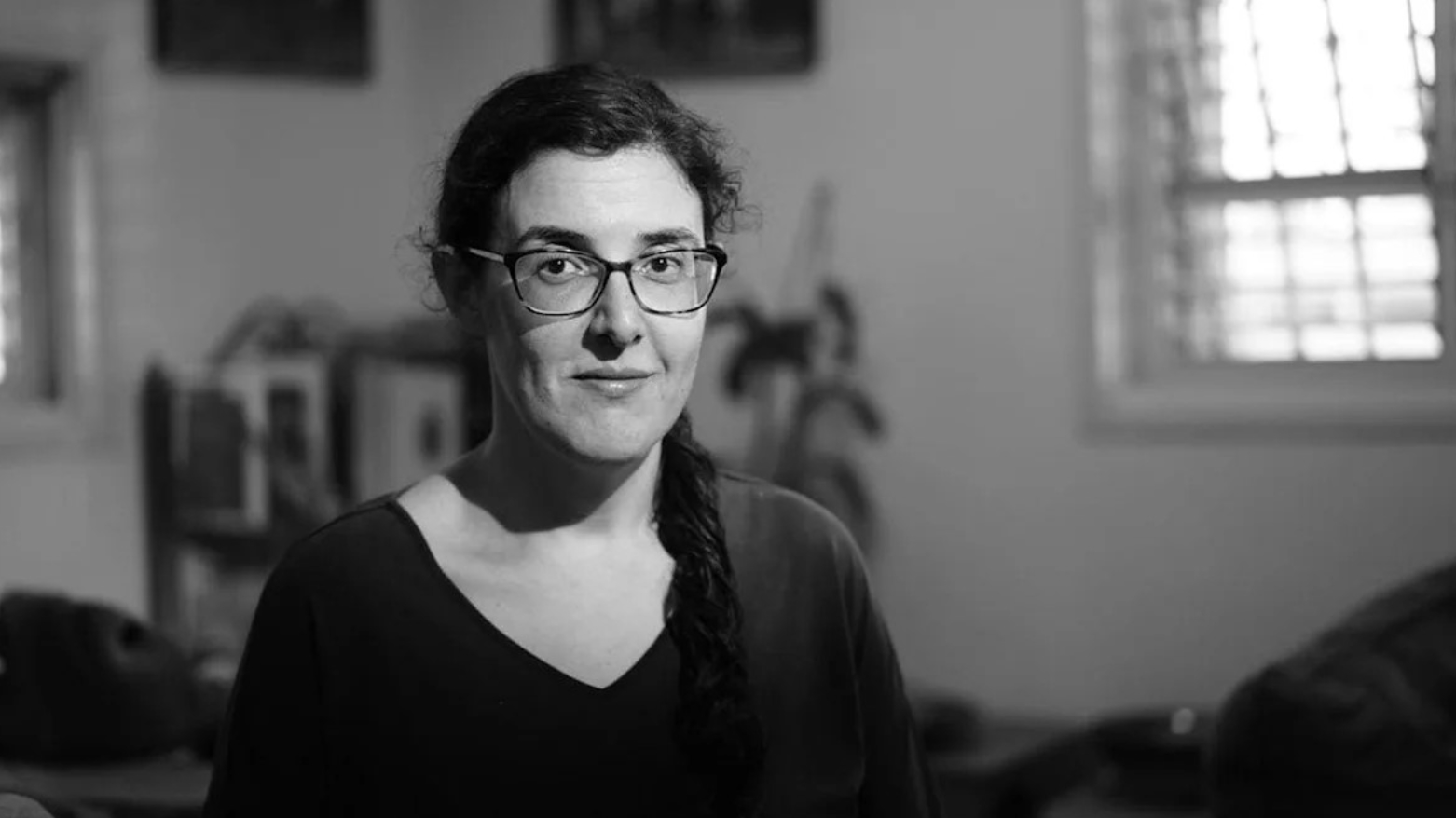
ERBIL (Kurdistan24) — Israeli-Russian researcher Elizabeth Tsurkov, who spent 903 days in captivity after being abducted in Baghdad in March 2023, has revealed that she was initially held in a private home seized by Iran-backed Kata’ib Hezbollah in Jurf al-Sakhar, south of the Iraqi capital, calling on Iraqi authorities to investigate alleged secret prisons and other militia facilities as government forces move to reclaim the area.
In an interview with Fox News Digital, Tsurkov, a senior nonresident fellow at the New Lines Institute for Strategy and Policy, said she spent the first four and a half months of her captivity inside a family home that the militia had converted into a prison.
"This is where I was held for 4.5 months," she said, urging Iraqi authorities to search the wider area for secret detention facilities, mass burial sites and weapons storage locations, while restoring confiscated properties to their rightful owners.
Tsurkov was released in September 2025 following negotiations and sustained pressure from the Trump administration.
Her revelations come as Iraqi Prime Minister Ali al-Zaidi has ordered security forces into Jurf al-Sakhar, also known as Jurf al-Nasr, a strategic area that has remained under the control of Kata’ib Hezbollah since 2014. Baghdad has reportedly given the group a deadline to withdraw.
The government move follows a Reuters investigation alleging that the militia stole hundreds of millions of dollars' worth of state-owned oil through smuggling operations since 2021.
Baghdad has dismissed nine security and administrative officials and referred suspects to the judiciary, while the militia has denied wrongdoing.
Tsurkov said the issue extends beyond oil smuggling, describing Jurf al-Sakhar as effectively inaccessible to the Iraqi government since Iran-backed militias helped drive Islamic State (ISIS) militants from the area in 2014 but prevented its predominantly Sunni population from returning.
She estimated that between 120,000 and 180,000 people had been displaced from the district and surrounding communities, arguing that allowing residents to return would represent a restoration of state sovereignty.
However, analysts have questioned whether Baghdad is prepared to confront the militia's broader military and political influence.
Michael Knights, head of research at Horizon Engage and an adjunct fellow at the Washington Institute for Near East Policy, warned that previous Iraqi governments had announced similar crackdowns without fundamentally weakening armed groups.
He cited the 2020 arrest of Kata’ib Hezbollah members under former Prime Minister Mustafa al-Kadhimi, most of whom were subsequently released following pressure from militia supporters.
Knights also warned that the principal challenge facing Iraqi security forces was not their military capabilities but the threat of retaliation against officials and their families.
Tsurkov, drawing on her experience in captivity and years of research into Iraqi armed groups, said Kata’ib Hezbollah includes both ideologically committed members loyal to Iran and a larger number of recruits motivated primarily by salaries, employment and influence.
She suggested that integrating some fighters into Iraq's regular armed forces under independent commanders could help weaken the group's existing structures without triggering a broader confrontation.
Despite the proposed operation, questions remain over Iran's influence within Iraq's security and political institutions. Knights argued that pressure on one faction of Kata’ib Hezbollah would not necessarily dismantle the group's wider networks, financial resources or relationship with Tehran.
Jurf al-Sakhar has remained a major symbol of the challenges facing successive Iraqi governments in restoring federal authority over territories controlled by powerful armed factions.
Whether the latest operation results in the return of displaced families and the dismantling of militia infrastructure will be a significant test of Baghdad's ability to assert state sovereignty.