Kurdistan Region to Set Residential Service Fees This Week
Kurdistan Region officials will set residential project service-fee limits this week, with all developments required to collect payments in Iraqi dinars.
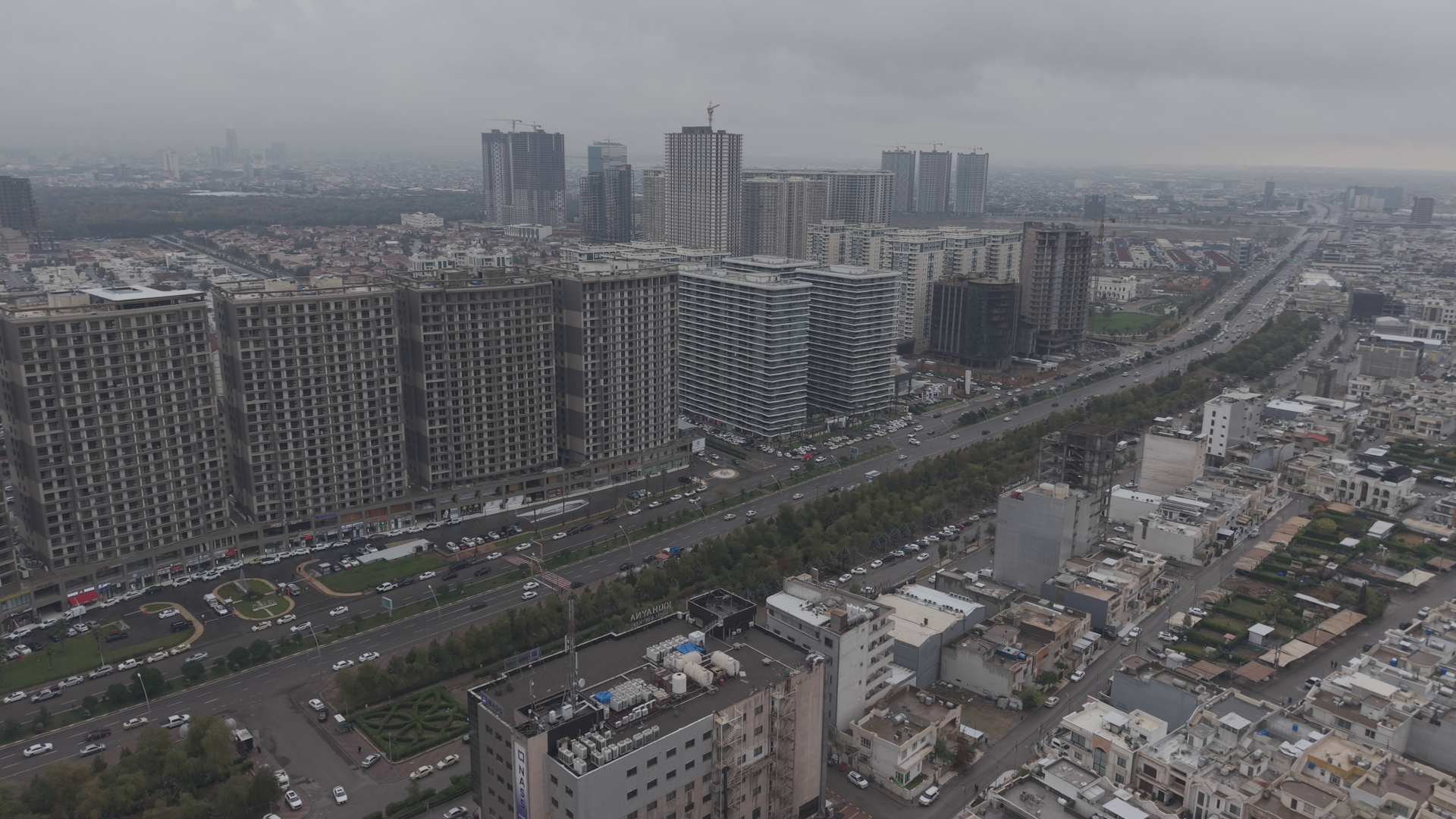
ERBIL (Kurdistan24) - Residential projects licensed by the Kurdistan Region Investment Board must collect service fees in Iraqi dinars rather than US dollars, as officials prepare to establish minimum and maximum charges for housing developments across the Kurdistan Region this week.
The decision follows complaints from residents about both the cost and quality of services provided by residential projects, according to Investment Board spokesperson Bargesht Akreyi, who told Kurdistan24 on Sunday that a committee had been established to review charges and monitor compliance.
"We have now officially announced that all investment projects in the residential sector must collect their service fees in dinars, not dollars," Akreyi said.
The currency requirement applies to all residential investment projects and housing units licensed by the board throughout the Kurdistan Region. Projects that disregard the directive could face legal measures, the spokesperson said.
New Fees
While the rule on currency has been announced, the specific service-fee rates have not yet been finalized. The Investment Board is expected to meet this week to determine the amounts that residential projects can charge.
Officials have divided housing developments into two classifications, described as "high-cost" and "low-cost" projects. The forthcoming decision will establish minimum and maximum service fees for each category, providing a framework for assessing the charges imposed on residents.
Akreyi said the fees would not necessarily be identical across developments. The location of a project and the nature of the services it provides will influence the amount residents pay. Officials also intend to take account of citizens' general living conditions when setting the rates.
The distinction means the board is seeking to regulate charges across different types of developments rather than impose one uniform fee on every residential project. The exact monetary ranges, however, remain to be announced following this week's meeting.
Complaints
Akreyi said the decision followed a series of earlier meetings focused on complaints from people living in residential projects. Residents had raised concerns about the standard of services they received and the amounts they were being required to pay for them.
In response, the Investment Board formed a follow-up committee involving governorates, municipalities and other relevant authorities. Its responsibilities include examining residents' complaints, addressing problems with services and reviewing the charges collected by housing developments.
The involvement of local administrations is intended to support the review across the region, where projects differ in location and services. The board's classification system will form the basis for the upcoming decisions on service-fee limits.
The review addresses two separate concerns raised by residents: how much residential developments charge and whether the services provided justify those charges. Akreyi did not announce the specific rates or identify individual projects facing complaints.
Monitoring and Enforcement
The board has also set up a telephone number through which residents can submit complaints. Akreyi said general investment directorates in city centers and independent administrations have monitoring and follow-up committees responsible for identifying violations and acting against noncompliant projects.
Those committees are tasked with preventing breaches of the rules and penalizing developments that fail to comply, including projects that continue demanding service fees in US dollars despite the dinar requirement.
The measures will cover residential investment projects licensed by the Investment Board throughout the Kurdistan Region, rather than being limited to a particular city or housing development.
For residents, the next step will be the announcement of the minimum and maximum rates for the two categories. Until those figures are issued, the board's confirmed directive is that residential service fees must be collected in Iraqi dinars, with monitoring mechanisms in place to address violations.