Houthis Claim Attacks on Riyadh Financial District and Saudi Oil Refinery
Claims follow Saudi-led coalition strikes on Yemen’s Hodeidah port and Houthi threats to target the kingdom’s Red Sea ports
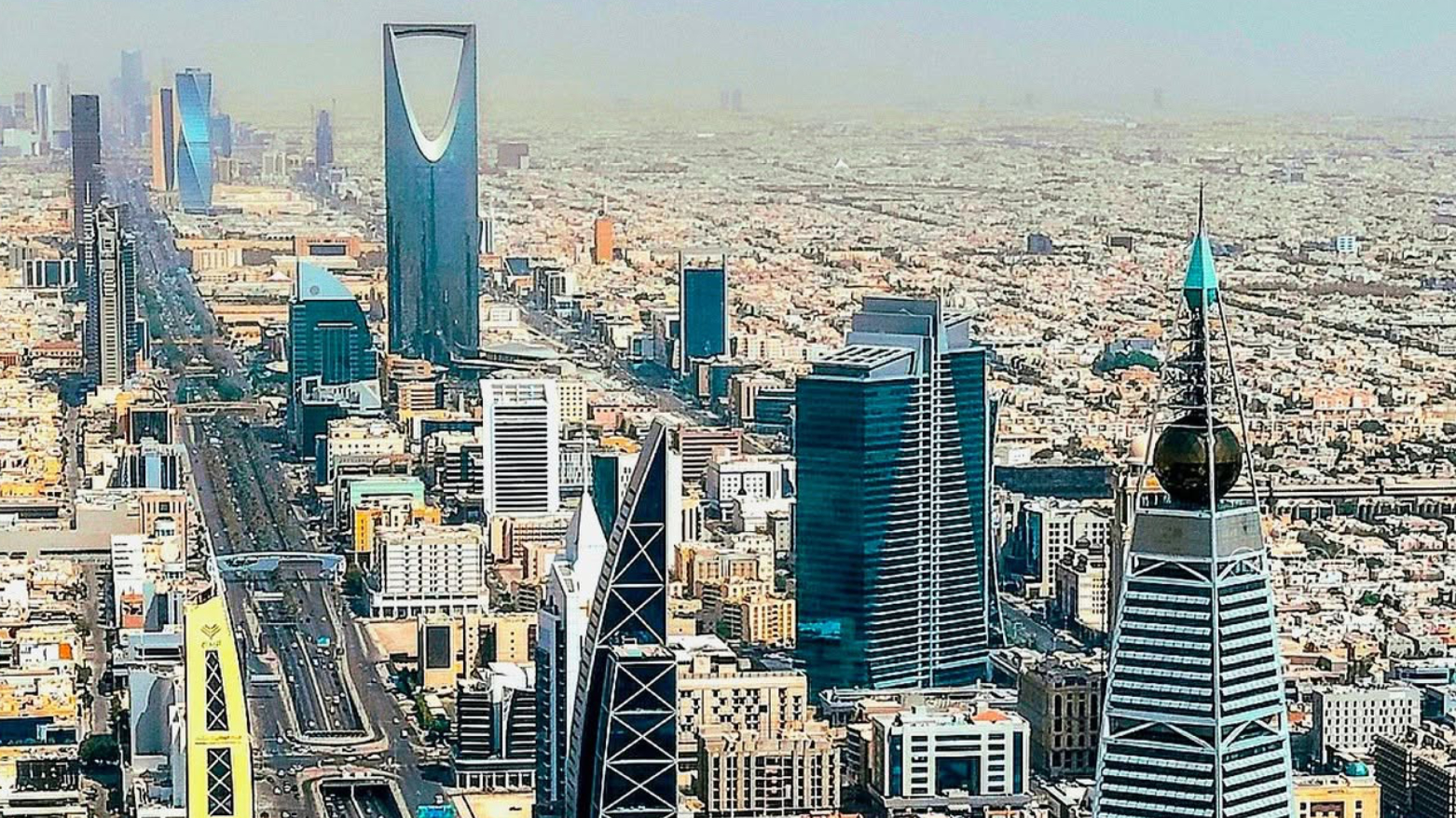
ERBIL (Kurdistan24) — Yemen’s Iran-backed Houthi movement on Wednesday claimed attacks on Riyadh’s financial district and the Ras Tanura oil refinery in eastern Saudi Arabia, escalating a confrontation with the Saudi-led coalition following its strikes on Houthi-held areas in Yemen.
Houthi military spokesperson Yahya Saree described the attack on Ras Tanura as “accurate and direct,” claiming it caused fires at the facility. He said the operation targeting Riyadh’s financial district was conducted in three phases, with the strikes hitting their intended targets.
The claims could not be independently verified.
Earlier on Wednesday, the Saudi-led coalition said its air defenses had intercepted and destroyed four drones over Ras Tanura in the Eastern Province. Saudi authorities have not confirmed damage to the refinery.
Ras Tanura is Saudi Arabia’s largest oil refinery and forms part of a major Gulf coast complex that also serves as a key crude export terminal.
The latest claims came after the coalition announced that it had struck what it described as operational capabilities at the Houthi-controlled port of Hodeidah on Yemen’s Red Sea coast. The coalition also said it had destroyed several targets in the governorates of Saada and Amran.
The strikes followed a warning from Saree that Saudi ports along the Red Sea, including Jeddah, would become targets if the coalition attacked Hodeidah. He urged workers and civilians near Saudi ports to evacuate and called on shipping companies to withdraw their vessels.
Hodeidah is a major entry point for food, commercial goods, and humanitarian supplies into Houthi-controlled northern Yemen, making it a critical lifeline for millions of people in a country heavily dependent on imports.
The escalation also follows a strike on Tuesday against a tower in Riyadh’s King Abdullah Financial District, which Saudi authorities said wounded 11 people. The building was struck for the second time in less than a week, after an earlier attack on Nov. 19 caused damage but no reported injuries.
Three witnesses cited by Reuters identified the building as the 80-storey Public Investment Fund Tower, which houses Saudi Arabia’s sovereign wealth fund.
Saudi civil defense said people of several nationalities were among those injured. The Saudi-led coalition blamed the Houthis for the attack and described it as a terrorist strike.
The incident drew condemnation from several countries. Qatar and Pakistan strongly denounced the attack, while India said two of its citizens were among the wounded and warned that such strikes endangered civilian lives, violated Saudi Arabia’s sovereignty, and undermined regional stability.
U.S. Secretary of State Marco Rubio also condemned what the State Department described as Iran-backed Houthi attacks on Saudi civilian and energy infrastructure during a call with Saudi Foreign Minister Prince Faisal bin Farhan.
The latest exchange underscores the growing threat to critical infrastructure and maritime routes as fighting between the Houthis and the Saudi-led coalition intensifies.
The Houthis control large parts of Yemen, including the capital Sanaa and Hodeidah, while the renewed confrontation has increasingly involved attacks on Saudi energy facilities, airports, and ports.
The conflict between the Houthis and Yemen’s internationally recognized government escalated in 2014, when the group seized Sanaa. Saudi Arabia led a military coalition that intervened in 2015 in support of the government.
Renewed fighting in recent months has raised concerns that the confrontation could further destabilize the Red Sea region and threaten vital trade and humanitarian supply routes.