Khalilzad Warns of Baghdad-Erbil Escalation, Urges Constitutional Solution to Disputes
Khalilzad calls for a constitutional roadmap to resolve Baghdad-Erbil disputes, saying Washington can help broker an agreement
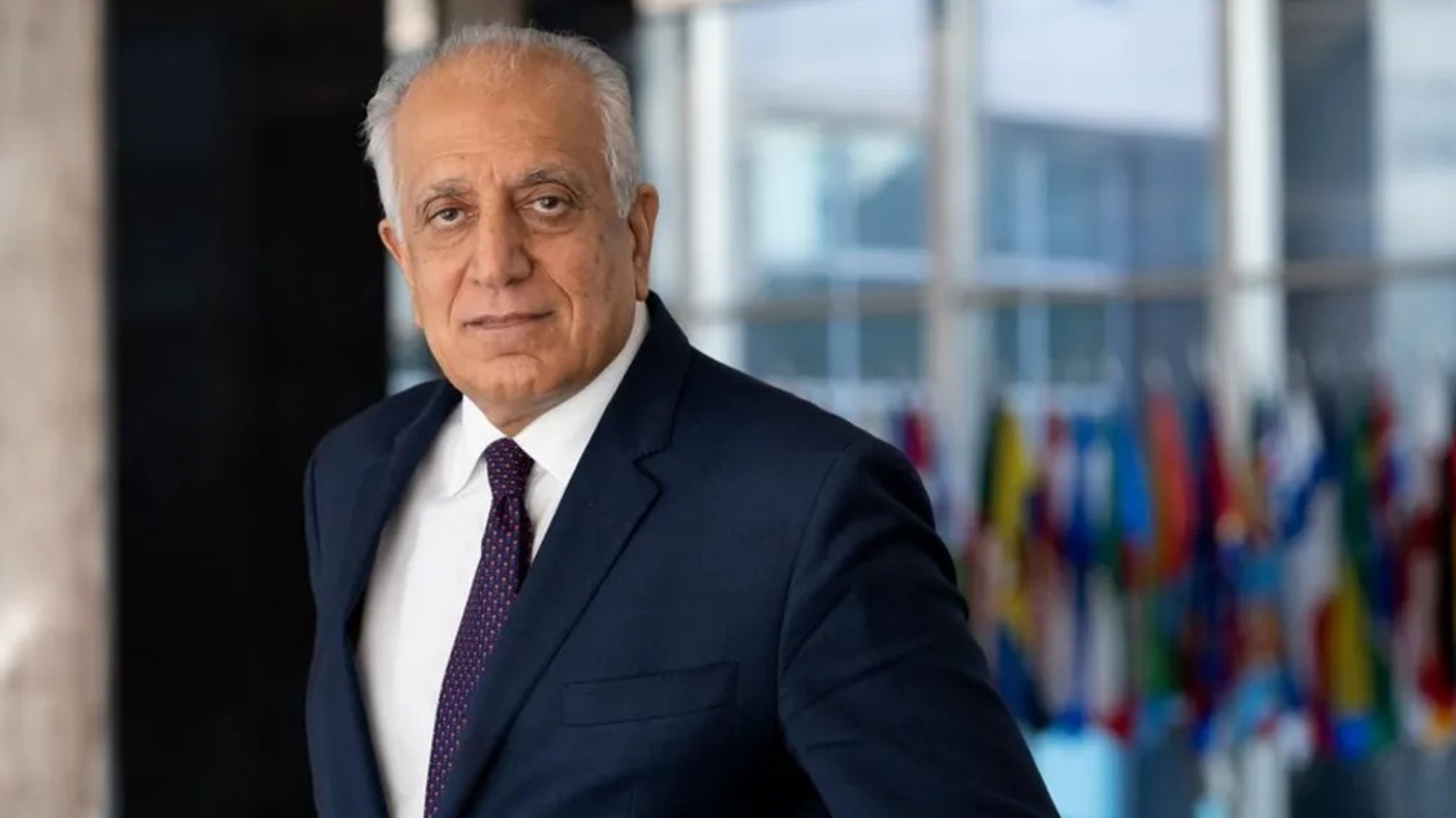
ERBIL (Kurdistan24) — Zalmay Khalilzad, former US ambassador to Iraq and Afghanistan, warned on Thursday that escalating tensions between Baghdad and the Kurdistan Region could threaten regional stability, stressing that Iraq’s Constitution provides the appropriate framework for resolving disputes and protecting the Region’s constitutional competencies.
In a post on X, in which he tagged Kurdistan24English, Khalilzad said relations between Iraq’s federal government and the Kurdistan Region had entered a crisis following Prime Minister Ali al-Zaidi’s directive to place Kurdish-controlled border crossings and oilfields in disputed territories under federal authority.
He noted that Iraq’s Supreme Court had quickly backed the directive, while the Kurdistan Regional Government (KRG) rejected it as federal overreach and questioned the court’s legitimacy.
Khalilzad warned that the escalating standoff could lead to instability and confrontation between Baghdad and Erbil, an outcome he said would threaten the interests of Iraq, including the Kurdistan Region, as well as the broader region and the United States.
Of particular significance, the former US ambassador emphasized that Iraq’s Constitution distinguishes between the exclusive powers of the federal government, shared responsibilities, and the competencies of regional authorities.
He argued that this constitutional division should serve as the foundation for resolving the disputes, rather than unilateral measures that could further deepen tensions between the two governments.
"An agreement between Baghdad and Erbil is needed on a roadmap for implementation of shared responsibilities," Khalilzad wrote, adding that the United States, which helped with the drafting of Iraq’s Constitution, could assist the two sides in reaching such an agreement.
He also called on both Baghdad and Erbil to avoid escalation, warning against the risks of violence and instability.
Khalilzad’s remarks come amid renewed tensions over the distribution of federal and regional powers, control of border crossings, natural resources, and the constitutional relationship between Iraq’s federal government and the Kurdistan Region.
His emphasis on the Constitution’s recognition of regional competencies and shared responsibilities reinforces the importance of respecting the Kurdistan Region’s constitutional status and resolving outstanding disputes through mutual agreement rather than unilateral decisions.
The relationship between the federal government in Baghdad and the Kurdistan Region has long been shaped by disputes over the implementation of Iraq’s 2005 Constitution, particularly regarding the distribution of powers, management of natural resources, border crossings, disputed territories, and the Region’s financial entitlements.
The Constitution recognizes the Kurdistan Region as a federal entity with its own legislative, executive, and judicial authorities, while establishing a framework for cooperation and shared responsibilities between the federal and regional governments.
The Kurdistan Region has consistently called for the full implementation of these constitutional provisions and respect for its federal status.