Ammar al-Hakim Backs Constitutional Dialogue to End Baghdad-Erbil Crisis
Ammar al-Hakim backs Dec. 1 talks over Baghdad-Erbil disputes, urging constitutional solutions, national partnership and protection of Iraq's unity.
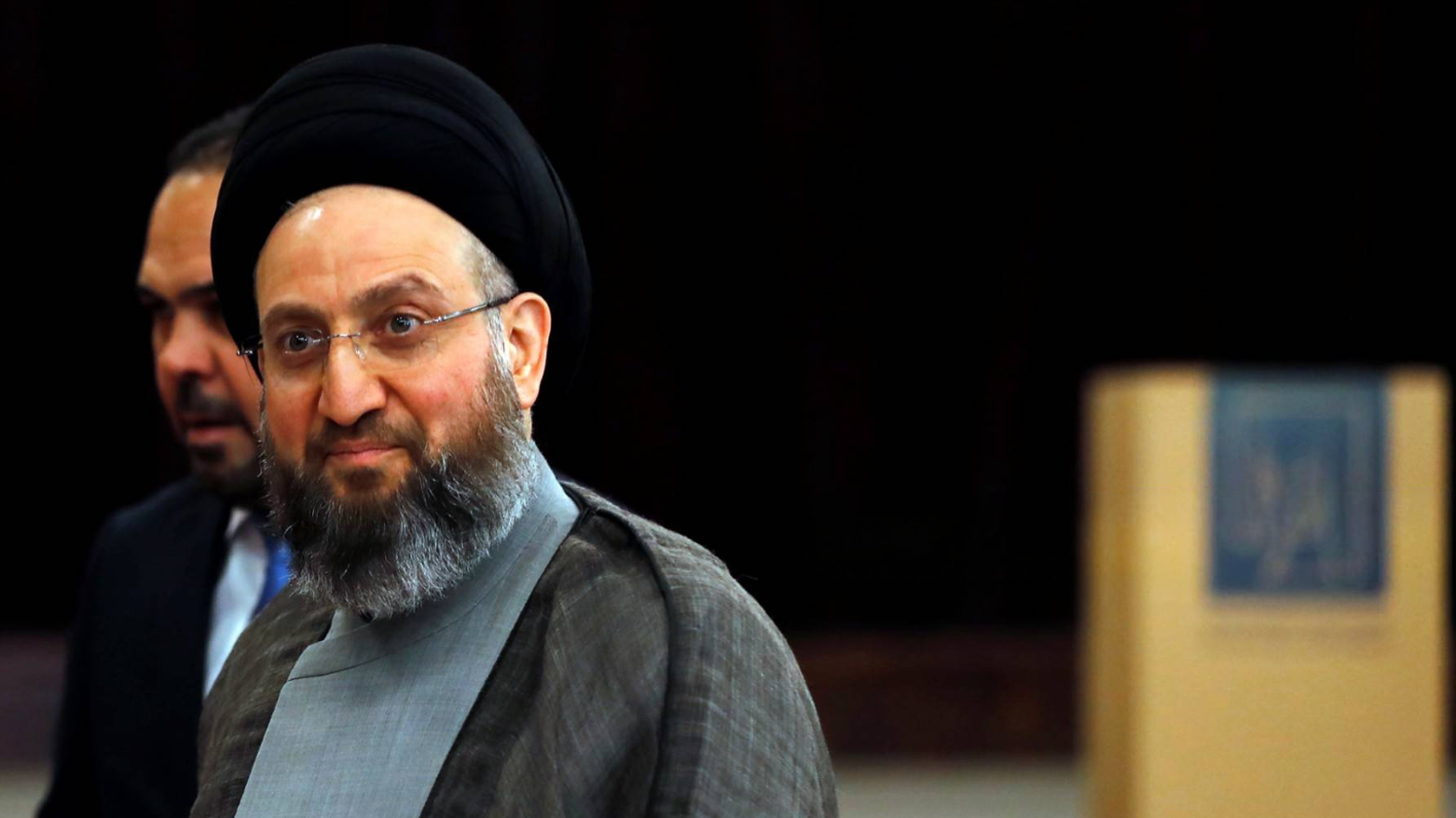
ERBIL (Kurdistan24) - Ammar al-Hakim, leader of Iraq's National Wisdom Movement, has backed a proposed national dialogue between Baghdad and Erbil, insisting that the country's Constitution must guide efforts to resolve their disputes while safeguarding the rights of people in the Kurdistan Region and across Iraq.
In a statement on Thursday, Nov. 26, 2026, al-Hakim welcomed an initiative by Supreme Judicial Council President Faiq Zidan to bring the federal government and the Kurdistan Regional Government (KRG) together over their outstanding disagreements.
He described dialogue, adherence to the Constitution and the national interest as the fundamental means of settling disputes while preserving Iraq's unity and protecting the rights of all its citizens, from the Kurdistan Region to southern Iraq.
Al-Hakim also emphasized understanding, consensus and national partnership as essential to maintaining stability. His position comes as the two governments contest the scope of federal authority and the constitutional powers of the Kurdistan Region.
'The Dialogue'
The disagreements intensified after federal directives issued on Tuesday concerning control over border crossings and oilfields in the Kurdistan Region, as well as the authorization of oil exports through the federal Ministry of Oil.
Baghdad's position has been reinforced by a Federal Supreme Court ruling concerning federal authority over border security, customs and oil operations.
The KRG, however, has rejected the recent measures and the court's interpretation, arguing that they infringe on the Region's constitutional standing and risk weakening the federal system established after 2003.
For Erbil, the issue extends beyond administrative control over specific facilities.
Regional leaders have framed it as a question of whether Iraq's constitutional division of powers, and the rights attached to the Kurdistan Region's status as a federal entity, will be respected in practice.
On Thursday, Kurdistan Region Prime Minister Masrour Barzani told foreign diplomats and United Nations representatives that the Region would not relinquish its constitutional rights.
He called for the Constitution to be implemented in full, rather than selectively, and reiterated his government's readiness to negotiate.
He also pointed to the long-delayed implementation of Article 140, which addresses the status of disputed territories, including Kirkuk.
Separately, KRG spokesperson Peshawa Hawramani argued that Article 121 recognizes the Peshmerga as the Region's defense force and that military movements in the Region must respect that constitutional responsibility.
Dec. 1
Al-Hakim's endorsement follows the Nov. 25 meeting of Iraq's four presidencies, which approved Zidan's proposal for a national dialogue under his supervision on Dec. 1. The initiative is intended to assemble senior state officials and relevant political representatives to seek solutions within Iraq's legal and constitutional framework.
Kurdistan Region Prime Minister Masrour Barzani said on Thursday that both the Kurdistan Democratic Party (KDP) and the Patriotic Union of Kurdistan (PUK) were prepared to participate in the proposed talks.
He also urged Kurdish political forces to maintain a united position on the Region's constitutional rights.
The political impasse has prompted public demonstrations. Tens of thousands gathered near Erbil's historic Citadel on Thursday, carrying Kurdistan flags and calling for protection of the Region's federal status.
Their concerns have included political powers, resources and the effect of government disputes on ordinary citizens.
Al-Hakim did not set out a detailed settlement or identify specific constitutional provisions.
His appeal instead brought together two concerns at the heart of the dispute: preserving Iraq's unity and ensuring that citizens' rights are protected across the country.
By stressing consensus and partnership alongside constitutional procedures, he presented political understanding as necessary for lasting stability.
Al-Hakim's intervention adds another Iraqi political voice in favor of dialogue, with the central question remaining whether Baghdad and Erbil can translate their shared references to the Constitution into arrangements that preserve federal authority while protecting the Kurdistan Region's recognized rights.