US Statement Risks Baghdad-Erbil Talks, Ex-Official Warns
Former State Department official Victoria J. Taylor warns a US presidential statement could undermine Baghdad-Erbil talks ahead of a Dec. 1 meeting in Iraq.
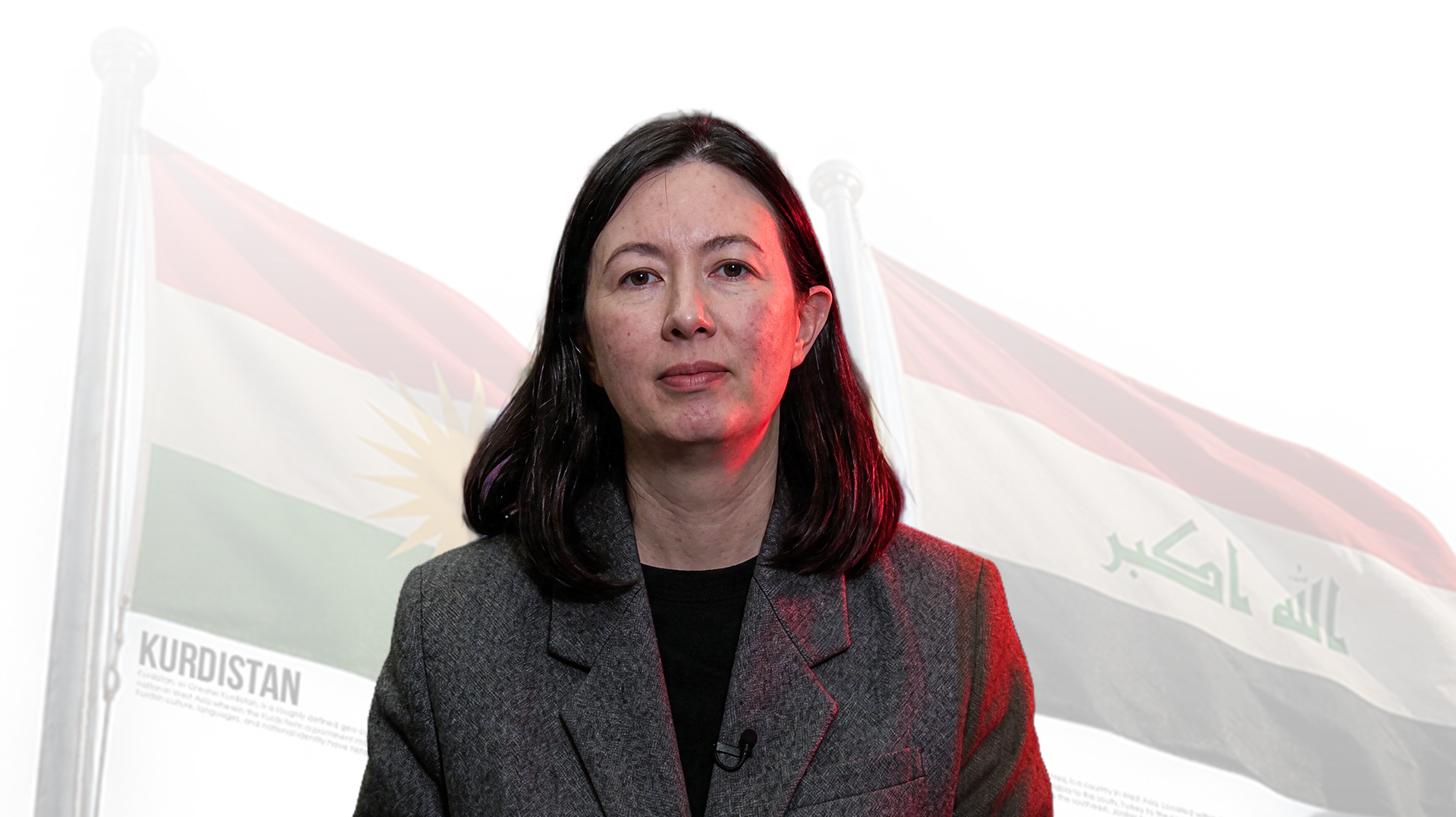
ERBIL (Kurdistan24) - A statement by the US president has landed in the middle of the Baghdad-Erbil dispute, and a former senior American diplomat on Iraq says it could not have come at a worse moment.
Victoria J. Taylor, the former Deputy Assistant Secretary for Iraq/Iran at the State Department, said in a post on X that the statement was "like dropping a grenade" into the dispute between the Federal Government of Iraq and the Kurdistan Region. In her view, it came only days before a scheduled Dec. 1 meeting between key Iraqi and Kurdish leaders.
Taylor said the president did not call for non-violence, negotiations and adherence to Iraq's constitution.
Instead, she wrote, the statement "weighs in very definitively" in favor of Prime Minister Ali al-Zaidi and Chief Justice Faiq Zidan. She said it appears to signal US government support for greater centralization of authority in Baghdad.
She added that if this is not the US government's actual position, the statement was poorly timed. Taylor argued that siding so heavily with the Iraqi PM undermines any real effort to reach agreement on these longstanding and complicated issues.
She said it also undermines Washington's standing as a trusted broker. "This should not be what the US government position is," she wrote.
Taylor set out what she believes Washington should be doing: urging adherence to the Iraqi constitution, pressing for negotiations over the areas of disagreement rather than the use of security forces, and reminding all sides of its support for a strong and resilient Kurdistan within Iraq.
She said this position has longstanding bipartisan support in Washington, DC, and that she sees no reason for the US government to deviate from it.
Taylor acknowledged what she described as a temptation within the US government to favor centralization, since dealing with one leader at a time would be easier.
But she said it is not possible to deal with just one leader, even in Baghdad and even among the Shia. "The Coordination Framework itself is now even more than 12 leaders," she noted.
Taylor also addressed the issue of oil, saying the statement at this time is not about oil smuggling. She cautioned against conflating oil sales from the Kurdistan Region with oil sales by Kata'ib Hizballah in Jurf al-Sahr. One, she said, is a constitutionally protected semi-autonomous region with its own government. The other, in her words, is a designated terrorist group.
She said Baghdad has legitimate questions about how much oil is being sold and where the revenue is going.
Those questions, she argued, must be resolved through negotiation with the Kurdistan Regional Government (KRG).
Taylor added that she believes other real smuggling efforts in southern Iraq should be a higher priority. She said these are directly linked to what she called the US government's top priority issue: militia disarmament.
With the Dec. 1 meeting approaching, Taylor's message is that disputes between Baghdad and Erbil should be settled at the negotiating table, within the framework of Iraq's constitution, and not through security forces.