Anbar Residents Recall Kurdistan Region’s Support for Displaced Families, Reject Baghdad’s Measures
They also praised the Kurdistan Region for its humanitarian support for displaced people from Anbar, particularly during the difficult years of displacement, describing it as a safe haven that welcomed people regardless of their ethnic or religious backgrounds.
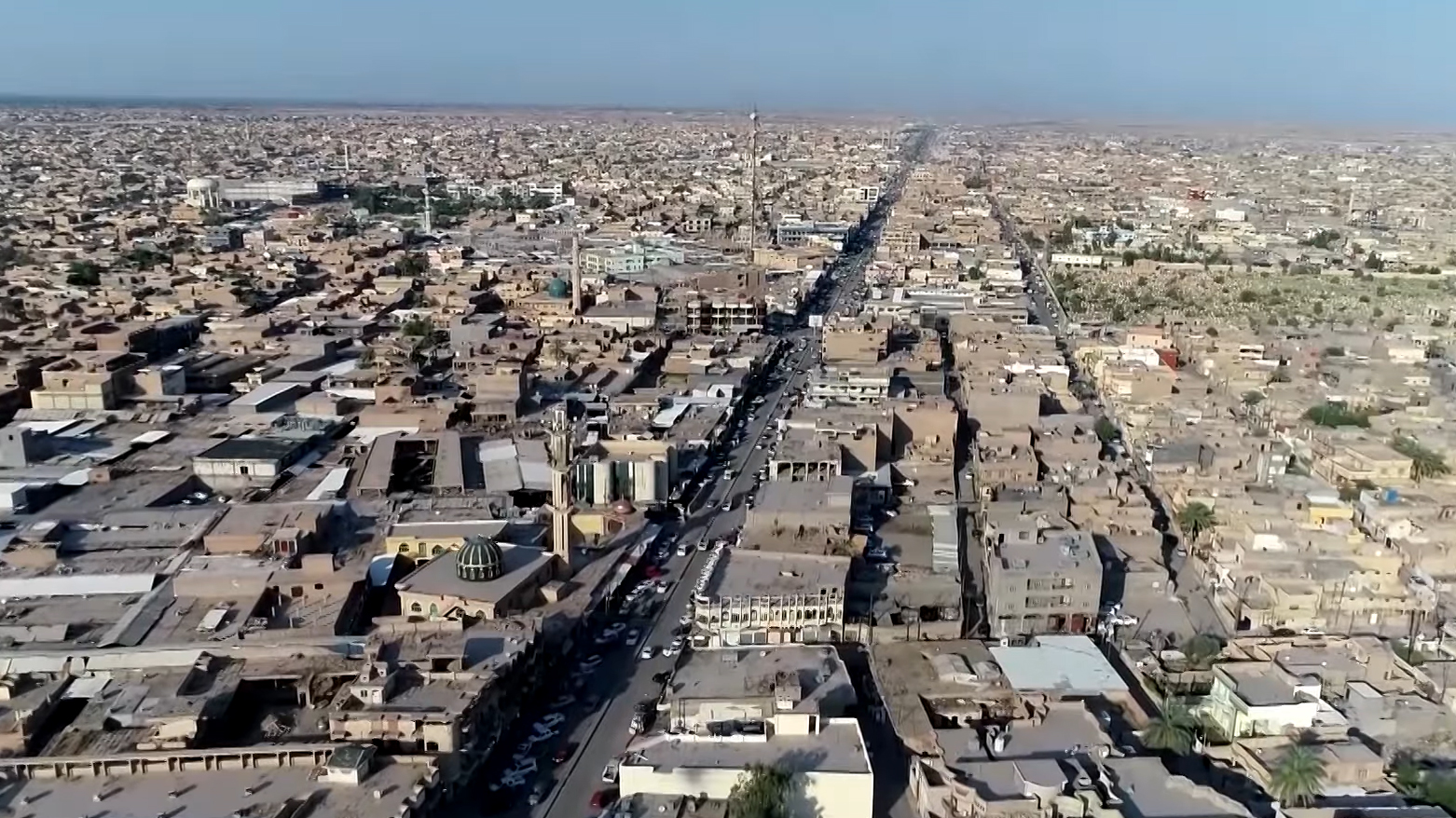
ERBIL (Kurdistan24) – Residents, political observers, and civil activists in Iraq’s Anbar province have criticized the federal government’s recent measures against the Kurdistan Region, calling for disputes between Baghdad and Erbil to be resolved through diplomacy and dialogue.
They also praised the Kurdistan Region for its humanitarian support for displaced people from Anbar, particularly during the difficult years of displacement, describing it as a safe haven that welcomed people regardless of their ethnic or religious backgrounds.
Several Anbar residents and political observers stressed that the Kurdistan Region is an integral part of Iraq and plays a significant role in the country’s economic and tourism sectors. They argued that it should not be targeted over allegations of oil smuggling or political disagreements.
Ayman Hayani, a political affairs observer, told Kurdistan24 that diplomatic solutions should be pursued between the Kurdistan Regional Government (KRG) and the federal government to address their differences.
Basim Mohammed, a political affairs researcher, also emphasized the importance of dialogue, rejecting the use of force as a means of resolving disputes.
"We believe dialogue is the best solution, and we reject the use of force. The experiences of previous regimes have demonstrated that resorting to force brings no benefits. Negotiations are the only way to resolve all outstanding issues," he said.
Meanwhile, civil activists and prominent figures in Anbar recalled the Kurdistan Region’s humanitarian response during the displacement crisis, particularly in 2014, when thousands of people fled violence and sought refuge in the Region.
Mustafa Shaabani, a civil activist, said the Kurdistan Region had opened its doors to displaced people from Anbar during their most difficult circumstances.
"The Kurdistan Region is Iraq's lung and has always been a safe haven for us during times of displacement. If there have been violations involving oil fields, the relevant authorities should conduct investigations rather than attack Kurdistan. Targeting the Kurdistan Region is an attack on national unity," he said.
Jasim Dilemi, a prominent figure from Ramadi, also recalled the Region’s assistance to displaced Anbar residents in 2014, highlighting the solidarity shown by its people.
"When we came under attack in 2014, we sought refuge in the Kurdistan Region. They welcomed us warmly and never failed to support us. That is why, in our eyes, there is no difference between Kurds and Arabs," he said.
The participants emphasized that relations between Iraq’s different communities should not be affected by political disagreements, stressing that the Kurdistan Region remains an inseparable part of Iraq.
They called on Baghdad and Erbil to prioritize dialogue, mutual understanding, and partnership to resolve outstanding issues, warning against measures that could undermine relations among the country's communities.