Kurdistan National Alliance Official: 'An Attack on Erbil Is an Attack on Us'
Kurdistan National Alliance (HEVBENDÎ) official Fuat Önen says attacks on the Kurdistan Region affect Kurds elsewhere and announces a Amed press conference amid Baghdad tensions.
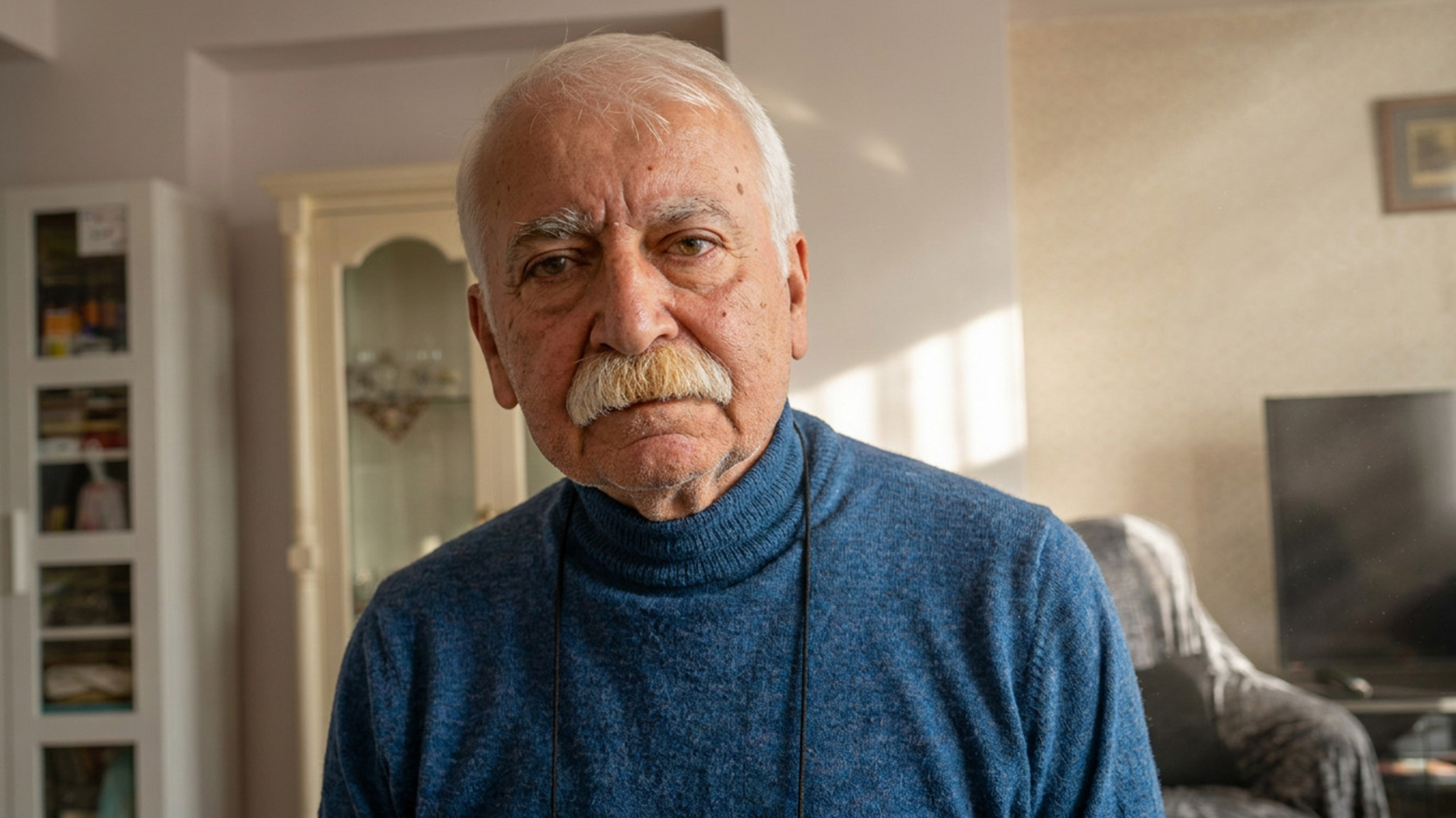
ERBIL (Kurdistan24) - Fuat Önen, a council member of the Kurdistan National Alliance (HEVBENDÎ), said Saturday that his movement regards any attack on the Kurdistan Region as an attack on Kurds elsewhere, pledging solidarity with the Region amid its dispute with the Iraqi federal government and announcing a public gathering in Amed (Diyarbakir), Northern Kurdistan (southeastern Türkiye).
Speaking on Kurdistan24's news bulletin on Nov. 28, Önen criticized recent decisions by Iraq's prime minister concerning the Kurdistan Region, arguing that Baghdad was seeking to weaken its federal status. He said HEVBENDÎ would outline its position at a press conference scheduled for 3:30 p.m. at Sheikh Said Square in Amed.
"Whenever Baghdad gets back on its feet, it seeks to dismantle the federal status of the Kurdistan Region," he said. "We regard an attack on Erbil as an attack on ourselves."
For Önen, solidarity was rooted in a shared Kurdish identity extending across national borders. He linked Erbil to Amed, Sine, Kermanshah and Qamishlo, saying that each held equal significance for the communities he sought to represent.
"Whatever Amed means to us, Erbil means the same," he said, declaring that "Kurdistan is one homeland."
Önen argued that developments in Iraq should be viewed within a wider regional struggle over Kurdish political rights. He advocated coordination among Kurdish movements in what he called the four parts of Kurdistan and described eventual political sovereignty as a central objective.
He accused the governments of the four states across which Kurdish-populated areas extend of opposing such aspirations. Those were his political characterizations, rather than independently established conclusions about the intentions of the governments concerned.
Önen also claimed that 45 percent of Southern Kurdistan's territory was controlled by the Iraqi Army and the Popular Mobilization Forces (PMF). He presented that figure as part of his criticism of Baghdad's policies, without identifying a source for the estimate.
His comments followed decisions by Iraq's prime minister concerning the Kurdistan Region. Önen described those measures as an attempt to reverse Kurdish political gains and said HEVBENDÎ would oppose them.
Önen also rejected the idea that Kurds had historically sought to dominate other peoples. He said their political demands arose from ties to ancestral land and that public solidarity did not always depend on party organization. In moments of crisis, he argued, people often gathered spontaneously to show support.
To explain why he expected Kurdish communities to respond, Önen pointed to three occasions when, he said, support had crossed political borders.
The first was the passage of Peshmerga forces toward Kobani in 2014. Önen recalled large crowds gathering along roads in Northern Kurdistan to welcome them as they traveled to the Syrian Kurdish city.
He then cited the Kurdistan Region's independence referendum in 2017, saying Kurds in different parts of Kurdistan and in diaspora communities publicly backed the vote.
His third example concerned demonstrations in January 2026 in support of Western Kurdistan, or Kurdish areas in northeastern Syria. Önen said protesters across Kurdish communities had declared their opposition to attacks there.
He argued that these episodes demonstrated a willingness to mobilize around developments affecting Kurds beyond any one state, and said historical experience helped explain the emotional response to Baghdad's recent decisions.
HEVBENDÎ has invited members of the public to attend Saturday's press conference in Sheikh Said Square, where Önen said the alliance would make its opposition to Baghdad's actions explicit.
He also voiced readiness to fight alongside Kurdish "brothers and sisters" in Southern Kurdistan if called upon by a Kurdish national government and parliament. The remarks were a conditional statement of intent, not an announcement of a deployment or an ongoing armed confrontation.
Önen referred to President Masoud Barzani's 2017 remarks about Kurdish fighters from different parts of Kurdistan sharing the same trenches.
"Today, we too are ready to shed our blood alongside our brothers and sisters in Southern Kurdistan in the same trench," he said.
He closed by invoking a slogan emphasizing a common Kurdish homeland, reiterating that HEVBENDÎ sees developments affecting the Kurdistan Region as a concern for Kurdish communities across the region.