Iraqi National Security Adviser Arrives in Tehran Amid Border Dispute With Iran
The visit comes amid US pressure on Baghdad to restrict cross-border activity with Iran and Tehran’s warnings against aligning with Washington’s policies
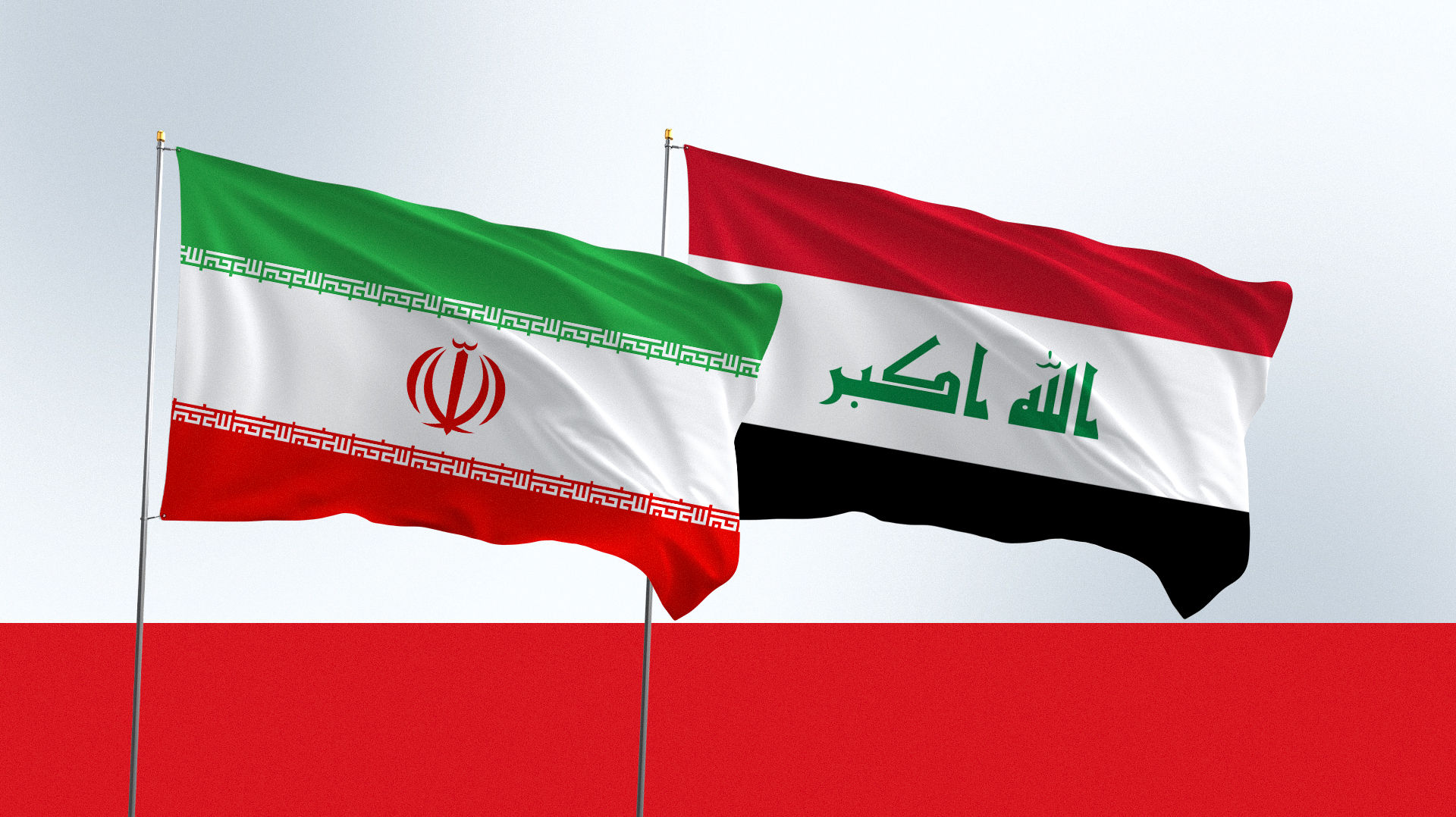
ERBIL (Kurdistan24) — Iraq’s National Security Adviser Qasim al-Aboudi arrived in Tehran on Saturday, representing Prime Minister Ali Faleh al-Zaidi, for meetings with senior Iranian officials amid growing tensions over Baghdad’s recent security measures along its border with Iran.
The visit comes as the Iraqi government has introduced several security measures, including the closure of its international land border crossings with Iran, leaving only two crossings operational. The decision has reportedly prompted objections from Tehran.
In response, Mohammad Mokhber, an adviser to Iran’s Supreme Leader Mojtaba Khamenei, urged the Iraqi government to exercise caution over border-related decisions, warning Baghdad against becoming an instrument for implementing the policies of US President Donald Trump.
In a post on X, Mokhber emphasized the importance of neighboring countries’ shared interests, writing that “the unity of destiny with neighboring countries is a fundamental principle of foreign policy.”
He also highlighted Iran’s support for Iraq during difficult periods, saying Tehran had stood firmly alongside the Iraqi people under the most challenging circumstances and demonstrated its friendship toward the country.
Mokhber said relations between the two countries required Baghdad to exercise caution in handling border issues, warning against allowing Iraq to become a tool in the hands of its adversaries or respond to Trump's policies.
The visit takes place against the backdrop of heightened diplomatic sensitivities between Baghdad and Tehran over border arrangements and the broader regional political and security environment.
The latest developments follow a series of changes to Iraq’s border policy toward Iran. In October, Baghdad moved to close most of its land crossings with Iran, leaving only two operational, a decision that prompted objections from Tehran, particularly after the closure of the al-Sheeb crossing without prior notification.
In November, Iraq reopened the al-Sheeb crossing while announcing plans to close the Mandali crossing, amid reports that Washington had urged Baghdad to restrict cross-border access with Iran.
The measures have highlighted the growing diplomatic sensitivities surrounding Iraq’s relations with both neighboring Iran and the United States.