Netanyahu Offers Eisenkot First Turn as Prime Minister in Proposed Rotation Deal
The offer comes as Israel’s October election left parliament deadlocked, with neither Netanyahu’s Likud-led bloc nor Eisenkot’s alliance securing the 61 seats needed to form a government
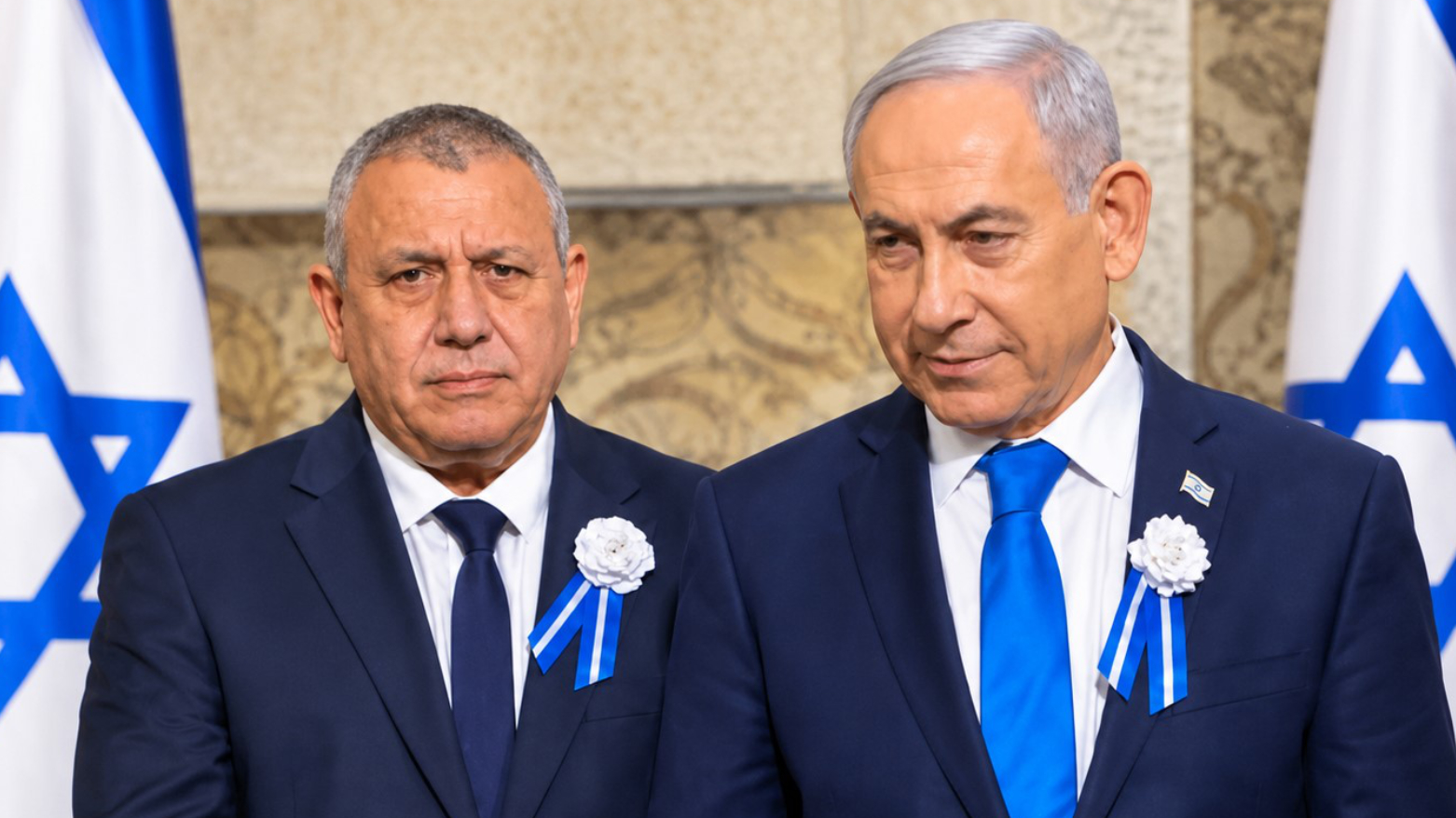
ERBIL (Kurdistan24) — Israeli caretaker Prime Minister Benjamin Netanyahu on Saturday offered his main political rival, Gadi Eisenkot, the opportunity to serve as prime minister first under a proposed power-sharing agreement, in a bid to form a national unity government following last month's inconclusive parliamentary elections.
In a social media post, Netanyahu said he was prepared to set aside his political ambitions and allow Eisenkot, leader of the centrist Yashar party, to take the premiership at the beginning of a rotating government, with Netanyahu serving as alternate prime minister.
“My responsibility as a leader requires me to set everything aside ... and agree that Gadi Eisenkot will serve first as prime minister, while I will serve as alternate prime minister at the beginning of the term,” Netanyahu said.
The proposal marks a significant shift in Netanyahu’s position as Eisenkot advances efforts to assemble a governing coalition without the Likud leader. It also comes amid mounting pressure to break the political deadlock and establish a government capable of commanding a majority in the Knesset, Israel’s 120-seat parliament.
Election Results Leave Israel Without a Clear Majority
The October 27 election failed to produce a clear parliamentary majority, leaving the country facing difficult coalition negotiations.
Netanyahu’s Likud party emerged as the largest single party, winning 27 of the Knesset’s 120 seats. However, his right-wing and religious allies secured a combined 53 seats, falling short of the 61 required to form a governing majority.
Eisenkot’s Yashar-led bloc secured 48 seats, while Arab-led parties won a record 19 seats, potentially giving them a decisive role in determining the next government.
Following consultations with political parties, Israeli President Isaac Herzog tasked Eisenkot with forming a government on Nov. 8 after 67 lawmakers recommended him for the assignment, compared with 46 who backed Netanyahu. Seven lawmakers did not recommend either candidate.
Eisenkot has faced difficulties assembling a coalition, as his potential partners remain divided over whether to cooperate with Netanyahu's Likud or seek support from other political factions.
The proposed rotation arrangement could provide a way out of the deadlock, although it remains uncertain whether Eisenkot and his political allies would accept an agreement that brings Netanyahu back into the government.
Under Israeli law, Eisenkot initially has 28 days to form a government, with the possibility of a 14-day extension granted by the president.