Rezaei Warns Foreigners Over Iraq Economic Ties
Mohsen Rezaei tells Qassem al-Aboudi an independent Iraq could be a pillar of a new regional security architecture, days after Baghdad moved to take control of border crossings and oilfields
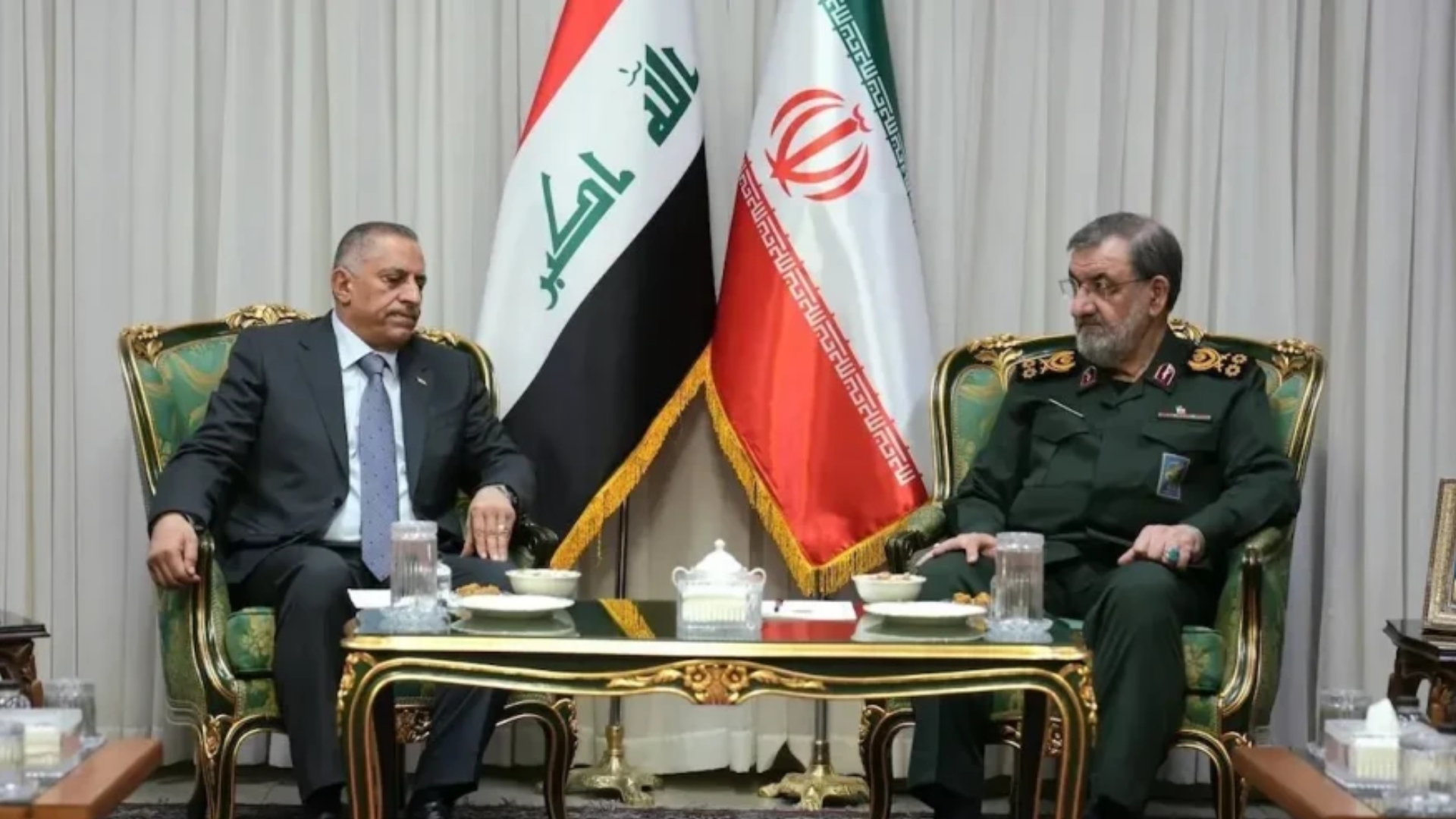
ERBIL (Kurdistan 24) - Mohsen Rezaei, Secretary of Iran's Supreme National Security Council, warned "foreigners" against interfering in Iran-Iraq economic ties on Saturday in a meeting in Tehran with Iraq's national security adviser, Qassem al-Aboudi, according to Iranian state media.
Rezaei, a major general, said foreigners must not be allowed to negatively affect economic cooperation between Iran and Iraq, and that "an independent, powerful, and advanced Iraq can be one of the pillars of a new regional security architecture."
He stressed the need for full implementation of the security agreement between the two countries and for ensuring security along their shared borders.
Aboudi reaffirmed Iraq's commitment to implementing the bilateral security agreement and said Baghdad would not allow its territory or airspace to be used against Iran or other neighboring countries, according to Iranian reports.
Iraq's ambassador to Iran said the Iraqi security delegation had arrived to discuss strategic issues including smuggling and border control.
The statements did not name any country as the "foreigners" or describe any specific interference.
The meeting came after US President Donald Trump said on Friday that Washington supports Prime Minister Ali al-Zaidi's efforts to assert state authority, stop oil smuggling and bring all weapons under state control, and after Zaidi ordered federal authorities on Tuesday to take control of border crossings in the Kurdistan Region and of oilfields secured by Kurdish forces.
Iraqi Foreign Minister Fuad Hussein said earlier this month that the US Treasury asked Iraq to close all border crossings with Iran except two, as part of Washington's policy of increasing economic pressure on Tehran, according to Mezha.
Washington accuses Iran of using Iraq to evade sanctions, and the US military has imposed a blockade on Iranian ports over Iran's restrictions on shipping through the Strait of Hormuz.
Iran and Iraq share a border of more than 1,400 kilometers with at least eight official crossings, and Iranian exports, including gas and electricity, to Iraq exceed $10 billion annually, according to a report carried by Indian media.