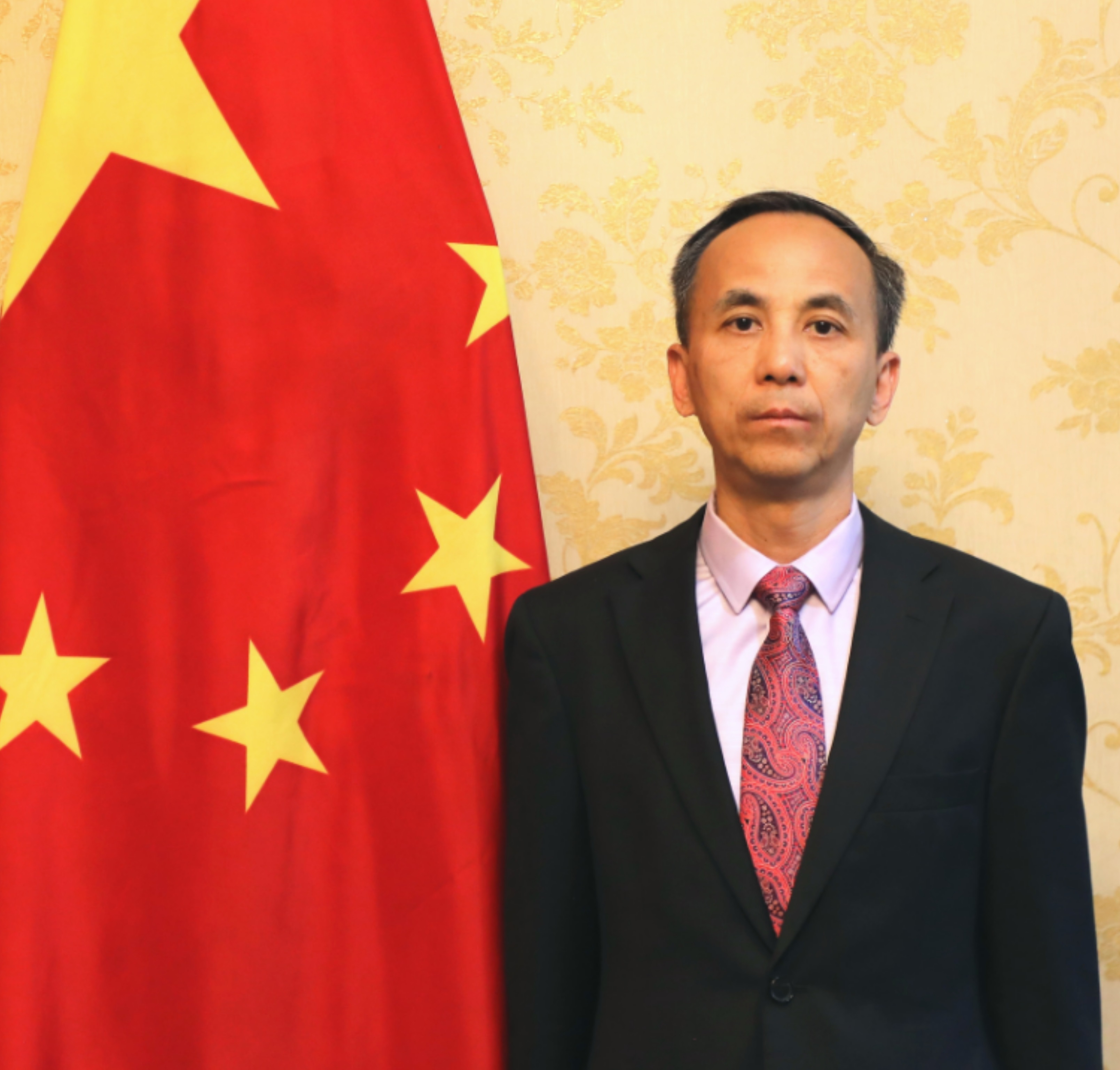
Liu Jun
Author
The One-China Principle Is Indisputable, and China’s Reunification Is Irreversible
Second, U.S. arms sales to Taiwan severely damage the political and strategic foundation of Sino-U.S. relations. Such actions are irresponsible, dangerous, and deeply misguided.
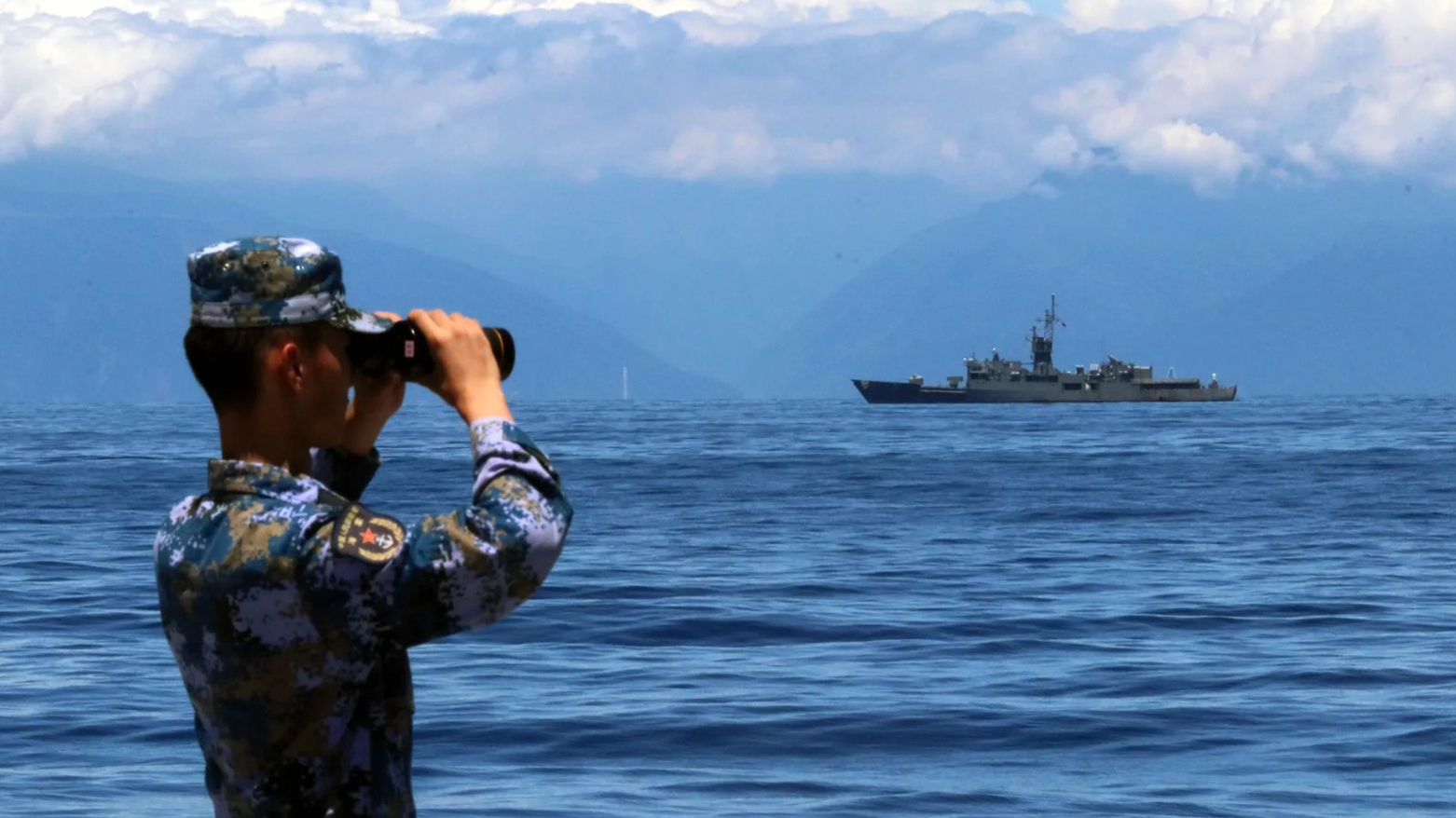
The recent announcement by the United States of a large-scale arms sale to Taiwan, totaling over $11 billion, constitutes a severe provocation that blatantly violates the One-China principle. This move undermines China’s sovereignty, security, and territorial integrity, threatens peace and stability across the Taiwan Strait, and has sparked resolute opposition from the Chinese people. Noting the attention this issue has drawn among friends in the Kurdistan Region of Iraq, I wish to share the following perspectives.
First, the resolve and capability of the Chinese government and people to safeguard national sovereignty and territorial integrity are unwavering. Taiwan has been an inalienable part of China since ancient times—a fact grounded in history, law, and international consensus. The Taiwan question lies at the core of China’s interests. Any attempt to challenge this principle or embolden separatist forces will be met with decisive countermeasures.
In response to the U.S. arms sale, China has lawfully imposed sanctions on 20 American defense entities and 10 senior executives involved. Moreover, the People’s Liberation Army launched the “Justice Mission 2025” joint military drills around Taiwan Island, demonstrating China’s firm determination and capability to defend its sovereignty. These actions serve as a clear warning to separatist forces and external interveners: any plot to hinder China’s reunification is doomed to fail.
Second, U.S. arms sales to Taiwan severely damage the political and strategic foundation of Sino-U.S. relations. Such actions are irresponsible, dangerous, and deeply misguided. China’ recent display of advanced defense capabilities during its military parade underscores the strength and modernization of its armed forces. In the face of such deterrence, Taiwan’s attempts to seek independence through arms buildup or external support are nothing but an illusion.
The so-called “security commitment” offered by the United States is, in essence, a cynical ploy to use Taiwan as a pawn to contain China. By transforming Taiwan into a tinderbox, the U.S. prioritizes its geopolitical interests and arms dealers’ profits over the well-being of 23 million people on the island. Such reckless conduct amounts to playing with fire—and those who play with fire will eventually get burned.
Third, national reunification represents the common aspiration of all Chinese people and aligns with the prevailing trend of the international community. The One-China principle has become a universally recognized norm governing international relations.
More people in Taiwan are awakening to the harms caused by the Democratic Progressive Party (DPP), which puts partisan interests above public welfare. The recent “Impeachment of Lai Ching-te” campaign, which gathered over 8 million signatures, and the legislature’s vote to impeach him reflect growing popular discontent with the DPP’s provocative stance.
Globally, the vast majority of countries and international organizations firmly support the Chinese government’s position. They recognize that upholding the One-China principle is essential for maintaining regional peace and stability.
Finally, it is crucial to clarify that the Taiwan issue is fundamentally distinct from the Kurdish issue. Some individuals, driven by ulterior motives, have sought to draw false parallels between the two. Such analogies are misleading and dangerous.
Taiwan has always been part of China, and the question is purely China’s internal affair, stemming from historical circumstances of a civil war after World War II. In contrast, the Kurdistan Region of Iraq operates within the framework of Iraqi constitutional federalism.
Conflating the two not only disregards history and law but also plays into the hands of DPP separatists who seek to exploit international sympathy. As the Kurdistan Region and China continue to strengthen cooperation and friendship, it is essential to avoid such misleading narratives and jointly uphold One China principle.